
Table of Contents(10 Powerful Ways the Internet of Things (IoT) )
Introduction: The Positive Power of IoT
The world we live in today is smarter, faster, and more connected than ever before. From the moment we wake up to the time we sleep, technology plays an invisible yet impactful role in our lives. One of the most influential innovations in this digital era is the Internet of Things (IoT).
IoT is not just about connecting devices to the internet; it’s about creating a seamless ecosystem where machines, humans, and systems interact intelligently. Imagine waking up to your alarm clock that automatically tells your coffee machine to brew coffee, your refrigerator notifying you about missing groceries, or your car suggesting the best route to work. This isn’t science fiction—it’s the positive power of IoT in action.
This blog explores the 10 most powerful ways IoT is shaping industries, homes, healthcare, businesses, and the global economy—with a deep dive into examples, benefits, challenges, and a humanized perspective that makes it easy for everyone to understand.
1. Internet of Things Simplified: What Exactly Is 10 Powerful Ways the Internet of Things (IoT)?
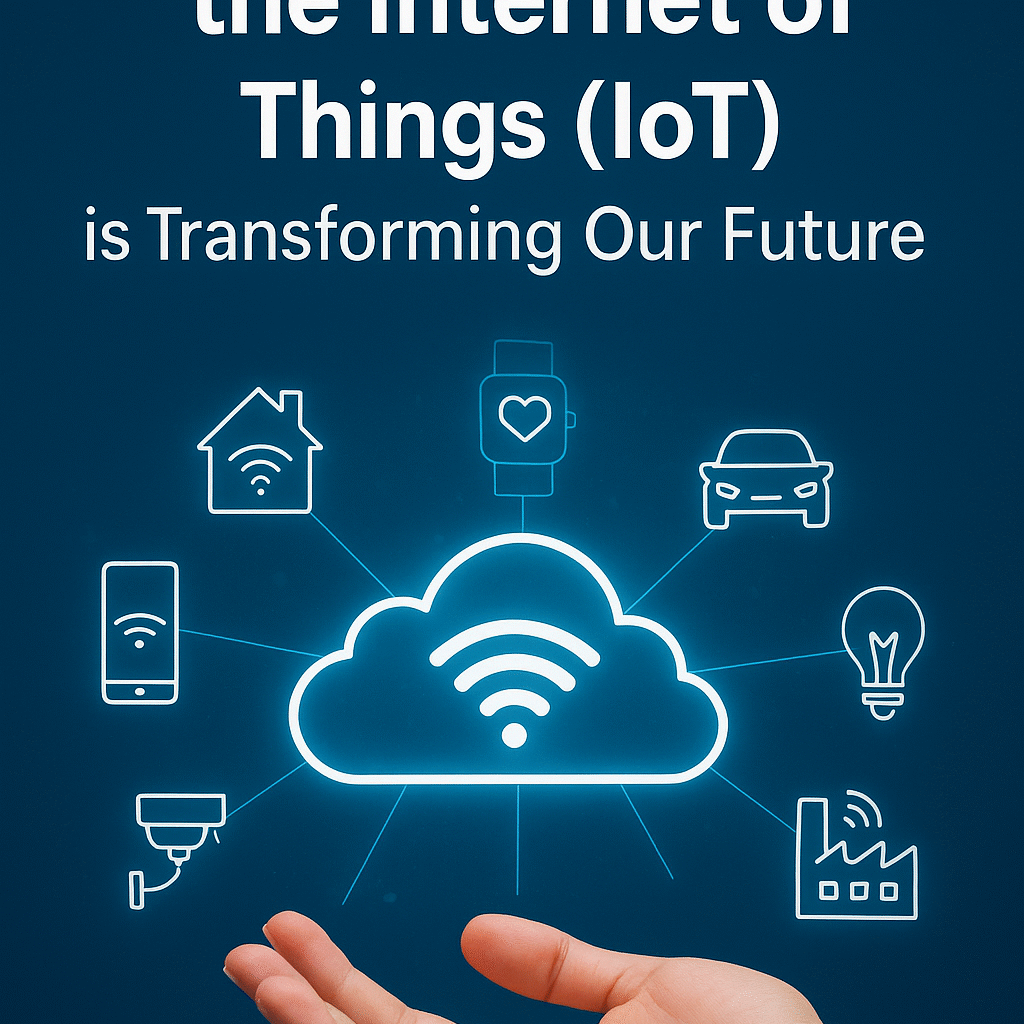
At its core, IoT (Internet of Things) refers to a network of interconnected devices that collect, share, and act on data through the internet. These devices can be as simple as a fitness band or as complex as smart factories.
Simple Definition:
IoT is “the system where everyday objects communicate with each other to make human life smarter, safer, and easier.”
Key Components of IoT
- Devices & Sensors – Smart devices like wearables, home appliances, vehicles, and industrial machines.
- Connectivity – Wi-Fi, Bluetooth, 5G, and satellite networks.
- Data Processing – Cloud computing and AI for decision-making.
- User Interface – Mobile apps, dashboards, or voice assistants like Alexa/Siri.
Humanized Example:
Think of IoT like a family dinner table—everyone communicates, shares information, and makes decisions together. Similarly, IoT allows devices to “talk” to each other and to us.
2. The Incredible Growth and Future of the Internet of Things (IoT)
IoT is one of the fastest-growing technologies in the world.
- In 2020, there were about 9 billion IoT devices.
- By 2030, experts predict over 25 billion IoT devices will be active worldwide.
- The global IoT market is expected to cross $1.5 trillion by 2027.
This rapid growth means IoT will not just be a technology but a way of life—influencing industries, economies, and our everyday choices.
Positive Power Word Insight: IoT is the engine of digital transformation.
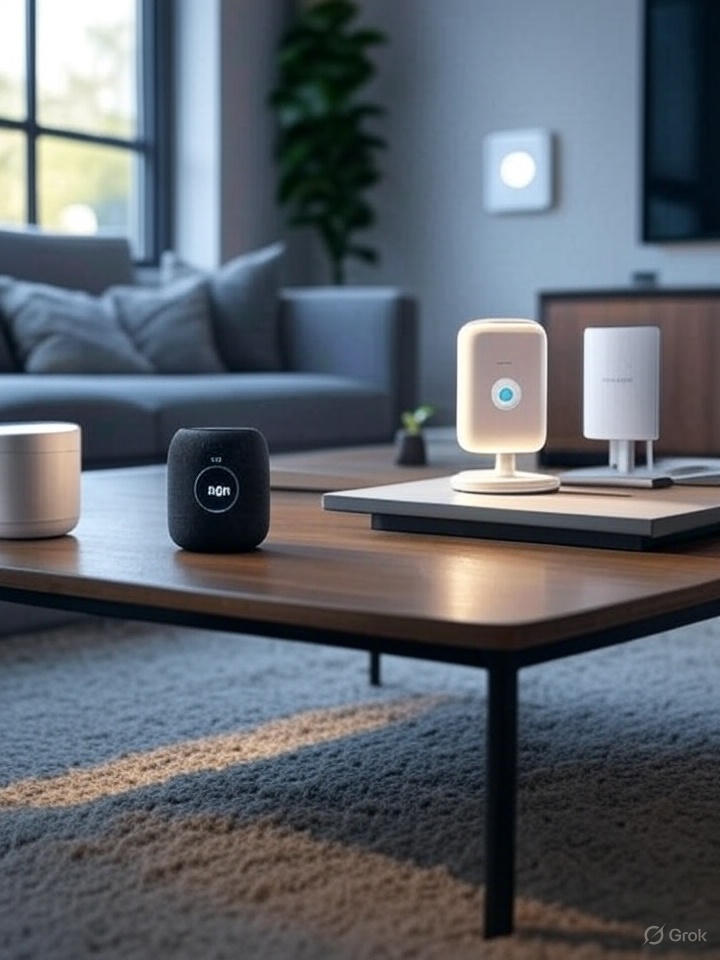
3. IoT at Home: Making Smart Living a Reality(10 Powerful Ways the Internet of Things (IoT))
One of the most visible impacts of IoT is in our homes. The idea of a “smart home” is no longer a luxury; it’s becoming a standard.
Examples of IoT in Homes:
- Smart Assistants – Alexa, Google Home, Siri.
- Smart Appliances – Refrigerators that order groceries, washing machines that optimize water usage.
- Smart Security – Cameras, door locks, motion sensors.
- Energy Efficiency – Smart thermostats reduce electricity bills.
Humanized Example:
Imagine leaving your home for work and being able to lock your doors, adjust the AC, and check security cameras—all from your phone. That’s IoT making your life safer and stress-free.
4. IoT in Healthcare: Saving Lives with Smart Technology
Perhaps the most inspiring impact of IoT is in healthcare.
Examples:
- Wearable Devices – Fitness trackers, heart monitors, glucose sensors.
- Remote Patient Monitoring – Doctors can track patients’ health from miles away.
- Smart Hospitals – AI-powered IoT devices manage patient records, medicine dispensing, and equipment.
Case Study:
During the COVID-19 pandemic, IoT-enabled remote monitoring devices allowed doctors to track patients’ oxygen levels and heart rate without physical contact. This saved countless lives.
Positive Impact: IoT doesn’t just connect devices—it connects hearts and saves lives.
5. IoT in Business: The Smart Corporate Revolution
Companies across industries are embracing IoT for efficiency, productivity, and profit.
Benefits for Businesses:
- Supply Chain Management – Real-time tracking of shipments.
- Predictive Maintenance – Machines alert when repairs are needed before breakdowns.
- Smart Offices – Energy-efficient lighting, connected meeting rooms.
- Customer Insights – IoT gathers behavioral data for better services.
Humanized Example:
Think of IoT as an invisible assistant in the workplace—optimizing resources, preventing losses, and boosting profits.
6. IoT in Transportation: Smarter Journeys, Safer Roads
IoT is revolutionizing transportation and logistics, making them faster, safer, and greener.(10 Powerful Ways the Internet of Things (IoT))
Applications:
- Smart Cars – Self-driving cars and vehicle-to-vehicle communication.
- Fleet Management – Tracking trucks and deliveries in real time.
- Traffic Control – IoT sensors reduce congestion in smart cities.
- Public Transport – Apps show real-time bus/train arrival times.
Humanized Example:
Ever got stuck in traffic? Imagine if your car could talk to traffic signals and suggest a faster, greener route. That’s IoT at work.
7. IoT in Agriculture: Feeding the World Smartly
Farmers around the world are using IoT to increase productivity and sustainability.
Smart Farming Examples:
- Soil Sensors – Detect moisture and nutrients.
- Drones – Monitor crops and spray fertilizers.
- Smart Irrigation – Reduces water usage.
- Livestock Monitoring – Tracks animal health and movement.
Humanized Example:
A farmer in India using IoT soil sensors can save water and improve crop yield, ensuring food security for the community.
8. IoT in Smart Cities: Building the Future of Urban Life
IoT is a cornerstone of smart cities, where technology and people work together for better living.
Smart City Applications:(10 Powerful Ways the Internet of Things (IoT))
- Smart Energy Grids – Reduces wastage.
- Smart Streetlights – Save electricity by adjusting brightness.
- Smart Waste Management – Sensors in bins optimize garbage collection.
- Smart Parking – Apps guide drivers to empty spots.
Positive Vision: A smart city powered by IoT isn’t just modern—it’s eco-friendly, people-friendly, and future-ready.
9. Challenges of IoT: The Flip Side of Smart Living
While IoT is powerful, it comes with challenges.
Main Issues:
- Data Security & Privacy – More devices mean higher risks of hacking.
- High Cost of Devices – Not everyone can afford IoT devices.
- Interoperability – Different brands and systems may not always connect smoothly.
- Over-Dependence on Technology – Too much automation may reduce human decision-making.
Balanced View: Challenges are real, but every problem comes with a solution. Stronger cybersecurity, affordable devices, and universal standards can overcome these issues.
10. The Future of IoT: A Connected, Positive Tomorrow
The future of IoT is bright, bold, and limitless.
Emerging Trends:
- IoT + Artificial Intelligence (AI): Smarter decision-making.
- IoT + 5G: Faster connections and real-time control.
- IoT + Blockchain: Better security and transparency.
- IoT in Space: Satellite-connected devices across the globe.
Vision for the Future:
Imagine a world where cities breathe cleaner air, patients live healthier lives, businesses thrive, and farmers grow more food—all because of IoT. That’s not just technology—it’s a promise of a better tomorrow.
Conclusion: Embracing the IoT Revolution with Positivity
The Internet of Things is not just about devices—it’s about people, progress, and possibilities. From homes to hospitals, fields to factories, cars to cities, IoT is reshaping the world.
Yes, challenges exist, but the positive power of IoT lies in its ability to bring convenience, safety, efficiency, and sustainability into our lives. The more we embrace it responsibly, the closer we get to a smarter, more connected future.
Your article helped me a lot, is there any more related content? Thanks!
Thanks for sharing. I read many of your blog posts, cool, your blog is very good.
I don’t think the title of your article matches the content lol. Just kidding, mainly because I had some doubts after reading the article.
Your point of view caught my eye and was very interesting. Thanks. I have a question for you.
Thank you for your sharing. I am worried that I lack creative ideas. It is your article that makes me full of hope. Thank you. But, I have a question, can you help me?
Your article helped me a lot, is there any more related content? Thanks! https://www.binance.com/register?ref=IXBIAFVY