

Table of Contents
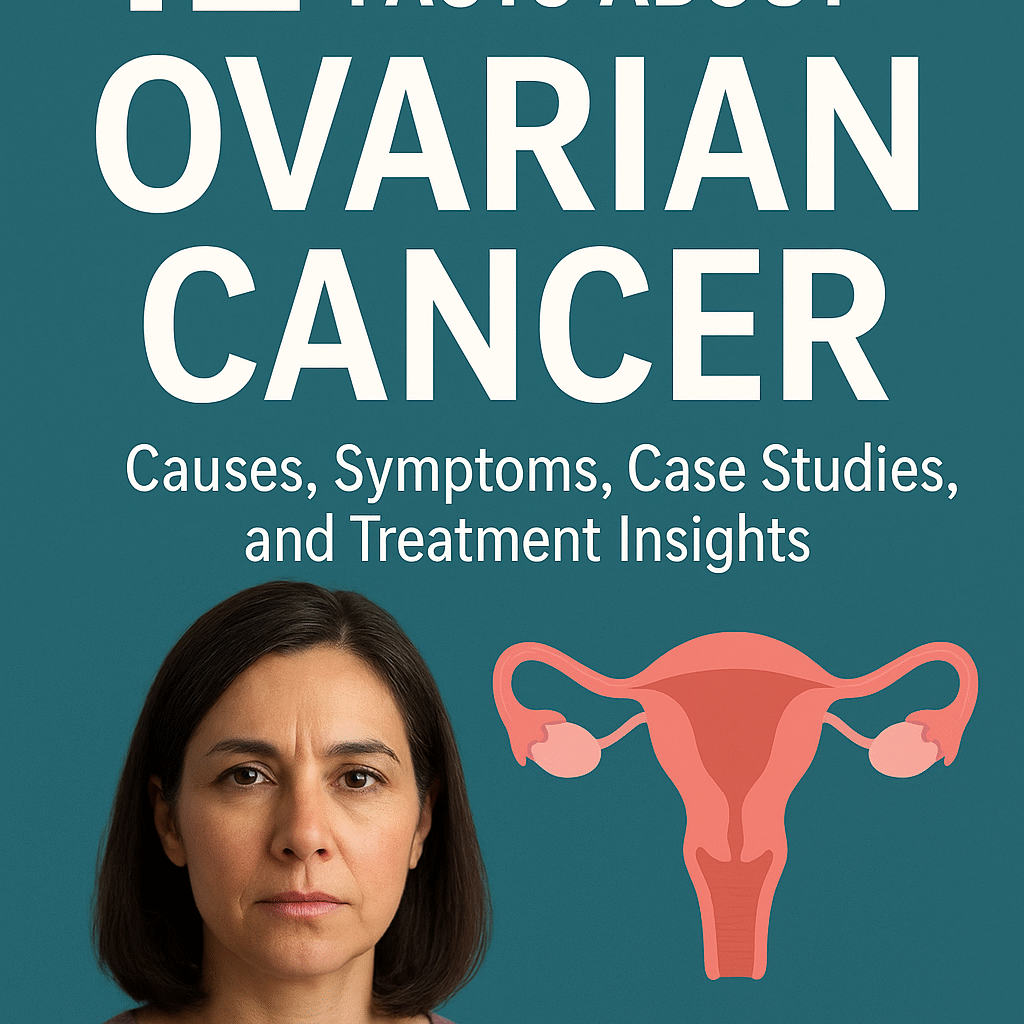
12 Must-Know Facts About Ovarian Cancer:Causes and Remedy.It is one of the most misunderstood yet deadliest gynecological cancers worldwide. Unlike breast cancer or cervical cancer, which have screening tests and more public awareness, ovarian cancer often remains hidden until it reaches an advanced stage. This is why it is called a “silent killer”.
But silence can be broken. With awareness, early medical attention, and lifestyle improvements, survival rates can increase significantly. In this blog, we’ll cover everything about ovarian cancer , along with real-life case studies that show both struggles and hope.
1. What Exactly is Ovarian Cancer?
Ovarian cancer begins in the ovaries, small organs that release eggs and produce essential hormones. When abnormal cells grow uncontrollably inside the ovaries, they form tumors, which may be benign (non-cancerous) or malignant (cancerous).
The danger comes when malignant tumors spread to other organs.
2. Types of Ovarian Cancer
Understanding the type is important because treatment and survival rates differ:
- Epithelial tumors (≈ 90% cases) – Start in the outer lining of the ovary.
- Germ cell tumors – Rare, but often curable; mostly found in teens and women in their 20s.
- Stromal tumors – Affect hormone-producing cells; usually detected earlier than other types.
3. Causes and Risk Factors
The exact cause is unknown, but genetics, lifestyle, and reproductive history play a role.
- Inherited genes (BRCA1 & BRCA2 mutations).
- Family history of breast, ovarian, or colorectal cancer.
- Age: Most common after 50.
- Endometriosis: Increases risk.
- Obesity, smoking, sedentary lifestyle.
- Hormonal imbalance: Early periods, late menopause, no pregnancies.
4. Case Study 1: The Missed Signals
Rita, 52 years old (India)
For months, Rita experienced bloating and frequent urination. She thought it was gastric issues. By the time she went to the doctor, she was diagnosed with Stage III epithelial ovarian cancer. She underwent surgery and chemotherapy, but because of late detection, the treatment was tougher.
👉 Lesson: Do not ignore persistent abdominal or urinary problems. If symptoms last over 2 weeks, consult a doctor.
5. Early Symptoms Often Ignored
Ovarian cancer symptoms mimic common stomach issues. The warning signs include:
- Persistent bloating/swelling in the stomach.
- Pelvic or lower back pain.
- Eating less but feeling full quickly.
- Frequent urination.
- Unexplained fatigue, constipation, or weight changes.
6. How Doctors Diagnose Ovarian Cancer
- Pelvic exam – Checks lumps or abnormalities.
- Ultrasound/CT Scan – Imaging of ovaries.
- CA-125 blood test – Measures protein often elevated in cancer.
- Biopsy – Final confirmation.
⚠️ Unlike breast cancer (mammogram) or cervical cancer (Pap smear), there is no standard screening test for ovarian cancer, making awareness even more critical.
7. Case Study 2: Hope Through Early Detection
Emily, 34 years old (UK)
Emily had a strong family history of cancer. She went for genetic testing and found out she carried the BRCA1 gene mutation. She opted for preventive surgery (removal of ovaries and fallopian tubes).
👉 Lesson: Genetic testing saves lives. Women with family cancer history should consult a doctor for risk evaluation.
8. Stages of Ovarian Cancer{12 Must-Know Facts About Ovarian Cancer:Causes and Remedy}
- Stage I: Cancer limited to one/both ovaries.
- Stage II: Spread to pelvis (uterus/fallopian tubes).
- Stage III: Spread to abdomen (lymph nodes, tissues).
- Stage IV: Spread to distant organs (lungs, liver).
➡️ Survival Rate: Early stage = 90% survival for 5 years. Late stage (III/IV) = less than 30%.
9. Treatment Options
Treatment depends on type, stage, and patient’s health.{12 Must-Know Facts About Ovarian Cancer:Causes and Remedy}
- Surgery: Removal of ovaries, uterus, and nearby tissues.
- Chemotherapy: Powerful drugs to kill cancer cells.
- Targeted therapy: Modern treatment focusing only on cancer cells (fewer side effects).
- Hormone therapy & Immunotherapy: Used in specific cases.
💡 Many women combine treatment with yoga, meditation, and nutrition therapy to reduce side effects and boost recovery.
10. Case Study 3: Survival Against Odds
Meena, 47 years old (Mumbai){12 Must-Know Facts About Ovarian Cancer:Causes and Remedy}
Meena was diagnosed with Stage IV ovarian cancer. Doctors suggested aggressive surgery and chemotherapy. The journey was painful—hair loss, weakness, and depression—but she found strength in her family. Today, she is a 5-year survivor, actively spreading awareness about ovarian cancer.
👉 Lesson: Cancer is not the end. With medical support, mental strength, and family care, survival is possible even in advanced stages.
11. Living with Ovarian Cancer
Cancer is not just physical—it’s emotional, social, and financial.
- Emotional impact: Fear, anxiety, depression.
- Family stress: Caregiving challenges.
- Fertility issues: Many women lose the ability to conceive.
- Financial burden: High treatment cost.
👉 Support groups, counseling, and holistic healing are equally important along with medical treatment.
12. Prevention and Lifestyle Tips
You can’t always prevent 12 Must-Know Facts About Ovarian Cancer:Causes and Remedy , but you can lower risk:
- Healthy lifestyle: Balanced diet, exercise, no smoking.
- Regular check-ups.
- Genetic counseling & testing if family history exists.
- Oral contraceptives: May reduce risk if taken under medical guidance.
- Pregnancy and breastfeeding: Some studies suggest they lower risk.
Conclusion: Breaking the Silence Around Ovarian Cancer
Ovarian cancer is not just a medical condition—it is a life-changing journey for women and their families. The stories of Rita, Emily, and Meena show us the power of awareness, early detection, and resilience.
👉 Key takeaway: Listen to your body. Do not ignore persistent symptoms. Early detection saves lives.