
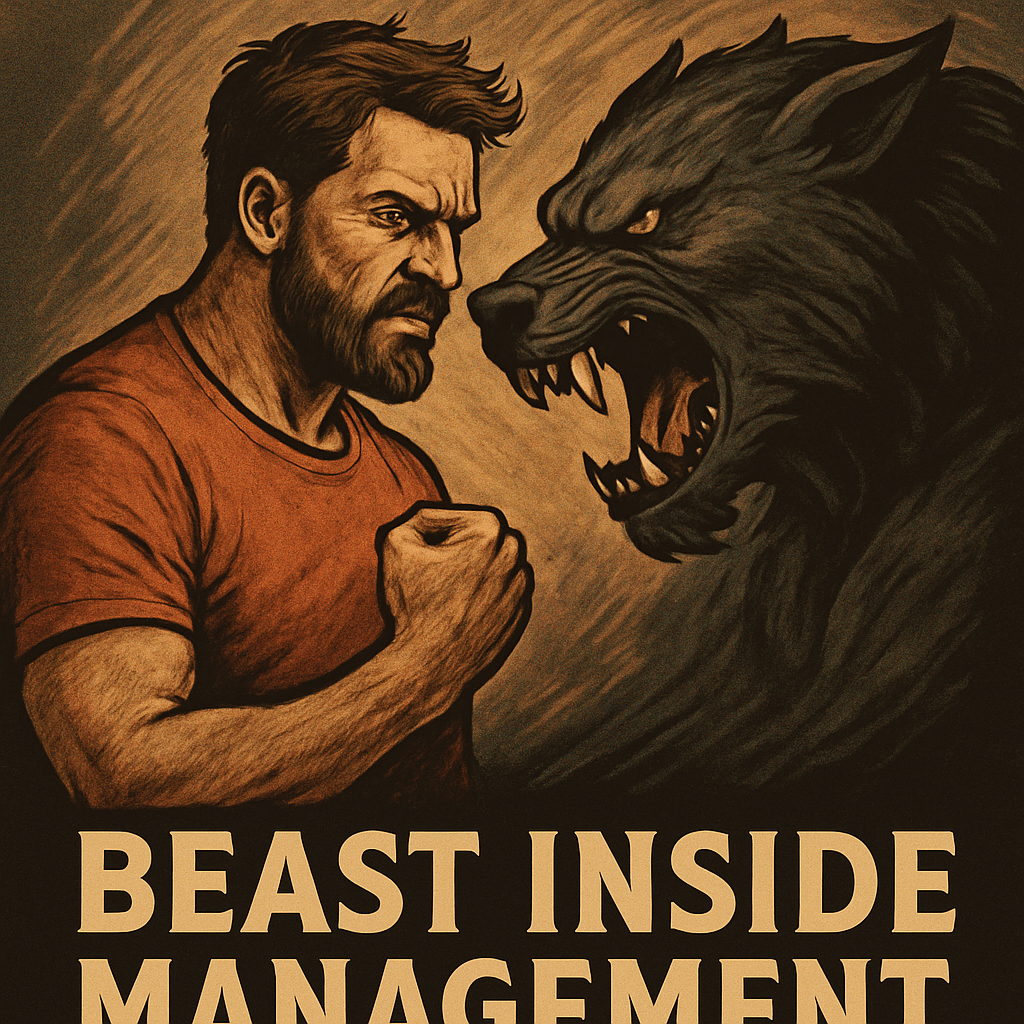
Table of Contents:
- Introduction to the Beast Within
- Why We All Have an Inner Beast
- The Psychology Behind It
- Signs Your Inner Beast Is Taking Over
- Dangers of Ignoring Your Inner Beast
- Step 1: Acknowledge the Beast
- Step 2: Identify the Triggers
- Step 3: Emotional Journaling
- Step 4: Controlled Release Techniques
- Step 5: Anger to Action Transformation
- Step 6: Learn the Language of the Beast
- Step 7: Inner Child vs. Inner Beast
- Step 8: Build Self-Control Muscles
- Step 9: Use Physical Exercise
- Step 10: Breathwork and Beast Control
- Step 11: Meditation for Mind-Beast Alignment
- Step 12: Creative Outlets
- Step 13: The Beast and Relationships
- Step 14: The Beast in Career Growth
- Step 15: Beast Mode vs. Balance Mode
- Step 16: Myth vs. Reality
- Step 17: Success Stories of Beast Management
- Step 18: Tools and Apps to Help
- Step 19: Daily Rituals to Stay in Charge
- Step 20: Final Thoughts – Make Peace with the Beast
1. Introduction to the Beast Within
Everyone has a side they don’t always show. Sometimes it appears as rage, jealousy, addiction, impatience, or even depression. It’s raw, primal, and powerful. We call it the “Beast Inside.” While many people try to hide or suppress it, truly successful individuals learn to manage it. This blog will guide you through powerful, practical methods for beast inside management, helping you transform dark energy into a tool for growth, passion, and purpose.
2. Why We All Have an Inner Beast
The “beast” is part of our evolutionary psychology—a survival mechanism designed to protect, defend, and push us toward action in times of danger or emotional threat. It contains:
- Fear (to alert us)
- Anger (to protect us)
- Desire (to drive us)
- Aggression (to empower us)
In modern times, though, these instincts can backfire in relationships, careers, and mental health. Managing the beast isn’t about killing it—it’s about channeling it.
3. The Psychology Behind It
Psychologists like Carl Jung referred to the beast as the “shadow self”—the darker aspects of ourselves that we repress. If left unmanaged, these shadows control us. But if brought into awareness, they become a source of power.
4. Signs Your Inner Beast Is Taking Over
- Explosive anger over small things
- Passive-aggressive behavior
- Overindulgence (e.g., food, sex, shopping)
- Anxiety, depression, or mood swings
- Sabotaging relationships or careers
- Addictive tendencies
Awareness is the first key.
5. Dangers of Ignoring Your Inner Beast
- Burnouts in career and life
- Toxic relationships
- Mental breakdowns
- Unfulfilled potential
- Lack of emotional stability
When you ignore the beast, it finds its own outlet—often destructive.
6. Step 1: Acknowledge the Beast
Stop denying or suppressing your inner chaos. Everyone has it. Say to yourself:
“Yes, I feel rage. Yes, I feel jealousy. Yes, I crave control. But I also have the power to manage it.”
Accepting the beast is not weakness—it’s wisdom.
7. Step 2: Identify the Triggers
Track when the beast shows up:
- After being insulted?
- When you feel ignored?
- When goals are not met?
Use emotion-tracking apps like Moodpath or Daylio to detect patterns.
8. Step 3: Emotional Journaling
Write what your beast says:
- “I’m angry because no one respects me.”
- “I want to punch the wall.”
Write uncensored. Let it out in a safe space. Journaling converts emotion into clarity.
9. Step 4: Controlled Release Techniques
Instead of yelling or suppressing, try:
- Punching a pillow
- Screaming in an isolated place
- Breaking old tiles in a rage room
- Running till exhaustion
Release without harm.
10. Step 5: Anger to Action Transformation
Channel beastly energy into:
- Working harder
- Defending the weak
- Creating art
- Solving problems
Turn aggression into ambition.
11. Step 6: Learn the Language of the Beast
Your beast uses emotions, impulses, and physical signs:
- Racing heart
- Clenched jaw
- Sudden tears
- Mental fog
Learn to interpret these early warning signs.
12. Step 7: Inner Child vs. Inner Beast
Often, the beast acts out because of an injured inner child. Comfort your inner child with:
- Affirmations: “You are safe.”
- Inner child journaling
- Mirror talk
Soothing the child calms the beast.
13. Step 8: Build Self-Control Muscles
Like going to the gym:
- Delay gratification (start small)
- Say “no” to small impulses
- Train your “willpower muscle”
Apps like “Fabulous” help build consistency and control.
14. Step 9: Use Physical Exercise
Anger is energy. Use:
- Boxing
- Weight lifting
- Dance
- Martial arts
This keeps the beast fit but not wild.
15. Step 10: Breathwork and Beast Control
Try techniques like:
- Box Breathing (4-4-4-4)
- Wim Hof breathing
- Alternate nostril breathing
Breathing creates space between trigger and reaction.
16. Step 11: Meditation for Mind-Beast Alignment
Beast meditation doesn’t mean silence. It can be:
- Fire meditations
- Guided shadow meditations
- Rage release visualizations
Apps like Insight Timer offer free guides.
17. Step 12: Creative Outlets
Turn your beast into:
- Poetry
- Painting
- Drumming
- Blogging
- Writing fiction
Art heals.
18. Step 13: The Beast and Relationships
Uncontrolled beasts ruin intimacy. Tips:
- Speak instead of shout
- Take beast-breaks
- Explain your triggers to loved ones
- Apologize for outbursts
Relationships thrive when the beast is understood.
19. Step 14: The Beast in Career Growth
Use your inner drive to:
- Become fearless in presentations
- Push through competition
- Take risks
- Demand respect
Just don’t let ego override empathy.
20. Step 15: Beast Mode vs. Balance Mode
Beast mode is:
- Focus
- Energy
- Attack mode
Balance mode is:
- Rest
- Recovery
- Reflection
Alternate. Don’t stay in beast mode all the time.
21. Step 16: Myth vs. Reality
Myth: The beast is evil.
Reality: The beast is energy.
Myth: Controlling the beast makes you weak.
Reality: Managing it makes you wise and powerful.
22. Step 17: Success Stories of Beast Management
- Mike Tyson turned rage into boxing power.
- Lady Gaga channeled trauma into creative identity.
- Jordan Peterson helps people face their inner chaos for order.
Your beast could write your success story.
23. Step 18: Tools and Apps to Help
- Moodfit: Tracks emotional patterns
- Fabulous: Builds morning habits
- Woebot: AI emotional support
- Notion: Emotional journal templates
- Spotify: Rage-to-calm playlists
Use tech to train your beast smartly.
24. Step 19: Daily Rituals to Stay in Charge
- Morning journaling
- Affirmation: “I manage my beast, it does not manage me.”
- 10-minute physical movement
- Emotional check-ins
- Mindful breathing breaks
- Evening reflection: “Where did the beast show up today?”
25. Final Thoughts: Make Peace with the Beast
Your inner beast isn’t your enemy. It’s your untapped power—waiting to be refined, understood, and directed. Learn its language, set its boundaries, and walk with it like a powerful, trusted companion. In mastering your inner beast, you master yourself.
Wow sir.. Awesome post.. Let me bookmark it for continuous reference. Amazing post
Your article helped me a lot, is there any more related content? Thanks!