
Real Independence – Understanding Its True Meaning in Life and Society
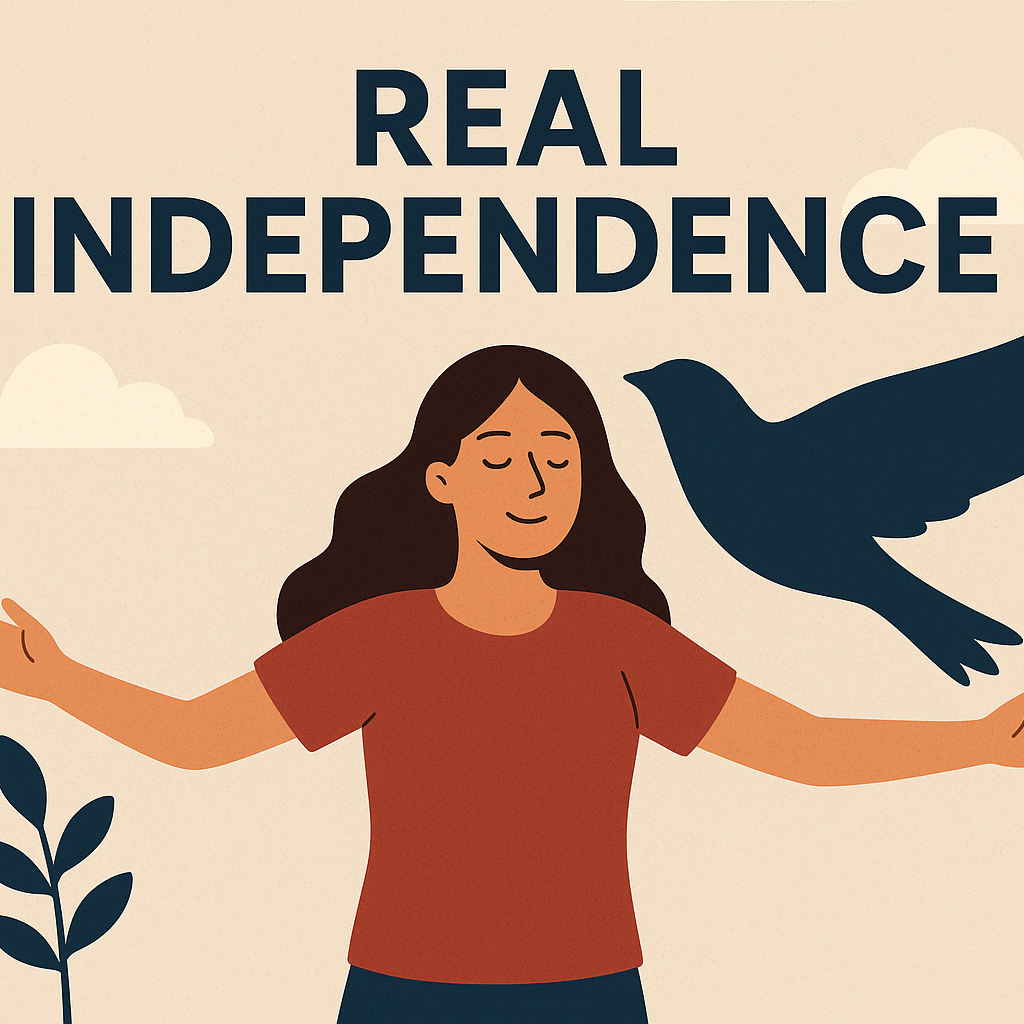
When we hear the word independence, most people instantly think about a nation’s freedom from colonial rule or political control. While that’s one important side of it, real independence is much deeper. It is not just about raising a flag; it is about the ability to live freely, make your own decisions, and take responsibility for your life and actions.
In this blog, we will explore the true meaning of real independence, why it matters in both personal and national life, and how we can achieve it in a practical way.
Table of Contents
1. What is Real Independence?
independence is the state of being free in mind, body, and soul. It’s when you don’t rely on others for your happiness, decisions, or growth. It’s not just political or financial freedom but also mental and emotional strength.
For example, a country may be free on paper, but if its citizens are still bound by poverty, corruption, or ignorance, the nation is not truly independent. Similarly, a person might earn money but still be emotionally dependent on others to feel happy — that’s not real independence either.
2. Why Real Independence is More Than Freedom
Freedom means you can do something. independence means you choose what is right without being forced, controlled, or manipulated. It is the ability to think critically, make wise decisions, and stand by your values even when faced with pressure.
In life, we often think we are independent because no one tells us what to do. But if we are controlled by bad habits, fear, or other people’s opinions, then we are still not free.
3. Real Independence in Personal Life
On a personal level, real independence includes:
- Financial freedom – earning enough to support yourself without relying on others.
- Emotional strength – being able to handle life’s challenges without breaking down.
- Decision-making power – taking responsibility for your own choices.
For instance, a student who studies because they want to learn, not just because parents or teachers said so, is experiencing real independence.
4. Real Independence in a Nation
For a country, independence is achieved when:
- Citizens are educated and informed.
- People have equal opportunities for growth.
- Justice is fair and available to everyone.
- The economy is strong enough to meet people’s needs.
A nation that depends heavily on foreign aid, even after years of political freedom, is not enjoying real independence in the truest sense.
5. Barriers to Independence
Some common obstacles include:
- Economic dependency – relying on others for money or resources.
- Lack of education – without knowledge, people cannot make informed choices.
- Cultural restrictions – outdated beliefs that stop progress.
- Fear and self-doubt – mental chains that limit personal growth.
6. How to Achieve Real Independence
To live with independence, we can:
- Educate ourselves – Knowledge gives the power to think freely.
- Be financially responsible – Learn to earn, save, and invest.
- Build confidence – Trust yourself to make decisions.
- Respect others’ freedom – Real independence is mutual.
- Stay disciplined – Avoid addictions and negative influences.
7. Independence is a Journey
Nobody becomes truly independent overnight. It’s a journey of learning, failing, and growing. You may achieve financial independence first, then emotional independence, and later contribute to your nation’s independence in a deeper way.
8. Conclusion
Real independence is not just a date on a calendar or a political event. It is a way of life — the ability to live freely without harming others, to think without being manipulated, and to stand on your own feet in every situation.
Whether as individuals or as nations, the goal should be to achieve real independence in mind, body, and soul. That is when we can truly say we are free.
Your article helped me a lot, is there any more related content? Thanks!
Thanks for sharing. I read many of your blog posts, cool, your blog is very good.
Your point of view caught my eye and was very interesting. Thanks. I have a question for you.