
Introduction: Building the Future with Active Structures
The construction industry is on the brink of a transformative shift, where conventional building methods are being replaced with smarter, safer, and more sustainable solutions. Active structures stand at the forefront of this change, blending cutting-edge construction technology with architectural innovation and advanced engineering to create resilient structures that adapt, respond, and optimize performance in real time.
From seismic protection to energy efficiency, the advantages of active structures are not just theoretical—they are being implemented in skyscrapers, bridges, healthcare facilities, and residential complexes around the world. With rising concerns about climate change, urbanization, and environmental sustainability, the demand for responsive and adaptive design solutions has never been greater.
Unlike passive systems that rely solely on fixed materials and designs, active structures utilize dynamic components such as sensors, actuators, and real-time monitoring systems. This allows buildings to respond to dynamic loads, vibrations, and environmental factors, offering enhanced safety, comfort, and performance.
In this article, we explore how active structures are revolutionizing the way we build, live, and work. We’ll cover their definition, benefits, materials, applications, and future trends, while demonstrating how sustainable buildings, smart architecture, and resilient structures are reshaping urban landscapes and infrastructure for generations to come.
Table of Contents
What is an Active Structure?
An active structure in construction refers to a system that can actively respond to forces, environmental changes, and stressors to optimize performance, reduce risk, and enhance efficiency. Unlike traditional buildings that passively withstand external forces, active structures integrate sensors, actuators, controllers, and smart materials that allow them to adjust dynamically.
Core Components of an Active Structure
- Sensors – These are embedded in the structure to continuously monitor factors like stress, temperature, vibration, and movement.
- Actuators – Devices that make mechanical adjustments based on sensor data, such as controlling load distribution or reducing vibrations.
- Controllers – The brain of the system that processes data and activates responses in real time to ensure optimal structural behavior.
- Energy Systems – Many active structures incorporate renewable energy integration and efficient energy systems to power operations.
How Do Active Structures Work?
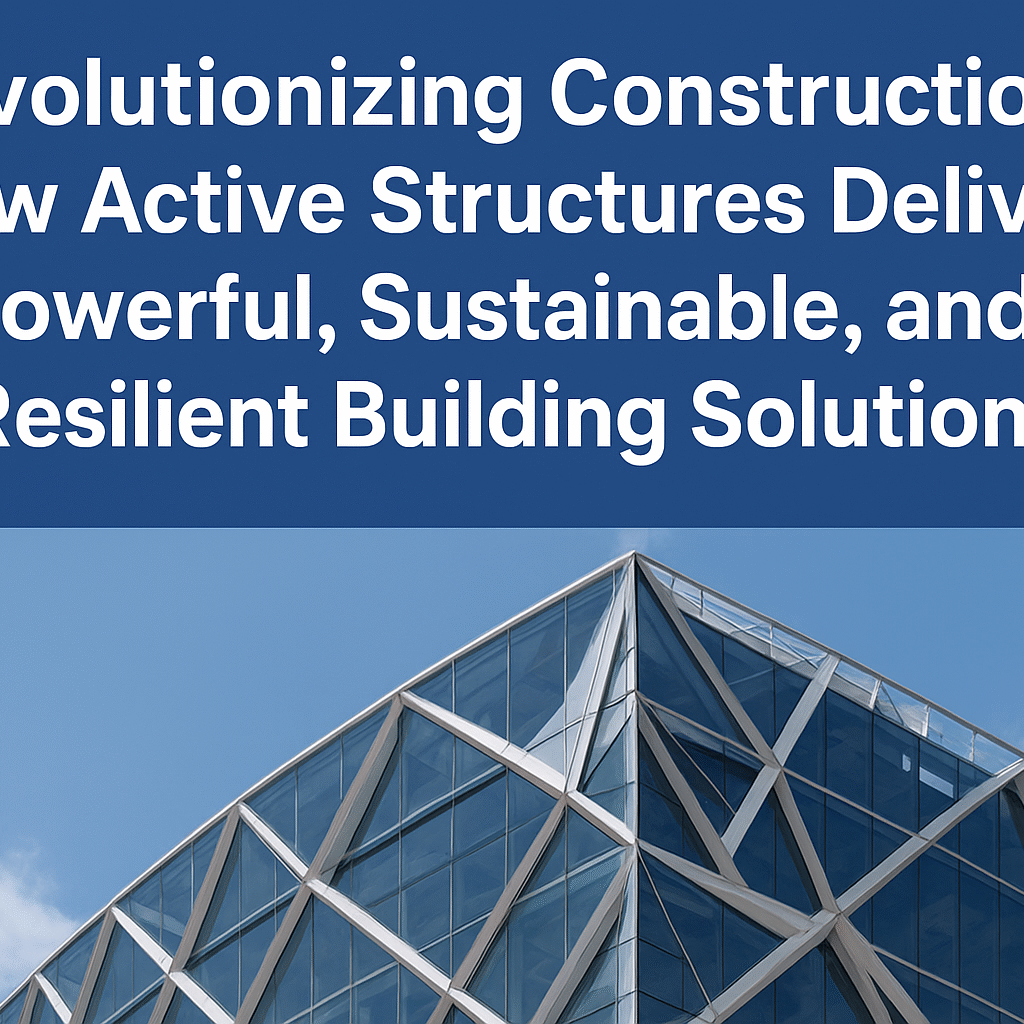
Through continuous feedback loops, active structures sense changes and adapt accordingly. For example, in high-rise buildings, wind loads can cause sway and discomfort. With integrated vibration control systems and responsive designs, the structure counteracts movement, improving stability and occupant comfort.
Similarly, in earthquake-prone regions, active systems redistribute loads and minimize stress concentrations to protect the integrity of the structure. This is particularly important when designing resilient structures that must withstand dynamic loads without suffering catastrophic failure.
Applications of Sensors and Real-Time Monitoring
- Structural health monitoring ensures infrastructure longevity by detecting weaknesses early.
- Load distribution management helps buildings respond to shifting forces without compromising safety.
- Thermal management optimizes HVAC performance, enhancing energy efficiency and reducing carbon footprint.
- Automation in construction supports smarter installation methods and reduces manual intervention.
Key Benefits of Active Structures
The advantages of active structures extend beyond just technical functionality—they redefine what it means to build sustainably and safely in today’s challenging environments.
1. Enhanced Safety During Seismic Events
One of the most critical benefits of active structures is their ability to provide seismic protection. By sensing vibrations and redistributing stress, they reduce the likelihood of structural failure. Buildings equipped with real-time monitoring systems can detect weak zones before damage escalates, allowing preventive maintenance or evacuation procedures to be triggered automatically.
2. Improved Energy Efficiency
Active structures often integrate renewable energy solutions, efficient energy systems, and HVAC optimization techniques that significantly lower energy consumption. By intelligently adjusting to environmental factors, they ensure that lighting, heating, and cooling are provided where needed without unnecessary waste.
3. Greater Adaptability to Environmental Changes
As climate patterns shift, buildings need to adapt. Active structures with climate adaptation strategies allow for flexible load distribution and environmental control, ensuring performance remains optimal under varying weather conditions.
4. Noise and Vibration Control
Urban environments often struggle with excessive noise and vibration caused by traffic, machinery, or external weather phenomena. Vibration control systems and noise mitigation designs make active structures ideal for dense urban areas and healthcare facilities where comfort is paramount.
5. Extending Building Lifespan
Through real-time monitoring, sensor integration, and structural health tracking, active structures are better equipped to maintain long-term functionality. Early detection of stress, corrosion, or wear prevents costly repairs and extends the lifecycle maintenance of buildings and infrastructure.
6. Enhancing Occupant Comfort
Active structures promote occupant comfort by regulating temperature, airflow, and lighting in real time. Thermal management systems respond to external conditions, ensuring optimal living and working environments, while responsive design enhances the experience by automatically adjusting for natural light and ventilation.
7. Case Studies: Real-World Applications
- Skyscrapers – Tall buildings use active damping systems to counteract wind forces.
- Bridges – Active systems monitor load distribution and structural flexibility.
- Healthcare facilities – Smart structures control airflow and temperature for patient comfort.
- Industrial plants – Stress reduction and noise control systems enhance worker safety.
- Residential buildings – Modular construction methods reduce waste and improve energy use.
Advanced Materials and Technologies Enabling Active Structures
The rise of active structures is closely linked to innovations in high-performance materials, lightweight materials, and digital technologies that empower engineers to create more efficient and adaptive systems.
Lightweight and High-Performance Materials
Materials like carbon fiber composites, advanced polymers, and recycled metals are being utilized to reduce the weight of structures without compromising strength. These materials allow for better load distribution, stress reduction, and structural optimization, leading to safer, more energy-efficient designs.
Sensor Integration
The integration of sensors in building materials is a breakthrough for structural health monitoring and performance analytics. These sensors continuously track changes in pressure, temperature, and vibration, feeding data to central controllers that adjust structural elements in real time.
Real-Time Data Analytics
Active structures leverage digital twins, which are virtual replicas of physical structures that simulate performance under different scenarios. This allows engineers to test dynamic loads, optimize structural flexibility, and refine designs before construction begins.
Automation and Robotics
Automation in construction is driving efficiency by reducing human error and speeding up processes. Robotics is being used to install components that require precise alignment, ensuring that sensors, actuators, and controllers are seamlessly integrated into building systems.
Applications in Modern Construction
Active structures are not a theoretical concept—they are already shaping industries, cities, and communities.
Skyscrapers and Tall Buildings
In high-rise construction, wind forces pose significant challenges. Active structures with wind-resistant structures and vibration control ensure that buildings sway minimally, providing safer and more comfortable spaces for occupants.
Bridges and Transportation Infrastructure
Bridges are exposed to heavy traffic and fluctuating loads. Active systems monitor load distribution, allowing for structural optimization and reducing the risk of stress-related damage.
Industrial Plants and Energy Facilities
Industrial environments require noise mitigation, stress reduction, and climate adaptation for worker safety and equipment longevity. Active structures ensure that HVAC systems operate at peak efficiency, reducing operational costs.
Healthcare and Educational Facilities
In hospitals and schools, thermal management, airflow control, and noise mitigation are essential for well-being. Active designs enhance indoor air quality and ensure comfortable learning and healing environments.
Residential Buildings
Active structures make homes more energy-efficient and responsive to changing environmental conditions. By integrating building envelope solutions and efficient energy systems, residential spaces become smarter and more sustainable.
Smart Cities
As cities become more interconnected, active structures form the backbone of smart architecture. They enable sensor integration, real-time monitoring, and digital twins, creating infrastructure that anticipates and adapts to the needs of residents.
Sustainability and Environmental Impact
A major advantage of active structures is their alignment with green construction and global sustainability goals.
Reducing Carbon Footprint
By optimizing energy use, minimizing material waste, and integrating renewable energy integration, active structures reduce the carbon footprint of buildings throughout their lifecycle.
Thermal Regulation and HVAC Optimization
Thermal management systems allow buildings to maintain stable internal temperatures without overreliance on heating or cooling systems. Intelligent HVAC optimization further enhances efficiency while improving comfort.
Efficient Use of Materials and Space
With modular construction techniques and advanced materials, waste is reduced, and space utilization is maximized. This approach not only lowers construction costs but also enhances resource conservation.
Lifecycle Maintenance
Active systems use real-time monitoring to predict maintenance needs, preventing failures before they occur. This proactive approach ensures infrastructure longevity, reducing repair costs and environmental impact.
Climate Adaptation
In the face of extreme weather events, active structures with climate adaptation features ensure that buildings remain functional and safe, even under adverse conditions.
Challenges and Future Trends
While active structures present numerous benefits, several challenges must be addressed to unlock their full potential.
Cost Considerations
Advanced materials, sensors, and automation tools can increase initial investment costs. However, long-term savings in maintenance and energy efficiency often outweigh upfront expenses.
Complexity in Design and Implementation
Active structures require sophisticated modeling, simulation, and coordination across multiple engineering disciplines. Ensuring proper installation and integration is critical to system performance.
Training and Workforce Development
As construction becomes more reliant on digital twins, sensor integration, and automated systems, specialized training programs are needed to equip workers with the necessary skills.
Regulatory and Safety Standards
Developing codes and standards to guide the design, installation, and maintenance of active systems is essential. Safety compliance must remain a priority throughout project planning and execution.
Future Innovations
The next wave of construction innovation includes:
- AI-driven control systems for predictive maintenance
- Self-healing materials that automatically repair micro-cracks
- Integration with smart cities to provide real-time infrastructure feedback
- Enhanced performance analytics for long-term building optimization
Conclusion: A Smarter, Safer, and Greener Future
Active structures represent a powerful evolution in construction technology, offering a blend of resilient structures, sustainable buildings, and smart architecture that not only meets today’s demands but also prepares us for the challenges of tomorrow.
By leveraging advanced engineering, adaptive design, and energy efficiency, active structures deliver buildings that are safer, more efficient, and environmentally responsible. As cities grow and infrastructure becomes more interconnected, these solutions will be key to building a future that is not only functional but also forward-thinking and compassionate.
For builders, architects, engineers, and city planners, embracing active structures is not just a trend—it’s a necessity. With the right materials, technologies, and expertise, we can create spaces that stand resilient against change while enhancing human experience and promoting a healthier planet.
The time to innovate is now. Active structures are here—and they are building the future.
Thanks for sharing. I read many of your blog posts, cool, your blog is very good.