

Embracing the Bloom: A Compassionate Guide to Baby Grooming and Your Postpartum Journey
Grooming and Your Postpartum Journ
The moment you cradle your newborn in your arms(Baby Grooming) , the world shifts. A new, profound love takes root, and with it, a beautiful, bewildering responsibility. The first nine months are a period of incredible growth not just for your baby, but for you, as a mother. It’s a dance of learning your baby’s needs while navigating the tidal wave of changes within your own body and mind.
This guide is here to be your trusted companion. We’ll gently walk through the practical art of grooming your little one from those fragile early days to the wiggly, curious months that follow. Then, with equal care, we’ll turn the spotlight on you the superhero mom and explore the hormonal symphony
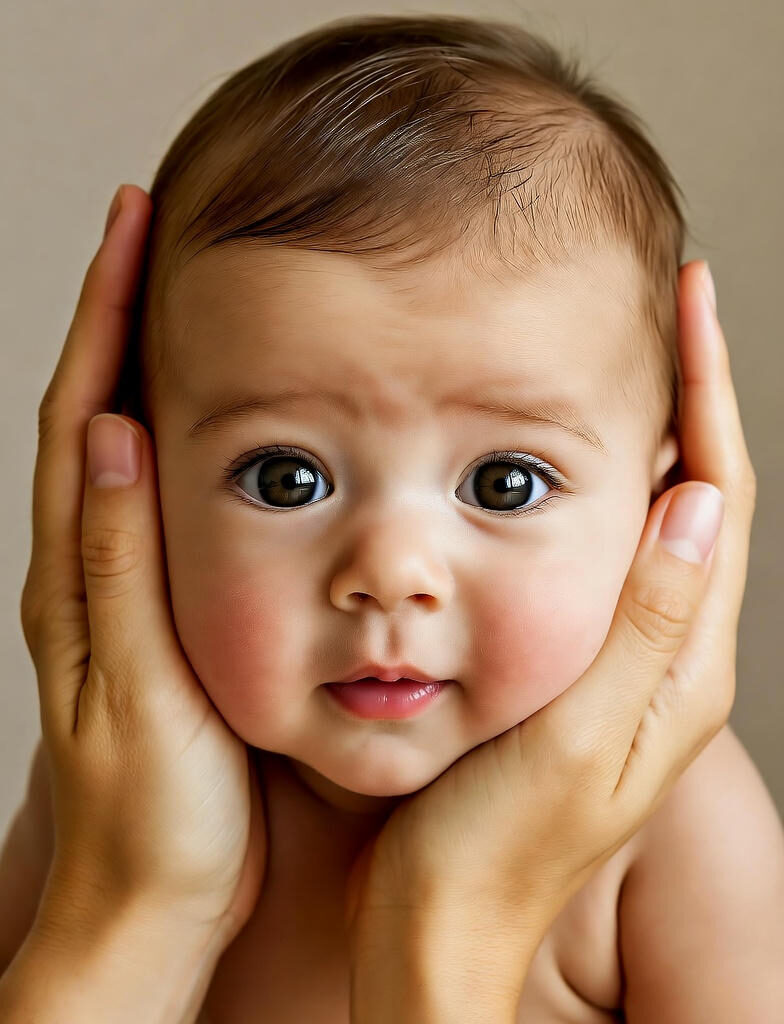
(and sometimes, cacophony) happening behind the scenes, offering real, actionable solutions for your wellness.
This isn’t just about “how-to”; it’s about “you-too.” You are not alone in this.
Part 1: The Gentle Art of Baby Grooming (0-9 Months)
Grooming your baby is about so much more than hygiene. It’s a sacred time for bonding, for touch, for communicating your love and care through every gentle stroke and soft wipe. Let’s break it down into manageable, loving steps.
1.1. The Newborn Nest: Grooming Your 0-3 Month Old
Those first three months, often called the “fourth trimester,” are all about gentle transition—from womb to world.
The First Baths: Sponge Baths & Cord Care
Your baby’s first bath doesn’t need to be a splashy affair. Until the umbilical cord stump falls off (usually within 1-3 weeks), sponge baths are the way to go.
-
How to do it: Choose a warm, draft-free room. Lay your baby on a soft towel. Using a clean, soft washcloth dipped in warm water (no soap needed for the first week or two), gently wipe her face, then move to the body, saving the diaper area for last. Pay special attention to the creases in her neck, armpits, and thighs.
-
Umbilical Cord Care: Keep the stump clean and dry. Fold the diaper down so it doesn’t cover the stump. You can gently clean around the base with a cotton swab and water if it gets dirty. Let it air dry. It will eventually shrivel up and fall off on its own—never pull it off.
Newborn Skincare: Less is Truly More
A newborn’s skin is a masterpiece of sensitivity. It’s perfectly designed and doesn’t need much help from us.
-
Stick to Water: For the first month, water is often enough.
-
Choose Products Wisely: When you do introduce soap or shampoo, opt for fragrance-free, hypoallergenic, and tear-free products designed for babies.
-
Diaper Rash Warriors: Change diapers frequently. At the first sign of redness, apply a thick layer of a zinc-oxide-based diaper cream to create a protective barrier. Let her have some diaper-free time each day to let the skin breathe.
Taming Those Tiny Nails & Managing Hair
Those surprisingly sharp little nails can scratch that delicate face.
-
Nail Trimming: Use a baby nail file or emery board for the first few weeks it’s the safest option. As they get a bit bigger, you can use baby nail clippers. A great tip is to trim nails when she’s asleep or deeply relaxed after a feed.
-
Cradle Cap: Those yellowish, crusty patches on her scalp are common and harmless. Gently massage a little baby oil or petroleum jelly into the scales, let it sit for 15 minutes, then gently brush with a soft baby brush and wash as usual. Do not pick at it.
Feeding, Sleep & The Magic of Bonding
Grooming and care are intertwined with feeding and sleep, creating the rhythm of your days.
-
Feeding on Demand: In the early months, feed your baby whenever she shows hunger cues (rooting, sucking on hands). This builds trust and ensures she gets the nutrition she needs.
-
Sleep Isn’t Linear: Newborns sleep a lot, but in short bursts. Focus on creating a safe sleep environment (on her back, in a bare crib) rather than a strict schedule. Swaddling can mimic the womb and provide comfort.
-
Bonding Through Touch: Baby massage is a powerful tool. Using gentle, firm strokes on her legs, arms, and back with a baby-safe oil can aid digestion, improve sleep, and deepen your connection. Look into her eyes, talk softly, and sing to her during grooming routines.
1.2. Splish-Splash Fun: Grooming Your 3-6 Month Old( Baby Grooming)
By now, your baby is more alert, interactive, and may even start to enjoy bath time!
Transitioning to Tub Baths
Once the cord has healed, you can move to a small, plastic baby tub or even the sink (with a non-slip mat).
-
Safety First: Never, ever leave your baby unattended in water—not even for a second. Gather all your supplies (soap, towel, clean diaper) beforehand.
-
Make it Fun: Introduce a few simple bath toys. Pour water gently over her body and talk to her about what you’re doing. Keep baths short (5-10 minutes) to prevent dry skin.
Teething & Drool Management( Baby Grooming)
Around this age, the drool faucet turns on! Constant moisture can irritate the chin, neck, and chest.
-
Gentle Wiping: Pat the area dry frequently with a soft cloth ,don’t rub.
-
Barrier Creams: Applying a thin layer of petroleum jelly or a baby barrier cream can protect the skin from chapping.
-
Bib Brigade: Use soft, absorbent bibs and change them often to keep her dry and comfortable.
1.3. The Wiggly Wonder: Grooming Your 6-9 Month Old
Get ready for a moving target! Your baby is likely sitting up, grabbing things, and exploring everything with her mouth.
Bath Time Becomes Playtime( Baby Grooming)
Bath time is now a sensory playground.
-
Upgrade the Tub: You might need to transition to a larger tub as she grows.
-
Establish a Routine: A consistent bath-book-bed routine can work wonders for signaling that it’s time to wind down for the night.
-
Hair Washing Hacks: To avoid the dreaded water-in-the-face shock, use a visor or a damp washcloth to shield her eyes as you rinse. Make it a game with a special “rinsing cup.”
Skincare for an Explorer
As she starts crawling and eating solids, her skin faces new challenges.
-
Food Messes: Clean food off her face and hands promptly after meals to prevent irritation.
-
Gentle Cleansing: You may need to bathe her more frequently now, but continue using mild, moisturizing products to combat dry skin.
Grooming a Moving Target( Baby Grooming)
Nail trimming and hair brushing require a new strategy.
-
Tag Team: This is a perfect job for a partner or family member to help with ,one to gently hold and distract, the other to trim.
-
Distraction is Key: Sing her favorite song, give her a special toy that she only gets during grooming, or let her watch herself in a baby-safe mirror.
Part 2: The Mother’s Journey: Navigating Postpartum Hormonal Changes
While you’ve been mastering the art of baby grooming, a silent, powerful revolution has been happening inside you. Understanding these changes is the first step toward navigating them with grace and self-compassion.
2.1. The Hormonal Rollercoaster: What’s Happening Inside?
The moment your placenta is delivered, your body undergoes the single most significant hormonal shift a human can experience in such a short time.
The Great Plunge: Estrogen & Progesterone
During pregnancy, these hormones are at an all-time high. After delivery, they plummet dramatically, reaching pre-pregnancy levels within days. This sudden drop is largely responsible for the initial baby blues and can feel like a brutal chemical withdrawal.
The Milk Makers: Prolactin & Oxytocin( Baby Grooming)
While some hormones fall, others rise to meet the demands of motherhood.
-
Prolactin: This is the milk-production hormone. It promotes feelings of nurturing and calm, but it can also suppress libido and contribute to vaginal dryness.
-
Oxytocin: The “love hormone.” It’s released during breastfeeding, skin-to-skin contact, and cuddling. It facilitates bonding with your baby, promotes milk let-down, and can produce feelings of warmth and contentment. It’s nature’s way of helping you fall in love.
2.2. The Emotional Landscape: More Than Just “Baby Blues”
It’s completely normal to feel like you’re on an emotional rollercoaster. Let’s name these feelings to take away their power.
The Baby Blues( Baby Grooming)
-
What it is: A period of mild mood swings, weepiness, anxiety, and irritability that affects up to 80% of new mothers.
-
Timeline: It typically starts 2-3 days after delivery and can last up to two weeks.
-
The Key: It’s temporary and manageable with support and self-care.
When It’s More Serious: Postpartum Depression & Anxiety
For 1 in 7 women, the feelings are more intense and persistent. This is not a character flaw; it’s a medical condition.
-
Postpartum Depression (PPD): Characterized by persistent sadness, hopelessness, anger, a lack of interest in your baby, changes in appetite or sleep (unrelated to the baby’s needs), and sometimes thoughts of harming yourself or your baby.
-
Postpartum Anxiety (PPA): Often manifests as relentless worry, racing thoughts, physical symptoms like dizziness and hot flashes, and an inability to sit still or sleep, even when the baby is sleeping.
If you experience symptoms of PPD or PPA for longer than two weeks, or have thoughts of harming yourself or your baby, please reach out to your healthcare provider immediately. This is crucial, and help is available.
2.3. Reclaiming Your Balance: Natural, Medical & Lifestyle Solutions
You are not at the mercy of your hormones. There are powerful ways to support your body and mind as you heal.
Natural & Lifestyle Support( Baby Grooming)
-
Nutrition is Medicine: Your body is healing and, if breastfeeding, has immense nutritional demands.
-
Balance Blood Sugar: Eat small, frequent meals with a mix of protein, healthy fats, and complex carbs (e.g., eggs and avocado on whole-wheat toast).
-
Omega-3s: Found in fatty fish, flaxseeds, and walnuts, these are crucial for brain health and can help ease symptoms of depression.
-
Stay Hydrated: Dehydration worsens fatigue and mood swings.
-
-
Move Your Body Gently: You don’t need to run a marathon. A 10-minute walk outside with the stroller can work wonders. Fresh air and gentle movement boost endorphins and can help regulate sleep patterns.
-
Prioritize Sleep (Yes, Really): “Sleep when the baby sleeps” is cliché but true. Forget the laundry. Let the dishes wait. Your rest is non-negotiable for hormonal balance. Even 20-minute power naps can reset your system.
-
Embrace the Power of Oxytocin: Seek out connection.
-
Skin-to-Skin: Don’t just do this with your newborn. Cuddle with your partner.
-
Laugh with a Friend: A phone call with someone who gets it can be a lifeline.
-
Ask for a Hug: Physical touch releases oxytocin and calms the nervous system.
-
Medical Interventions( Baby Grooming)
-
Therapy: Talk therapy, particularly Cognitive Behavioral Therapy (CBT), is highly effective for PPD and PPA.
-
Medication: Antidepressants or anti-anxiety medications can be life-changing. Many are safe to use while breastfeeding. Discuss this openly with your doctor.
-
Hormone Therapy: In some cases, doctors may explore bio-identical hormone creams to help with the estrogen and progesterone crash, though this is less common.
2.4. Building Your Village: The Crucial Role of Support
You cannot and should not do this alone. A strong support system is your greatest asset.
For Partners & Family: How to Really Help( Baby Grooming)
-
Be Specific in Your Offers: Instead of “Let me know if you need anything,” say, “I’m going to hold the baby for the next two hours so you can nap/shower/watch a show undisturbed,” or “I’m making a grocery run, what can I get you?”
-
Take on Grooming Tasks: Partners can take over bath time or become the official “nail trimmer.” This gives them dedicated bonding time and gives mom a break.
-
Listen Without Trying to Fix: Sometimes, a mom just needs to vent and be heard. Validate her feelings: “That sounds incredibly hard. I’m here with you.”
-
Guard Her Sleep: Take a night shift, even if it’s just bringing the baby to her for feeding and then handling the burping and diapering.
A Final Embrace: You Are Doing an Amazing Job
Dear mother, look at how far you’ve come. You are learning a new human’s language, tending to their every need with a love that knows no bounds, all while your own body and soul are rebuilding. It is the most demanding and most rewarding work on earth.
Be gentle with yourself. The messy house, the unwashed hair, the takeout dinners,they are not signs of failure. They are the battle scars of a warrior in the trenches of early motherhood. Celebrate the small victories: a successful bath, a calm nail-trimming session, a five-minute walk, a moment where you took a deep breath and asked for help.
This season of bloom for both you and your baby is fleeting. It’s messy, chaotic, raw, and breathtakingly beautiful. Trust your instincts. Lean on your village. And remember, in caring for your baby with such tenderness, you must save a little of that tenderness for yourself.
You are not just grooming a baby; you are nurturing a soul. And in the process, you are being reborn as a mother. And you are magnificent.
FAQ Section( Baby Grooming)
Q1: How often should I bathe my 3-month-old baby?
A: For a 3-month-old, 2-3 baths per week are sufficient. Too much bathing can dry out their sensitive skin. In between baths, do a daily “top and tail” wipe of their face, hands, and diaper area.
Q2: Is it normal to cry for no reason after having a baby?
A: Yes, it is very common. The sudden drop in hormones, combined with sleep deprivation and the massive life adjustment, can lead to unexplained crying spells, often called the “baby blues.” If this intense sadness or crying persists beyond two weeks, it’s important to talk to your doctor about postpartum depression.
Q3: What’s the safest way to clean my baby’s ears?
A: Never use cotton swabs (Q-tips) inside your baby’s ear canal. Simply wipe around the outer ear with a damp washcloth during bath time. The ear canal is self-cleaning.
Q4: How long do postpartum hormonal changes last?
A: The initial dramatic shift happens in the first few days, but it can take anywhere from 6 months to a year, and sometimes longer (especially if breastfeeding), for hormones to fully rebalance. Every woman’s journey is unique.
Q5: My baby has a lot of cradle cap. Should I be worried?
A: Cradle cap is a harmless, common condition. It usually clears up on its own within a few months. Gentle massage with baby oil and soft brushing can help loosen the scales. If it spreads to the face/body, becomes red and inflamed, or doesn’t improve, consult your pediatrician.
Q6: I feel irritable and angry all the time, not sad. Could this be postpartum depression?
A: Absolutely. While we often associate PPD with sadness, irritability, rage, and anger are very common and under-discussed symptoms. This is often a sign of postpartum depression or anxiety, and it’s vital to seek support from a healthcare professional.
Q7: When can I start using baby lotion and shampoo?
A: For the first month, it’s best to stick to water alone. After that, you can introduce a mild, fragrance-free, hypoallergenic baby wash and shampoo. Use lotion only if you notice their skin is particularly dry.
Thankyou so much papa.. It means a lot.. I read it and will keep revisiting.. This was a requested post and you did a fabulous job.. I am blessed to have a father like you.. You are truly an inspiration ❤️❤️
Your point of view caught my eye and was very interesting. Thanks. I have a question for you.
Thanks for sharing. I read many of your blog posts, cool, your blog is very good. https://accounts.binance.com/pt-PT/register-person?ref=KDN7HDOR
Thank you for your sharing. I am worried that I lack creative ideas. It is your article that makes me full of hope. Thank you. But, I have a question, can you help me?
Your article helped me a lot, is there any more related content? Thanks! https://www.binance.com/register?ref=JW3W4Y3A