
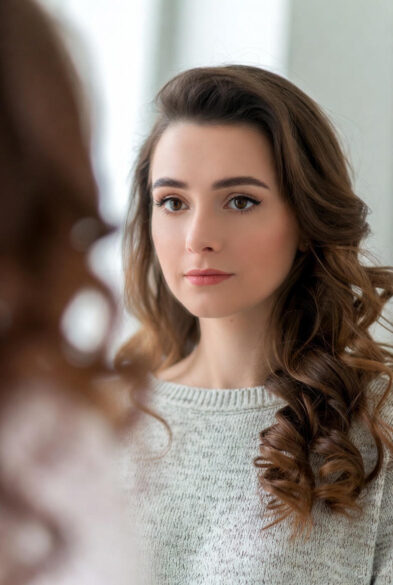
Body image. Even the phrase feels loaded, right? Maybe, like me, you’ve had days when you’d rather hide under the covers than look in the mirror. Maybe you catch yourself comparing your reflection to someone online, wishing you could swap places. If that rings true, let me just say—you’re certainly not alone, and it’s not your fault for feeling this way.
Let’s sit with that for a moment. Everyday, we’re flooded with photos and messages: on billboards, phones, even in casual conversations. Most of them push ideas about how our bodies “should” look, standards that aren’t even close to reality for most of us. Growing up, I remember staring at magazine covers, wondering why my thighs didn’t look smooth or my hair didn’t shine “just so.”For years, that feeling—of not measuring up—followed me like a shadow.

But things can change. They really can.
Let’s Be Kind to Ourselves—First and Foremost
A major turning point came when I tried speaking to myself the way I would to my closest friend. Would I ever tell her her belly isn’t flat enough? Of course not! So why say it to myself? Instead, I experimented with self-compassion—soft language, pep talks, gentle affirmations like, “I am worthy,” or “My body deserves care.” It felt cheesy at first, but slowly, the voice in my head softened and the shame started lifting.
Help: Greater Good Science Center – Self-Compassion Meditation.
Navigating Social Media: The Unfollow Button Is Your Friend
Let’s be real—Instagram and TikTok can be tough places for body image. Have you ever scrolled your feed and suddenly felt your confidence take a nosedive? I sure have. One trick I learned: hit “unfollow.” Ruthlessly. If a page or influencer makes you feel heavy-hearted instead of inspired, say goodbye. Now, I choose to follow voices who celebrate real bodies, flaws and all—like Jameela Jamil and BodyPosiPanda. My feed, my rules.
You might try: Psychology Today – Social Media and Body Image.
Goals That Are Gentle (Not Punishing)
For years, I set goals rooted in shame—“Lose ten pounds by summer” or “cover up that scar.” It didn’t work. The switch happened when I started aiming for wellness, not just weight loss. I tried walking every morning, not to shrink myself but to breathe deeply, enjoy nature. I celebrate progress, not “perfection,” and that’s where real self-esteem starts to bloom.
You might try: Healthline – Body Positivity Guide.
Sharing Your Truth
Trust me: talking about your struggles—whether to friends, a therapist, or even a supportive online community—makes an enormous difference. The first time I spoke up about my body image woes, I felt vulnerable, but I also felt lighter. Therapy, support groups, posts in body-positive spaces—these are lifelines when the burden gets heavy.
You might try: BetterHelp Online Counseling or NEDA Support Groups.
Finding Your Tribe
Some of the greatest confidence boosts in my life came from joining communities that uplift, not judge. Whether it’s a body-neutral yoga class, a book club embracing diversity, or simply friends who aren’t obsessed with appearance—positivity is contagious. Seek out spaces where you can just be yourself, quirks and all.
You might try: Yoga Journal – Body Positive Yoga.
Rewriting the Story In Your Head
When those old, critical thoughts pop up—“I’m not good enough,” “I’ll never look right”—I challenge them. Sometimes, I even write them down and then reframe them: “My belly is round, but it holds joy and laughter.” It’s about switching criticism to gratitude, one thought at a time.
Help Yourself: Positive Psychology – Cognitive Reframing.
Celebrate What Your Body Can DO
Here’s an exercise I love: make a list of everything your body does for you. Mine says, “My arms hug my loved ones. My legs take me on adventures. My laugh fills rooms.” Suddenly, the focus shifts from looks to capabilities, and that’s true blessing.
Sometimes, Less Mirror Is More
Have you ever realized you’re checking your reflection or photos way too often, hoping maybe this time you’ll “measure up”? That can quickly spiral. I sometimes take a break—a “mirror fast.” It’s weird at first, but freeing. It reminds me my worth isn’t found in glass.
Feed Your Body—and Your Mind
When I’m tired, hungry, or anxious, my self-image takes a nosedive. Basic self-care—balanced meals, enough sleep, moments of joy (reading, drawing, or just relaxing)—boosts both physical and emotional health. It’s always easier to love yourself when your mind and body are well-nourished.
Resource: EatRight.org – Nutrition Advice.
The Beauty of Diversity
Every person’s story is different. That’s what makes the world beautiful. I try to fill my life with different voices—books, blogs, YouTube channels—celebrating all shapes, sizes, and shades. It’s a daily reminder that “normal” and “perfect” don’t mean anything outside of our own unique journeys.
Suggested read: “Body Respect” by Dr. Linda Bacon.
10 Practical Ways to Improve Your Body Image
Improving body image is a gradual process that requires patience, self-compassion, and intentional effort. Here are ten practical strategies to help you build a healthier relationship with your body:
1. Challenge Negative Thoughts
Negative self-talk is one of the biggest barriers to a positive body image. When you catch yourself thinking things like “I’m not good enough” or “I hate my body,” pause and challenge those thoughts. Ask yourself: Is this thought true? Is it helpful? What would I say to a friend who felt this way? Replace negative thoughts with kinder, more realistic ones.
2. Focus on What Your Body Can Do
Instead of fixating on how your body looks, shift your attention to what it can do. Celebrate your body’s strength, resilience, and abilities. Whether it’s walking, dancing, lifting weights, or simply breathing, your body is capable of amazing things. Practicing gratitude for your body’s functions can help you appreciate it more.
3. Limit Social Media Exposure
Social media can be a major source of body dissatisfaction, especially when it’s filled with filtered images and unrealistic beauty standards. Consider unfollowing accounts that make you feel bad about yourself and follow those that promote body positivity, diversity, and self-acceptance. Remember, most social media images are curated and don’t reflect real life.
4. Practice Mindful Movement
Exercise shouldn’t be about punishing your body or trying to change your appearance. Instead, focus on activities that make you feel good—whether it’s yoga, walking, dancing, or swimming. Mindful movement helps you connect with your body and appreciate it for what it can do, rather than how it looks.
5. Surround Yourself with Positive Influences
The people you spend time with can have a big impact on your body image. Seek out friends and communities that support and uplift you. Avoid those who make negative comments about bodies or encourage unhealthy behaviors. Surrounding yourself with positive influences can help you feel more confident and accepted.
6. Practice Self-Care
Taking care of your body is a powerful way to improve your body image. This includes eating nourishing foods, getting enough sleep, and engaging in activities that make you feel good. Self-care isn’t about achieving a certain look—it’s about treating your body with kindness and respect.
7. Challenge Beauty Standards
Beauty standards are constantly changing and often unrealistic. Remind yourself that there is no “right” way to look. Everyone’s body is unique, and diversity is beautiful. Challenge the idea that you need to look a certain way to be worthy or valuable.
8. Practice Body Neutrality
Body neutrality is the idea of focusing on your body’s function rather than its appearance. Instead of trying to love your body, simply accept it as it is. This can be a helpful step for those who struggle with body positivity. Body neutrality allows you to appreciate your body without feeling pressured to feel a certain way about it.
9. Seek Professional Support
If negative body image is affecting your mental health or daily life, consider seeking support from a therapist or counselor. A mental health professional can help you explore the root causes of your body image concerns and develop strategies for improvement.
10. Celebrate Progress, Not Perfection
Improving body image is a journey, not a destination. Celebrate small victories along the way, whether it’s challenging a negative thought, trying a new activity, or simply being kinder to yourself. Progress is more important than perfection.
Final Thoughts
Improving your body image is about more than just changing how you look—it’s about changing how you feel about yourself. By challenging negative thoughts, focusing on what your body can do, and surrounding yourself with positive influences, you can build a healthier, more compassionate relationship with your body. Remember, progress takes time, and every small step counts. Be patient with yourself, celebrate your victories, and keep moving forward.
If you’re still reading, here’s my gentle reminder: Give yourself grace. The journey isn’t always easy, but every step away from shame and toward self-love is worth it. One day, you’ll look back and realize your “imperfections” are simply part of the story that makes you strong—and worthy—every single day.
Want to talk more? Drop your stories or questions below. This space is for you—your feelings, your fears, and your triumphs.