
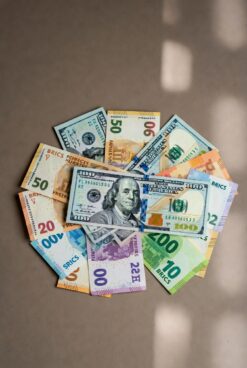
Welcome to the future of finance. As a veteran economic adviser and viral content consultant with over 20 years of experience, I’ve seen trends come and go, but what we are witnessing in 2026 is a tectonic realignment. The “greenback” is no longer the only game in town. The BRICS+ expansion has shifted from a theoretical alliance to a practical economic powerhouse, and the fear emanating from Washington is palpable. But for the savvy investor and the global citizen, this isn’t a crisis—it’s an invitation to a more balanced, prosperous, and multipolar world.
Table of Contents
1. As the world enters a new era of financial history, the rise of the BRICS currencies represents a fundamental shift away from decades of Western-led economic dominance and hegemony.
The US dollar has enjoyed an unchallenged “exorbitant privilege” since the Bretton Woods agreement. However, we are now entering a phase of financial sovereignty where nations no longer wish to be beholden to a single nation’s monetary policy. The fear in the West isn’t just about a new coin; it’s about the loss of control over global liquidity.
2. Understanding why the US Dollar is increasingly fearful of the BRICS collective requires an analysis of the de-dollarisation trends that are currently sweeping across the entire Global South landscape.
De-dollarisation is not a myth; it is a calculated strategy. By reducing reliance on the dollar, emerging markets are protecting themselves from the volatility of US Treasury yields and the “weaponisation” of finance through economic sanctions. For these nations, a SWIFT alternative is a matter of national security.
3. The current economic paradigm shift is being driven by a desire for a more equitable distribution of wealth and power among nations that have long been marginalised.
The Global South is tired of being the tail wagged by the dog. This economic paradigm shift is about creating a system where trade settlement can occur without the friction of converting to a third-party currency. It’s the Tadasana (Mountain Pose) of the new economy—finding a firm, steady base in local strength.
4. One of the primary reasons for the dollar’s growing anxiety is the potential for a new BRICS currency to be backed by tangible commodities like gold and oil.
A commodity-backed currency offers a stability that fiat currency often lacks. If the proposed “Unit” is anchored in gold reserves, it creates a natural inflationary hedge. This makes it incredibly attractive to central banks looking for wealth preservation in an era of high debt.
5. The end of the petrodollar era marks a significant turning point where oil-producing giants like Saudi Arabia and the UAE are exploring non-dollar settlements for energy.
The petrodollar collapse is perhaps the most significant threat to dollar hegemony. When energy—the lifeblood of the global economy—is traded in Yuan or Rupees, the structural demand for dollars plummets. This is the Virabhadrasana (Warrior Pose) of the BRICS bloc, standing firm against historical mandates.
6. Technological innovations such as Project mBridge are providing the necessary infrastructure for cross-border payments that bypass traditional Western-centric banking channels with unprecedented speed and efficiency.
In 2026, Project mBridge has already processed over $55 billion in transactions. This CBDC (Central Bank Digital Currency) framework allows for cross-border payments that are near-instant and cost a fraction of traditional methods. It is a technological leap that renders old systems obsolete.
7. The New Development Bank is playing a crucial role by providing an alternative source of funding for infrastructure projects that do not come with Western political strings.
The New Development Bank (NDB) is the financial heart of this movement. By lending in local currencies, the NDB helps nations avoid the “debt trap” of dollar-denominated loans. This fosters strategic autonomy and allows for sustainable growth without fear of sudden currency devaluations.
8. As the BRICS+ expansion continues to include more nations from Africa and the Middle East, the collective’s share of global GDP continues to outpace the G7.
With the inclusion of powerhouses like Iran and Egypt, the BRICS+ now represents nearly half of the world’s population. Their share of global GDP in PPP terms is skyrocketing. This is the Vrikshasana (Tree Pose)—a deep-rooted growth that is branching out to cover the entire globe.
9. US policy makers are responding with threats of tariffs and sanctions, but these measures often only serve to accelerate the very de-dollarisation they seek to prevent.
Recent threats of 100% tariffs have backfired. Instead of scaring nations back to the dollar, they have incentivised the creation of decentralised finance solutions. When the dollar is used as a stick, other nations will naturally seek a different path for their financial sovereignty.
10. The rise of a multipolar world ensures that no single nation can use its currency as a tool of political coercion or economic warfare against its rivals.
A multipolar world is a safer world. It creates a system of checks and balances. When multiple reserve currencies exist, the global economy becomes more resilient to shocks in any single country. This is the Bakasana (Crow Pose)—a delicate but powerful balance of diverse interests.
11. Central banks across the globe are diversifying their holdings at record rates, with gold becoming a preferred asset over traditional US Treasury securities for many.
The shift toward gold reserves is a clear signal of a lack of trust in the long-term value of the dollar. In 2024 and 2025, we saw record-breaking gold purchases by central banks. This move toward “hard assets” is the ultimate wealth preservation strategy for the 21st century.
12. Bilateral trade agreements between BRICS members are increasingly being settled in national currencies, which reduces the need for dollar liquidity in the international market.
Bilateral trade in local currencies is the new norm. India and Russia’s oil deals in Rupees and China and Brazil’s trade in Yuan are just the beginning. This removes the “middleman” fee of the dollar, making trade cheaper and more efficient for everyone involved.
13. The integration of blockchain technology and smart contracts into the BRICS payment system is creating a more transparent and secure environment for international trade.
By leveraging digital assets and blockchain, the BRICS nations are building a system that is “trustless” and transparent. This reduces corruption and ensures that trade settlement is executed automatically once conditions are met. It’s a modern solution for a modern era.
14. For the average consumer, the shift toward a BRICS currency could mean lower costs for imported goods as transaction and hedging fees are significantly reduced.
We often focus on the macro, but the micro is just as exciting. Lower cross-border payment costs mean cheaper electronics, fuel, and food. When your country doesn’t have to “buy” dollars to buy oil, that’s a direct win for your wallet and your wealth preservation.
15. The psychological impact of the dollar losing its status as the world’s sole reserve currency is forcing a global rethink of what constitutes financial value.
We are moving from a world of “debt-backed” money to a world of “value-backed” money. The fear of the dollar is the fear of the unknown. But as we transition, we realise that value comes from production, resources, and innovation—not just a printing press.
16. Just as Tadasana provides a foundation for yoga practice, a stable BRICS currency provides a foundation for the economic growth of the developing world in 2026.
Stability is the goal. By creating a reserve currency that isn’t subject to the political whims of Washington, the Global South can plan for the long term. This foundation allows for the kind of infrastructure and education spending that changes lives.
17. The transition to a new financial order requires a Warrior Pose mindset, where nations must be brave enough to challenge existing structures for a better future.
It takes courage to step away from the familiar. The BRICS nations are showing that Virabhadrasana (Warrior Pose) spirit. They are not just complaining about the current system; they are building a better one from the ground up.
18. Diversification is no longer just a suggestion for investors; it is a necessity for anyone looking to protect their assets in a shifting global landscape.
If your portfolio is 100% in USD, you are exposed. Smart money is moving into emerging markets, digital assets, and commodities. Wealth preservation in 2026 requires a global outlook and a willingness to embrace the multipolar world.
19. The long-term forecasting for the BRICS currency suggests that it will eventually sit alongside the dollar and euro as major pillar of global finance.
We aren’t looking at the “death” of the dollar, but rather its “right-sizing.” The dollar will remain important, but it will no longer be the only thing that matters. This coexistence is the future of global liquidity.
20. Why the fear of the dollar is actually an opportunity for those who are willing to adapt and embrace the coming changes in the global market.
Fear is a signal. When the establishment is scared, it means something big is happening. This is your chance to get ahead of the curve. By understanding the geopolitical realignment, you can position yourself for the coming global prosperity explosion.
21. The role of India in hosting the 2026 BRICS summit highlights the country’s growing importance as a bridge between the East and the West’s economies.
India is the “balancer.” By proposing the linkage of CBDCs at the 2026 summit, India is showing that it can lead the technological revolution while maintaining its strategic autonomy. It is a key player in this economic paradigm shift.
22. In the Balasana or Child’s Pose of the economy, we find a moment to rest and reflect on the unsustainable nature of debt-based growth models.
The old model of endless borrowing is reaching its limit. The BRICS movement represents a “reset”—a return to a more grounded, sustainable approach to monetary policy and fiscal responsibility. It’s time to rest the printing presses and start building real value.
23. The final verdict on the BRICS currency is that it represents a natural evolution of the global financial system toward a more inclusive future.
Change is inevitable. The rise of the BRICS currencies is not an “attack” on the West; it is the natural result of the East and South catching up. It is an evolution toward a system that reflects the reality of the world in 2026.
24. As we move forward, the focus should remain on cooperation and the shared goal of creating a world where every nation has the chance.
The goal isn’t conflict; it’s contribution. A multipolar world allows for more voices, more ideas, and more avenues for prosperity. By embracing this shift, we can ensure a more stable and wealthy future for all of humanity.
Key Actionable Steps for You in 2026
- Diversify Your Currency Exposure: Don’t keep all your eggs in the USD basket. Look into emerging markets currencies and digital assets.
- Invest in Commodities: As the “Unit” or other BRICS alternatives look toward commodity backing, assets like gold, silver, and copper will likely see increased demand.
- Stay Informed on CBDCs: Follow projects like mBridge and BRICS Pay. These are the “plumbing” of the new financial system.
- Practice Economic Flexibility: Much like the yoga poses mentioned, your financial strategy should be flexible yet strong. Be ready to pivot as new trade settlement systems go live.
Frequently Asked Questions (FAQ)
Q: Will the US Dollar disappear? A: No. The dollar will remain a major currency, but it will lose its “sole reserve” status. Think of it as moving from a monopoly to a competitive market.
Q: Is the BRICS currency backed by gold? A: There are strong proposals for the “Unit” to be commodity-backed, with gold playing a central role to ensure stability and trust.
Q: How does this affect my savings? A: If the dollar weakens significantly, the purchasing power of your USD savings may decline. Diversifying into other assets is a key wealth preservation tactic.
Q: What is the role of the New Development Bank? A: The NDB provides an alternative to the IMF and World Bank, allowing countries to fund growth without being forced into Western-prescribed austerity or political shifts.
Q: Why is 2026 a turning point? A: With India hosting the BRICS summit and the maturity of projects like mBridge, the theoretical plans of the last decade are finally becoming operational realities.
Conclusion
The fear surrounding the dollar is simply the sound of the old world giving way to the new. By embracing the multipolar world, focusing on financial sovereignty, and understanding the geopolitical realignment, we can all find a path to prosperity. The BRICS currency isn’t just a challenge to the dollar—it’s a catalyst for a more stable, equitable, and wealthy global future.
Stay grounded like Tadasana, be brave like Virabhadrasana, and let’s grow together into this new economic era.
[Link: Learn more about the International Monetary Fund’s view on de-dollarisation] [Link: Explore the latest BRICS Summit updates at the official NDB portal]
1 thought on “BRICS Currency: Dollar’s Fearful Future,7 Revolutionary Shifts”