

Table of Contents
Introduction: Your Shield Against a Preventable Disease
As both a family physician and content strategist who’s witnessed countless lives transformed through health awareness, I’m sharing breakthrough information about cervical cancer that every woman and family should know. This comprehensive guide combines medical expertise with actionable steps that empower you to take control of your health journey today.
Cervical cancer remains one of the most preventable cancers worldwide, yet thousands of women receive this diagnosis annually. The revolutionary news? Modern screening techniques, innovative vaccination programs, and cutting-edge treatment protocols are changing survival rates dramatically. Understanding cervical cancer prevention, symptoms, and treatment options isn’t just medical knowledge—it’s life-saving wisdom that protects you and those you love.
Understanding Cervical Cancer: What Every Woman Must Know About This Silent Threat
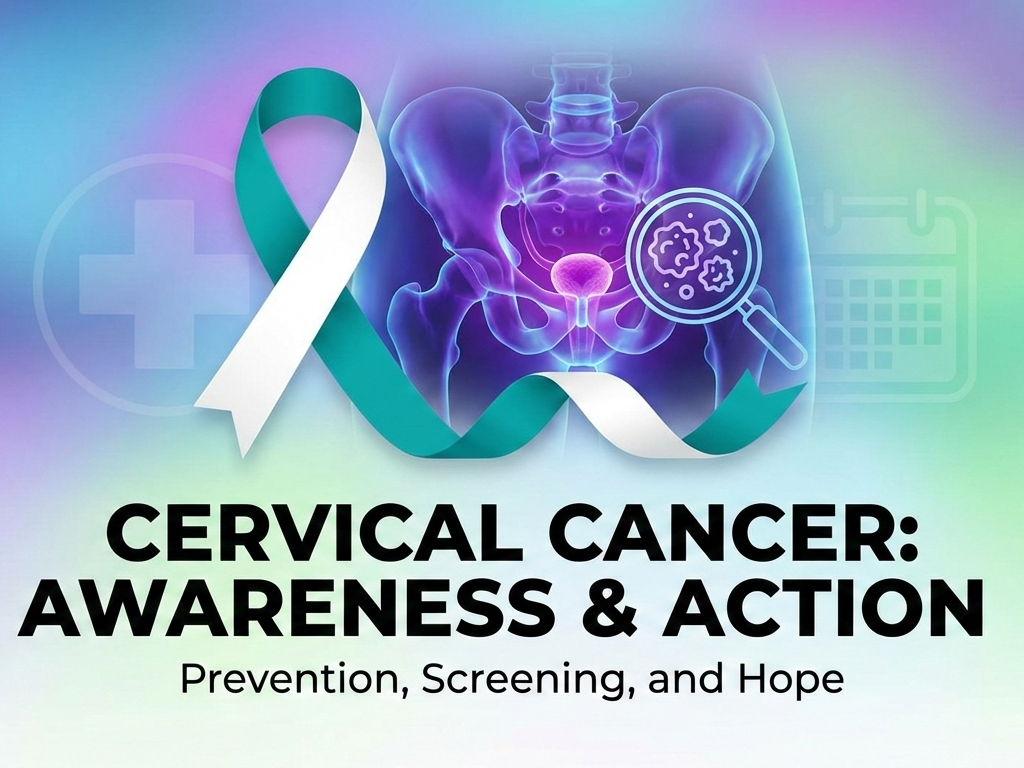
Cervical cancer develops in the cells lining the cervix, the lower part of the uterus connecting to the vagina. Unlike many cancers, this disease has a clearly identified primary cause: persistent infection with high-risk human papillomavirus (HPV) strains, particularly HPV types 16 and 18, which account for approximately seventy per cent of cervical cancer cases globally.
The cervix undergoes constant cellular changes throughout a woman’s reproductive life. When HPV infects cervical cells, it can cause abnormal cellular transformations called dysplasia. These precancerous changes typically progress slowly over ten to fifteen years, creating a critical window where early detection and intervention prevent cancer development entirely.
Most HPV infections resolve naturally within two years as your immune system clears the virus. However, persistent high-risk HPV infections coupled with factors like smoking, weakened immunity, long-term oral contraceptive use, multiple pregnancies, or other sexually transmitted infections increase transformation risks. Understanding these cervical cancer risk factors empowers women to make informed health decisions and prioritise preventive screenings.
According to the American Cancer Society, approximately 14,000 new cervical cancer cases are diagnosed annually in the United States alone, with global incidence significantly higher in developing nations where screening access remains limited.
The HPV Connection: Unravelling the Virus Behind Cervical Cancer Development Today
Human papillomavirus represents the most common sexually transmitted infection worldwide, with nearly eighty million Americans currently infected and fourteen million new infections occurring annually. Over 200 HPV types exist, but only about fourteen high-risk strains cause cervical cancer and other serious health complications.
HPV transmission occurs through intimate skin-to-skin contact during sexual activity, making it remarkably contagious. Most sexually active individuals contract HPV at some point, though the majority never develop symptoms or complications. The virus enters cells through microscopic skin abrasions during intercourse, establishing persistent infections in susceptible individuals.
Your immune system’s strength determines whether HPV becomes a transient infection or progresses toward precancerous cellular changes. Immunocompromised individuals—including those with HIV, organ transplant recipients, or people taking immunosuppressive medications—face significantly elevated cervical cancer risks due to reduced viral clearance capacity.
The transformative breakthrough in cervical cancer prevention arrived with the HPV vaccination development. The Centres for Disease Control and Prevention recommends HPV vaccination for all children at ages eleven or twelve, providing protection before potential virus exposure. The vaccine prevents infection with HPV types responsible for ninety per cent of cervical cancers, representing true preventive medicine at its finest.
Revolutionary Screening Methods: Early Detection Strategies That Save Thousands of Lives
Cervical cancer screening revolutionised women’s health by detecting precancerous changes before malignancy develops. Two primary screening methods exist: the Pap smear (Pap test) and HPV testing, both remarkably effective when performed regularly according to recommended guidelines.
The Pap smear, introduced in the 1940s, involves collecting cervical cells during a pelvic examination and analysing them microscopically for abnormalities. This simple test reduced cervical cancer mortality rates by over sixty per cent in countries with established screening programs. Modern liquid-based cytology techniques improved accuracy while enabling simultaneous HPV testing from a single sample.
HPV testing identifies high-risk viral DNA or RNA in cervical cells, predicting future cancer risk more effectively than Pap testing alone. Current screening guidelines recommend combined Pap and HPV co-testing every five years for women aged thirty to sixty-five, or Pap testing alone every three years for those aged twenty-one to twenty-nine.
The National Cancer Institute provides comprehensive screening recommendations based on age, previous results, and individual risk factors. Never underestimate regular screening power—detecting precancerous changes allows simple outpatient procedures to remove abnormal cells, preventing cancer development entirely.
Recognising Warning Signs: Critical Cervical Cancer Symptoms You Cannot Afford to Ignore
Early-stage cervical cancer often produces no noticeable symptoms, underscoring regular screening importance regardless of how healthy you feel. As the disease progresses, specific warning signs emerge that demand immediate medical evaluation and diagnostic testing.
Abnormal vaginal bleeding represents the most common cervical cancer symptom, including bleeding between menstrual periods, after sexual intercourse, after menopause, or unusually heavy menstrual bleeding. Any unexpected vaginal bleeding pattern warrants prompt gynaecological consultation, though many benign conditions also cause similar symptoms.
Unusual vaginal discharge—particularly if watery, bloody, heavy, or foul-smelling—may indicate cervical abnormalities. Pelvic pain, pain during intercourse, or lower back pain can signal advanced disease, though these symptoms occur with numerous other gynaecological conditions as well.
Advanced cervical cancer symptoms include leg swelling, urinary or bowel problems, blood in urine, difficulty urinating, and unexplained weight loss. These manifestations suggest cancer spread beyond the cervix, emphasizing early detection’s critical importance before symptom development.
Never dismiss persistent vaginal symptoms or pelvic discomfort. Schedule appointments with healthcare providers who listen to concerns seriously and investigate symptoms thoroughly. Trust your intuition—you know your body better than anyone, and advocating for proper medical evaluation saves lives.
Diagnostic Procedures: Comprehensive Testing Pathways Leading to Accurate Cervical Cancer Diagnosis
When screening tests reveal cervical abnormalities, additional diagnostic procedures determine whether precancerous changes or invasive cancer exists. Colposcopy, the primary diagnostic tool, uses a specialised magnifying instrument to examine the cervix closely while applying solutions that highlight abnormal areas.
During colposcopy, physicians perform targeted biopsies, removing small tissue samples from suspicious regions for microscopic pathological examination. Biopsy results classify cellular changes by severity: low-grade squamous intraepithelial lesions (LSIL), high-grade squamous intraepithelial lesions (HSIL), or invasive cancer. This classification guides treatment decisions and determines monitoring frequency.
Endocervical curettage involves scraping cells from the endocervical canal (the inner cervical passage) when abnormalities aren’t visible externally. Cone biopsy or LEEP (loop electrosurgical excision procedure) removes larger cervical tissue sections for comprehensive evaluation while simultaneously treating precancerous lesions.
If a cancer diagnosis is confirmed, staging procedures determine disease extent through imaging studies, including pelvic MRI, CT scans, PET scans, or chest X-rays. Accurate staging directs appropriate treatment selection and provides prognostic information. The World Health Organization emphasizes diagnostic accuracy for optimal treatment outcomes globally.
Treatment Options: Cutting-Edge Therapies Offering New Hope and Higher Survival Rates
Cervical cancer treatment depends on disease stage, cancer type, overall health status, and personal preferences. Early-stage disease often requires simple surgical procedures, while advanced cancers necessitate combined treatment approaches integrating surgery, radiation therapy, and chemotherapy.
For precancerous lesions and very early-stage cancers confined to the cervical surface, minimally invasive procedures like cryotherapy, laser therapy, or LEEP effectively remove abnormal tissue while preserving fertility. These outpatient treatments boast cure rates exceeding ninety-five per cent when performed appropriately.
Early-stage invasive cervical cancer typically requires surgical removal of the cervix, uterus, and surrounding tissues through procedures called simple or radical hysterectomy. Fertility-sparing trachelectomy removes the cervix while preserving the uterus, enabling future pregnancies in carefully selected young women with small, early-stage tumours.
Advanced cervical cancer treatment combines external beam radiation therapy, internal radiation (brachytherapy), and concurrent chemotherapy—typically cisplatin-based regimens. This chemoradiation approach dramatically improved advanced-stage survival rates, with five-year survival exceeding sixty per cent for stage IIIB disease in modern treatment protocols.
Targeted therapy and immunotherapy represent exciting frontiers in cervical cancer treatment. Bevacizumab, targeting tumour blood vessel formation, extends survival when combined with chemotherapy for recurrent disease. Pembrolizumab, an immunotherapy drug, helps the immune systems recognize and attack cancer cells, showing remarkable responses in specific patient populations.
Prevention Strategies: Proactive Steps That Dramatically Reduce Your Cervical Cancer Risk Now
HPV vaccination represents the single most powerful cervical cancer prevention tool available today. Three vaccines—Gardasil 9, Gardasil, and Cervarix—protect against high-risk HPV types causing cervical cancer. Gardasil 9 offers broadest protection, preventing infection with nine HPV types responsible for ninety percent of cervical cancers and ninety percent of genital warts.
The U.S. Food and Drug Administration approved HPV vaccination for individuals aged nine through forty-five. Vaccination proves most effective when administered before sexual activity begins, but even sexually active individuals benefit from protection against HPV types not yet encountered.
The vaccination schedule involves two doses administered six to twelve months apart for children under fifteen, or three doses over six months for those fifteen and older. Insurance plans typically cover HPV vaccination fully, and the Vaccines for Children program provides free vaccines for eligible individuals.
Beyond vaccination, consistent condom use during sexual activity reduces HPV transmission risk, though it doesn’t eliminate it entirely since HPV infects areas not covered by condoms. Limiting sexual partners and choosing mutually monogamous relationships with uninfected partners minimises exposure risk significantly.
Smoking cessation dramatically reduces cervical cancer risk independent of HPV infection status. Tobacco byproducts concentrate in cervical mucus, damaging cervical cell DNA and impairing immune responses against HPV. Quitting smoking at any age provides immediate health benefits extending far beyond cervical cancer prevention.
Screening Guidelines: Essential Recommended Testing Schedules for Every Age Group
Understanding when to begin cervical cancer screening and how frequently to undergo testing ensures optimal protection while avoiding unnecessary procedures. Current evidence-based guidelines balance early detection benefits against potential harms from overscreening, including unnecessary biopsies and treatments.
Women should begin cervical cancer screening at age twenty-one, regardless of sexual activity age. Those aged twenty-one to twenty-nine should receive Pap testing every three years. HPV testing isn’t recommended for this age group since most HPV infections resolve spontaneously without intervention.
Women aged thirty to sixty-five have three screening options: HPV testing alone every five years (preferred method), Pap and HPV co-testing every five years, or Pap testing alone every three years. The five-year co-testing interval provides excellent protection while reducing screening frequency burden.
Screening can stop at age sixty-five for women with consistently normal results and no history of cervical precancer or cancer. However, those with previous abnormal results or inadequate screening history should continue beyond sixty-five, according to healthcare provider recommendations.
Women who underwent total hysterectomy (cervix removal) for non-cancerous conditions and have no cervical cancer or precancer history can discontinue screening. Those with HPV vaccination still require screening per standard guidelines since vaccines don’t protect against all cancer-causing HPV types.
Living with Diagnosis: Emotional Support and Resources for Navigating Your Cancer Journey
Receiving a cervical cancer diagnosis triggers overwhelming emotions, including fear, anxiety, anger, and uncertainty. Acknowledging these feelings as completely normal represents the first step toward emotional healing alongside physical treatment. You don’t walk this path alone—comprehensive support systems exist throughout your journey.
Connecting with other cervical cancer survivors through support groups provides invaluable peer understanding and practical advice from those who’ve navigated similar experiences. Organisations like the American Cancer Society offer in-person and online support groups specifically for gynecologic cancer patients, creating safe spaces for sharing concerns and celebrating victories.
Mental health professionals specialising in cancer-related counselling help patients process diagnosis trauma, manage treatment anxiety, cope with body image changes, and navigate relationship challenges. Many cancer centres employ dedicated psycho-oncologists, social workers, and patient navigators, ensuring holistic care addressing emotional, practical, and spiritual needs.
Maintaining open communication with healthcare teams about physical symptoms, treatment side effects, and emotional struggles enables providers to optimise supportive care. Never hesitate to ask questions repeatedly until you understand treatment plans completely—informed patients actively participating in care decisions typically experience better outcomes and greater satisfaction.
Prioritizing self-care through activities bringing joy, practicing stress-reduction techniques like meditation or gentle yoga, maintaining social connections, and accepting help from loved ones strengthens resilience throughout treatment. Remember that healing encompasses more than physical recovery—emotional and spiritual well-being equally matter.
Fertility Preservation: Options for Women Wanting Children After Cervical Cancer Treatment
Cervical cancer and its treatments can impact fertility, but various preservation options exist for women desiring future pregnancies. Early-stage disease diagnosed in reproductive-age women may permit fertility-sparing surgical approaches when medically appropriate and safe.
Trachelectomy, removing the cervix while preserving the uterus, enables pregnancy in carefully selected patients with small, early-stage tumours showing no lymph node involvement. This procedure requires specialised expertise and close high-risk pregnancy monitoring, but successful pregnancies and deliveries occur regularly following this approach.
Before initiating radiation therapy or chemotherapy—treatments that typically cause permanent infertility—women should consult reproductive endocrinologists about preservation options. Egg or embryo freezing through in vitro fertilisation enables future biological children using gestational carriers or potentially the patient’s own uterus if radiation-sparing treatments prove possible.
Ovarian transposition, surgically moving ovaries outside radiation fields before pelvic radiation, preserves ovarian function and hormone production in some patients, though pregnancy after pelvic radiation typically isn’t recommended due to uterine damage. Discussing fertility preservation before treatment initiation provides maximum options and prevents regret later.
The Livestrong Fertility program connects cancer patients with financial assistance and discounted fertility preservation services. Many insurance plans now cover fertility preservation for cancer patients, though coverage varies considerably. Advocate strongly for these benefits—they’re essential components of comprehensive cancer care.
Follow-Up Care: Critical Post-Treatment Monitoring Ensuring Long-Term Health and Cancer Surveillance
Completing cervical cancer treatment marks a significant milestone, but ongoing surveillance remains essential for detecting recurrence early and managing treatment-related late effects. Follow-up care intensity and duration depend on initial disease stage, treatment received, and individual risk factors.
Post-treatment follow-up typically includes pelvic examinations and Pap testing every three to six months initially, gradually extending intervals over time if results remain normal. Imaging studies like CT scans or PET scans may be scheduled periodically, particularly for advanced-stage disease with a higher recurrence risk.
Most cervical cancer recurrences occur within two years post-treatment, though late recurrences happen occasionally. Warning signs requiring immediate evaluation include abnormal vaginal bleeding or discharge, pelvic pain, leg swelling, unexplained weight loss, or persistent cough. Report any concerning symptoms promptly rather than waiting for scheduled appointments.
Beyond cancer surveillance, follow-up care addresses treatment-related complications, including lymphedema, bladder dysfunction, bowel changes, sexual difficulties, hormonal issues following ovary removal, and psychosocial concerns. Comprehensive survivorship care plans outline surveillance schedules, potential late effects, health promotion strategies, and coordination between oncology specialists and primary care providers.
Adopting healthy lifestyle habits—maintaining optimal weight, exercising regularly, eating nutritious diets rich in fruits and vegetables, avoiding tobacco, and limiting alcohol—reduces recurrence risk and improves overall health. Cancer survivorship represents an opportunity for positive lifestyle transformation benefiting long-term wellness.
Clinical Trials: Accessing Innovative Treatments Through Research Participation Opportunities Today
Clinical trials investigate new cervical cancer treatments, diagnostic approaches, and prevention strategies, offering participants access to cutting-edge therapies unavailable outside research settings while advancing medical knowledge, benefiting future patients. Considering clinical trial participation represents an empowered decision deserving careful consideration.
Trials proceed through phases testing treatment safety, optimal dosing, effectiveness, and comparison with standard therapies. Phase I trials evaluate new treatment safety in small patient groups. Phase II trials assess effectiveness and continue safety monitoring in larger groups. Phase III trials compare new treatments against current standards in hundreds or thousands of patients.
Participating in clinical trials provides potential benefits, including access to promising new treatments, expert medical care from leading specialists, and satisfaction from contributing to medical progress. However, risks exist, including unknown side effects, treatment ineffectiveness, and potential additional time commitments and travel requirements.
The National Cancer Institute’s clinical trials database allows searching hundreds of cervical cancer trials by location, treatment type, and eligibility criteria. Discussing trial options with oncology teams helps determine whether participation aligns with individual circumstances, values, and treatment goals.
Remember that clinical trial participation is completely voluntary—you can withdraw anytime without affecting standard care access. Trials undergo rigorous ethical review ensuring participant protection, informed consent, and scientific validity. For some patients, particularly those with advanced or recurrent disease, trials offer hope when standard treatments prove insufficient.
Taking Action: Register for Free Screening Events and Vaccination Programs Near You
Transforming knowledge into action saves lives. Numerous organizations sponsor free or low-cost cervical cancer screening events, HPV vaccination clinics, and educational programs throughout communities nationwide. Taking advantage of these resources protects your health and demonstrates a commitment to preventive care.
Local health departments frequently host women’s health screening events offering free Pap tests, HPV testing, and clinical breast examinations for uninsured or underinsured women. The National Breast and Cervical Cancer Early Detection Program provides screening services across all fifty states—contact your state health department for local program information and registration procedures.
Many pharmacies, including CVS, Walgreens, and community pharmacies, administer HPV vaccines during regular business hours, often accepting walk-in patients. Insurance typically covers vaccination fully with no copayment. Those without insurance can access vaccines through local health departments, community health centres, or the Vaccines for Children program for eligible individuals under nineteen.
Healthcare facilities and cancer centres regularly sponsor educational seminars, support group meetings, and survivor events promoting cervical cancer awareness and providing networking opportunities. These gatherings occur year-round, with concentrated activities during Cervical Cancer Awareness Month each January featuring special screening events and educational campaigns.
Registration processes vary by event—some require advance appointment scheduling while others accept walk-ins. Check local health department websites, hospital community calendars, and organisations like the American Cancer Society for upcoming events in your area. Mark your calendar today and commit to attending—your future self will thank you.
Frequently Asked Questions: Your Cervical Cancer Questions Answered by Medical Experts
How effective is the HPV vaccine at preventing cervical cancer?
HPV vaccines demonstrate remarkable effectiveness, preventing over ninety per cent of cervical cancers caused by vaccine-targeted HPV types when administered before virus exposure. Real-world data from countries with established vaccination programs show dramatic reductions in precancerous cervical lesions among vaccinated populations compared to unvaccinated cohorts.
Can I still get cervical cancer if I’ve been vaccinated against HPV?
Yes, though the risk reduces dramatically. Current vaccines protect against HPV types causing ninety per cent of cervical cancers, meaning ten per cent result from non-vaccine types. Additionally, vaccination after HPV exposure doesn’t eliminate existing infections. Therefore, vaccinated women still require regular screening following standard guidelines.
Is cervical cancer hereditary or genetic?
Cervical cancer isn’t considered a hereditary cancer syndrome like breast or ovarian cancer. However, genetic factors influence individual HPV infection susceptibility and immune response effectiveness. Having a mother or sister with cervical cancer may slightly increase risk, though HPV infection remains the primary causative factor.
What’s the survival rate for cervical cancer?
Survival rates depend heavily on the diagnosis stage. Localised cervical cancer (confined to the cervix) shows a ninety-two per cent five-year survival rate. Regional spread (nearby lymph nodes or tissues) decreases survival to fifty-eight per cent. Distant metastasis reduces five-year survival to eighteen per cent, emphasising early detection’s critical importance.
Can men get HPV-related cancers, too?
Absolutely. HPV causes cancers of the penis, anus, and oropharynx (throat) in men, plus genital warts. HPV vaccination protects males against these cancers and prevents transmission to partners. The CDC recommends HPV vaccination for boys at ages eleven to twelve, with catch-up vaccination through age twenty-six.
Conclusion: Empower Your Health Journey Starting Today
Cervical cancer prevention represents one of modern medicine’s greatest success stories—a disease once claiming countless lives now largely preventable through vaccination and screening. The power to protect yourself and loved ones exists within your reach through simple, accessible actions taken today.
Schedule your screening appointment if overdue, ensure daughters and sons receive HPV vaccination, quit smoking if applicable, and share this life-saving information with women in your life. Early detection and prevention save lives—your proactive choices today create healthier tomorrows for yourself, your family, and your community.
The future of cervical cancer looks increasingly bright as vaccination rates rise, screening technologies improve, and treatment advances continue. By staying informed, prioritizing preventive care, and advocating for comprehensive women’s health services, we collectively move toward a world where cervical cancer becomes a rare disease rather than a common threat.
Your health journey matters. You deserve comprehensive care, accurate information, and unwavering support throughout every stage of life. Take action today—your life is worth protecting, celebrating, and living fully.
1 thought on “7 Powerful Breakthroughs Transforming Cervical Cancer Prevention Forever”