

Colorectal cancer may sound terrifying, but it is also one of the cancers where early detection, modern treatments, and smart lifestyle changes can dramatically improve survival and quality of life. With the right medical team, information, and support system, many people not only live longer but also reclaim energy, confidence, and purpose after a colorectal cancer diagnosis.pmc.ncbi.nlm.nih+3
Table of Contents
Understanding colorectal cancer
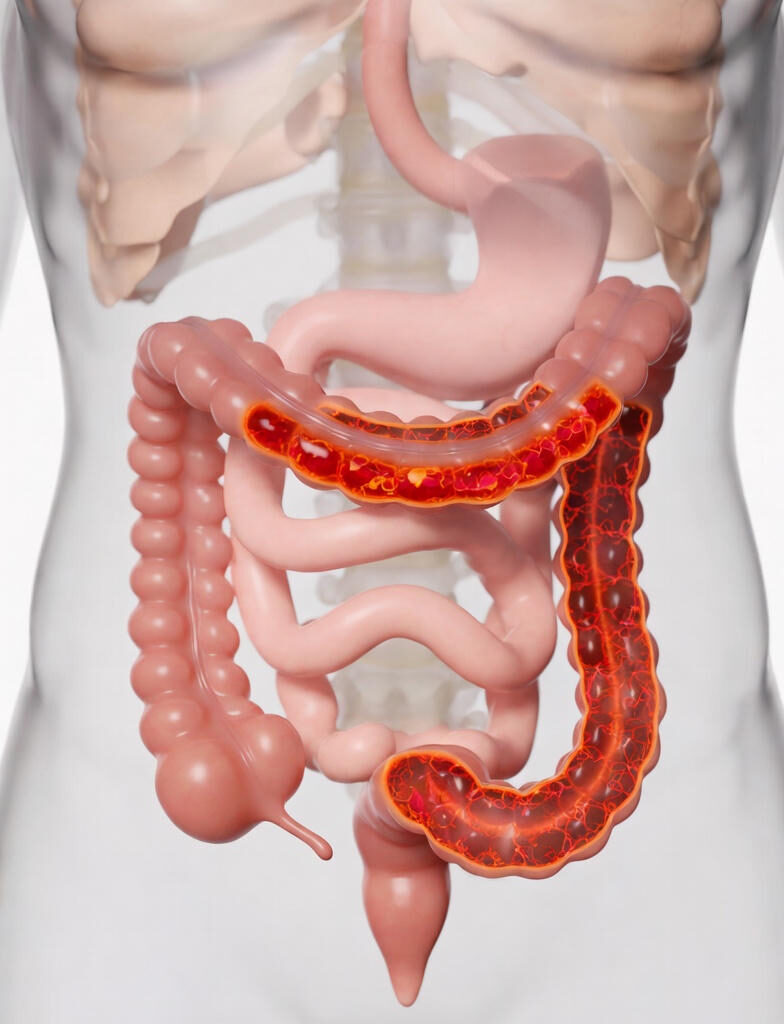
Colorectal cancer starts in the colon or rectum, usually from small growths called polyps that can slowly turn cancerous if not removed in time. Risk increases with age, family history, certain genetic syndromes, inflammatory bowel disease, unhealthy diet, inactivity, smoking, and heavy alcohol use, but anyone with persistent bowel changes or rectal bleeding should get checked early.cancer+3
Why early detection changes everything
Screening tests like colonoscopy, stool tests, and flexible sigmoidoscopy can detect precancerous polyps and early tumours long before symptoms become obvious. When colorectal cancer is found at an early stage, surgery often offers a chance for a cure, and survival rates are significantly higher than when it is discovered after spreading to other organs.cancer+3
Building your dream treatment team
Dealing with colorectal cancer is easier when a multidisciplinary team surrounds you, including a colorectal surgeon, medical oncologist, radiation oncologist, gastroenterologist, oncology nurse, dietitian, and psychosocial support professionals. A strong team offers a personalised roadmap that may include surgery, chemotherapy, targeted therapy, immunotherapy, radiation, and supportive care tailored to your stage, genes, and overall health.mskcc+3
Core treatment options explained simply
For early‑stage disease, surgery to remove the tumour and nearby lymph nodes is the main treatment and can sometimes be done with minimally invasive or robotic techniques. For more advanced or metastatic colorectal cancer, combinations of chemotherapy, targeted drugs (such as anti‑EGFR or BRAF‑targeted agents), and immunotherapy help shrink tumours, control symptoms, and extend life, often in several well‑planned lines of therapy.mayoclinic+4
New advances fueling real hope
Recent years have seen exciting approvals of targeted and combination therapies for specific mutations like BRAF V600E and KRAS G12C, plus more convenient options such as subcutaneous immunotherapy injections. These breakthroughs are opening doors for patients who previously had limited options, turning colorectal cancer into a more manageable chronic condition for many.ecancer+3
Making sense of your stage and prognosis
Your doctor will stage your colorectal cancer from I to IV using imaging, pathology, and sometimes molecular testing, which guides the intensity and type of treatment recommended. While statistics can be scary, they are averages, not destinies; response to treatment, lifestyle choices, mental health, and support all strongly influence individual outcomes and long‑term survival.pmc.ncbi.nlm.nih+3
Smart questions to ask your doctor
Before each appointment, write down questions about your diagnosis, staging, treatment goals, side effects, fertility, work, finances, and clinical trial options. Taking notes, bringing a support person, and asking for written summaries or patient‑friendly resources increases clarity, reduces anxiety, and helps you stay an active partner in every decision.colorectalcancer+3
Lifestyle upgrades that support treatment
Research suggests that maintaining a healthy weight, staying physically active, eating a high-fibre, plant‑forward diet, and limiting red and processed meat can reduce colorectal cancer risk and may support better outcomes after diagnosis. Small daily steps—like walking more, cooking at home, staying hydrated, and reducing alcohol and tobacco—build a powerful lifestyle foundation that aligns with your medical treatment.nature+3
Food, digestion, and stoma confidence
Depending on the surgery type, you might have changes in bowel habits or a temporary or permanent stoma, which can feel overwhelming at first. Dietitians and stoma nurses can guide you on foods that reduce gas, diarrhoea, or constipation, and help you regain confidence with pouch care, clothing choices, travel tips, and intimacy concerns.cancerresearchuk+2
Movement as medicine for body and mind
Regular, moderate exercise—such as walking, cycling, light strength training, or yoga—can improve fitness, reduce fatigue, and support immune and metabolic health during and after colorectal cancer treatment. Studies show that physically active survivors often report better mood, less pain, improved sleep, and a stronger sense of control over their health journey.frontiersin+2
Emotional coping strategies that truly help
Feeling fear, anger, sadness, or numbness after a colorectal cancer diagnosis is completely normal, and emotional recovery rarely follows a straight line. Helpful coping strategies include mindfulness, breathing exercises, journaling, creative activities, spiritual practices, professional counselling, and evidence‑based psycho‑oncology programs that reduce anxiety and depression.pmc.ncbi.nlm.nih+2
The power of support groups and community
Online and in‑person support groups connect you with others who understand the unique challenges of living with colorectal cancer, from treatment decisions to body image changes. Many survivors describe these communities as lifelines that reduce isolation, provide practical tips, and offer hope by sharing real‑life stories of resilience and recovery.cancercare+2
Caring for caregivers without burning out
Partners, family members, and friends who care for someone with colorectal cancer also need rest, emotional space, and practical support. Encouraging caregivers to attend support groups, schedule breaks, share tasks, and talk openly about their feelings protects their mental health and strengthens the entire care ecosystem.colorectalcancer+2
Work, money, and practical life logistics
Treatment schedules, fatigue, and side effects can affect your ability to work, study, or manage day‑to‑day responsibilities, but flexible arrangements are often possible. Social workers, patient navigators, and nonprofit organisations can help with financial assistance, transportation, insurance questions, and workplace rights so that money stress does not overshadow healing.cancercare+3
Sex, body image, and relationships
Body changes from surgery, stomas, scars, weight shifts, and treatment side effects can affect how you see yourself and how you connect with partners. Honest communication, patience, exploring new forms of intimacy, and getting guidance from sexual health specialists or counsellors can help you and your partner rediscover closeness and confidence over time.mayoclinic+2
Long‑term survivorship and follow‑up care
When active treatment ends, regular follow‑up with your oncology and primary care teams remains crucial for detecting recurrence early, managing late side effects, and tracking overall health. A written survivorship care plan outlining check‑up schedules, tests, lifestyle goals, and mental health resources helps you transition from “patient” to “survivor” with structure and security.pmc.ncbi.nlm.nih+3
Clinical trials and future‑ready options
Clinical trials test promising new drugs, drug combinations, and care models, and many people with colorectal cancer are eligible at different stages of their disease. Joining a trial can give access to cutting‑edge treatments while contributing to knowledge that will help future patients and accelerate the next generation of breakthroughs.ascopubs+3
Keywords you can blend naturally
Here are keyword ideas you can sprinkle throughout your edited draft: colorectal cancer, colon cancer, rectal cancer, bowel cancer, early detection, colonoscopy, cancer screening, chemotherapy, radiation therapy, immunotherapy, targeted therapy, stage 4 colorectal cancer, BRAF mutation, KRAS G12C, tumor markers, cancer surgery, stoma care, cancer diet, anti‑cancer foods, exercise and cancer, cancer fatigue, cancer support group, mental health, survivorship, cancer recurrence, cancer prevention, cancer research, clinical trials, integrative oncology.sciencedirect+1
High‑authority backlinks to integrate
You can add or swap in backlinks like these, using anchor text that matches your SEO plan:
- Colorectal cancer basics – National Cancer Institute
- Colon and rectal cancer treatment – American Cancer Society
- Living with bowel cancer – Cancer Research UKcancerresearchuk
- Patient and caregiver resources – Colorectal Cancer Alliance colorectalcancer
- Clinical trials and research – MSK Colorectal Cancermskcc
Replace or augment these with your own site’s internal links to boost authority and dwell time.
FAQs: quick, reassuring answers
1. Is colorectal cancer curable?
Many early‑stage colorectal cancers are curable with surgery, sometimes followed by chemotherapy or other treatments, and even some advanced cases can be controlled for long periods. emedicine.medscape+1
2. What symptoms should I never ignore?
Blood in the stool, unexplained weight loss, persistent abdominal pain, changes in bowel habits, or iron‑deficiency anaemia deserve prompt medical evaluation and often a colonoscopy.cancer+1
3. Can lifestyle changes really make a difference?
Evidence suggests that healthy diet patterns, regular physical activity, weight management, and avoiding tobacco and excessive alcohol are linked with lower colorectal cancer risk and better survivorship.nature+1
4. How do I handle fear of recurrence?
Fear of recurrence is extremely common; structured follow‑up, counselling, mindfulness practices, and peer support groups help many survivors keep anxiety in check and focus on meaningful daily life.pmc.ncbi.nlm.nih+1
5. Where can I find trustworthy support right now?
National cancer organisations, disease‑specific nonprofits, hospital‑based navigators, and moderated online communities provide reliable information, emotional support, and practical tools for patients and caregivers.cancercare+1