
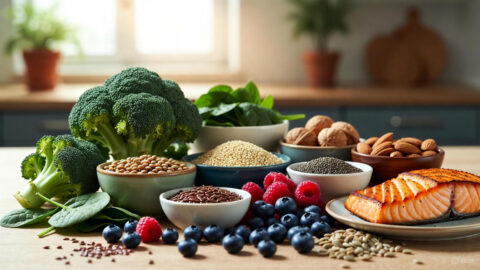
Estrogen balance between 30 and 45 can make the difference between calm clarity and constant chaos for your body, mood, skin, and metabolism. The right everyday foods can gently support estrogen—not by “hacking” your hormones, but by nourishing the systems that naturally regulate them.
Table of Contents
What estrogen balance really means at 30–45
From your early 30s, progesterone often starts dipping sooner than estrogen, creating a state many clinicians call “relative estrogen dominance.” This does not always mean estrogen is sky‑high; it often means estrogen is normal but unopposed, which can drive PMS, heavy periods, breast tenderness, migraines, and stubborn weight around the hips and thighs.
At the same time, chronic stress, poor sleep, ultra‑processed food, and sedentary living slow liver detoxification and gut elimination, so used estrogen is recycled instead of excreted. That is where a targeted estrogen‑smart diet comes in: it supports three pillars—production, metabolism (detox), and receptor sensitivity—so your hormones work with you, not against you.
The science of food‑based estrogen support
Several food groups contain “phytoestrogens” (plant compounds like lignans and isoflavones) that can weakly bind estrogen receptors, sometimes softening peaks and filling in valleys. In low‑estrogen situations, they can have mildly estrogen‑like effects, while in estrogen‑dominant states, they can compete with stronger endogenous estrogen and blunt its impact.
Cruciferous vegetables add a second layer of defence: compounds such as indole‑3‑carbinol and sulforaphane help the liver shuttle estrogen down safer metabolic pathways and enhance elimination. Fibre‑rich seeds, whole grains, and legumes also bind estrogen in the gut, improving excretion and supporting a healthier estrogen profile over time.
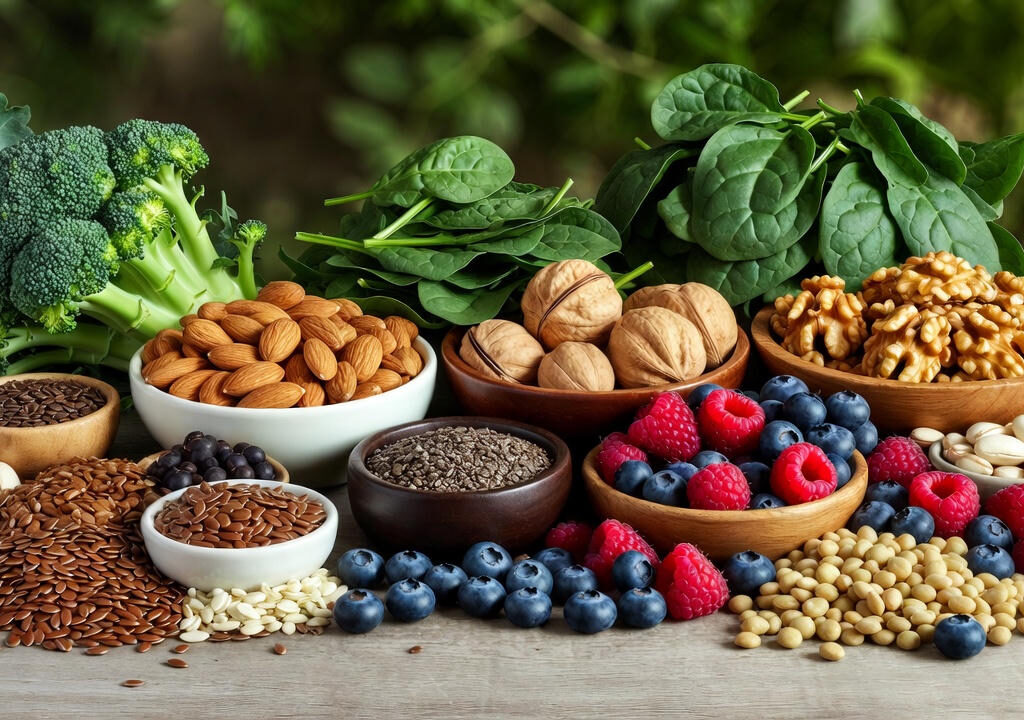
1. Flax seeds: tiny powerhouses for estrogen metabolism
Flax seeds are among the richest natural sources of lignans, a class of phytoestrogens that can meaningfully influence estrogen pathways. Clinical trials show flax supplementation can shift estrogen metabolism toward less biologically active forms without harming bone health, suggesting a favourable safety profile for long‑term use.
- Aim for 1–2 tablespoons of freshly ground flax per day in smoothies, porridge, or curd to maximise lignan absorption and omega‑3 benefits.
- In women 30–45 struggling with PMS, cyclic breast tenderness, or heavy flow, consistent flax intake often pairs well with medical treatment to improve overall hormonal resilience.
2. Soy foods: friend, not foe, for most women
Whole‑food soy (edamame, tofu, tempeh, unsweetened soy yoghurt) provides isoflavones like genistein and daidzein that act as gentle, selective estrogen receptor modulators. Large population studies associate moderate soy intake with reduced risk of breast cancer and improved cardiovascular health, especially when it replaces red or processed meat.
- Opt for minimally processed, organic, where possible: steamed edamame, firm tofu in stir‑fries, or tempeh in salads two to four times weekly.
- If you have a personal or family history of estrogen‑receptor‑positive breast cancer, discuss soy intake with your oncologist rather than self‑restricting based on myths.
3. Cruciferous vegetables: your liver’s estrogen allies
Broccoli, cauliflower, cabbage, kale, mustard greens, and Brussels sprouts contain glucosinolates that convert into indole‑3‑carbinol and DIM (diindolylmethane) during digestion. These compounds enhance phase‑1 and phase‑2 liver detoxification, steering estrogen toward 2‑hydroxy metabolites considered more protective than 16‑hydroxy forms.
- Target at least one to two cups of mixed crucifers most days, lightly steamed, sautéed, or roasted to preserve nutrients but improve digestibility.
- Pair crucifers with a healthy fat source like olive oil or avocado to improve absorption of fat‑soluble vitamins that also support hormone balance.
4. Seeds (sesame, pumpkin, sunflower): cyclical support
Sesame, pumpkin, and sunflower seeds deliver a blend of lignans, zinc, magnesium, vitamin E, and healthy fats that feed hormone production and detox pathways. These seeds also stabilise blood sugar, which is crucial because repeated insulin spikes intensify ovarian androgen production and indirectly disturb estrogen‑progesterone balance.
- Use a seed mix (1–2 tablespoons daily) over salads, soups, or mixed into homemade seed butters for a versatile hormone‑friendly topping.
- Many women pair seeds with flax in a routine sometimes called “seed cycling”; while evidence is still emerging, the nutrient profile itself is consistently beneficial.
5. Leafy greens: magnesium, folate, and estrogen calm
Spinach, fenugreek leaves, amaranth, and kale are rich in magnesium, folate, and vitamin K, nutrients that support adrenal health, nervous system regulation, and healthy estrogen metabolism. Magnesium, in particular, can reduce PMS‑related cramps, headaches, and irritability, making the monthly hormonal rollercoaster more manageable.
- Fill half your plate with mixed greens at least once a day—think palak sabzi, green smoothies, or mixed‑leaf salads with lemon and cold‑pressed oils.
- Pair leafy greens with vitamin‑C‑rich foods like lemon or bell peppers to enhance iron absorption, supporting energy and reducing fatigue linked to heavy periods.
6. Oily fish and omega‑3s: smoothing hormone signalling
Fatty fish such as salmon, sardines, and mackerel supply omega‑3 fatty acids (EPA and DHA) that are integral to cell membrane fluidity and hormone receptor function. Omega‑3s also reduce systemic inflammation, which can otherwise worsen endometriosis pain, pelvic congestion, and PMS mood swings.
- Aim for two servings of low‑mercury oily fish per week, or discuss algae‑based omega‑3 supplements if you are a vegetarian or do not eat fish.
- Combine omega‑3 intake with reduced trans‑fats and refined seed oils to tilt your inflammatory balance in a more hormone‑friendly direction.
7. Fermented foods and gut‑loving fibres
Your gut microbiome plays a decisive role in estrogen clearance via the “estrobolome,” the group of bacteria that produce enzymes affecting estrogen recycling. When dysbiosis or constipation slows transit time, excess estrogen can be deconjugated and reabsorbed, contributing to estrogen‑dominant symptoms.
- Include probiotic‑rich foods such as curd, yoghurt, kefir, sauerkraut, kimchi, or kanji along with prebiotic fibres from onions, garlic, oats, and legumes.
- Hydrate adequately and target 25–30 grams of fibre per day to keep bowel movements regular, supporting elimination of metabolised estrogen.
8. Whole grains and low‑GI carbohydrates
Unrefined grains like oats, quinoa, barley, and brown rice help stabilise blood sugar and insulin, indirectly supporting ovarian hormone balance. Diets high in refined carbs and sugar are associated with more severe PMS, higher androgens, and increased risk of metabolic syndrome during perimenopause.
- Replace white rice or maida‑based products with millets, brown rice, or steel‑cut oats in at least two meals daily, where culturally practical.
- Pair grains with protein (lentils, eggs, tofu, paneer, fish) and healthy fats to slow glucose absorption and keep energy levels steadier across your cycle.
9. Nuts, avocado, and hormone‑building fats
Almonds, walnuts, Brazil nuts, and avocados offer monounsaturated and polyunsaturated fats along with vitamin E, selenium, and trace minerals for hormone synthesis and antioxidant defence. These nutrients support ovarian function, adrenal resilience, and healthy cell membranes, all crucial for optimal estrogen signalling.
- Enjoy a small handful of mixed nuts or a half avocado daily as a snack or salad addition instead of ultra‑processed fried snacks.
- Brazil nuts are particularly rich in selenium, which supports thyroid health; thyroid function and sex hormones are tightly interconnected in women 30–45.
10. Colourful fruits and hormone‑protective antioxidants
Berries, pomegranates, citrus fruits, and stone fruits like peaches supply vitamin C, polyphenols, and in some cases additional phytoestrogens such as lignans. Diets higher in lignan‑rich fruits have been linked with lower breast cancer risk in observational research, though more work is needed in premenopausal women.
- Rotate 2–3 servings of seasonal fruit daily instead of sugary desserts or packaged juices to satisfy sweet cravings while supporting hormone balance.
- Prioritise deeply coloured options—blueberries, black grapes, cherries—since their pigments often correlate with higher antioxidant density.
11. Turmeric, herbs, and anti‑inflammatory extras
Turmeric’s active compound curcumin exerts anti‑inflammatory and mild estrogen‑modulating effects, potentially easing joint pain, pelvic discomfort, and mood symptoms linked to cyclical hormone shifts. Garlic, onions, and certain herbs further support liver detox, improving your body’s ability to process and clear excess estrogen.
- Cook with turmeric, black pepper, ginger, garlic, and herbs daily in traditional curries, golden milk, or herbal teas for a steady anti‑inflammatory background.
- If considering concentrated curcumin supplements, always check for interactions with anticoagulants or other long‑term medications.
Foods that can worsen estrogen imbalance
Some dietary patterns can push estrogen and insulin in the wrong direction and amplify PMS, fibroid growth, or perimenopausal swings. While total restriction is rarely necessary, strategic reduction can create space for the estrogen‑friendly foods discussed above.
- Ultra‑processed foods: packaged snacks, sugary drinks, fast food high in trans‑fats and refined flour.
- Excess alcohol: burdens liver detoxification and impairs safe estrogen metabolism, especially in women with existing fibroids or breast cancer risk.
- Very high added sugar: spikes insulin and promotes central weight gain, worsening hormonal and inflammatory profiles.
One‑day estrogen‑smart sample menu (30–45 yrs)
This is a simple, realistic pattern you can localise to your own culture and preferences while keeping core hormone‑supportive principles intact. Always adjust portions to your energy needs and any medical conditions like diabetes or PCOS.
- Early morning: Warm water with lemon and a pinch of turmeric; a small handful of soaked almonds and walnuts.
- Breakfast: Vegetable upma or besan chilla with grated carrots and spinach; 1 tablespoon ground flax sprinkled on top; side of seasonal fruit.
- Mid‑morning: Plain curd or unsweetened yoghurt with a teaspoon of mixed seeds (pumpkin, sunflower, sesame).
- Lunch: Half plate mixed leafy greens and crucifers (palak, cabbage, broccoli), quarter plate brown rice or millet, quarter plate dal or grilled tofu, salad with lemon and olive oil.
- Evening snack: Roasted chana with green tea or herbal tea; optional small piece of dark chocolate (70% or higher).
- Dinner: Grilled salmon or paneer with stir‑fried cruciferous vegetables, a side of quinoa or barley, and a cucumber‑tomato‑onion salad.
- Bedtime: Golden milk with turmeric and a pinch of nutmeg if tolerated, supporting relaxation and inflammation control.
Smart lifestyle leverages beyond food
Food is powerful, but estrogen balance is also heavily influenced by stress, sleep, and movement across your 30s and 40s. Treat these as non‑negotiable pillars rather than optional extras if you want sustainable hormonal harmony and long‑term vitality.
- Strength training 2–3 times weekly improves insulin sensitivity, supports bone density, and helps regulate estrogen and progesterone.
- 7–9 hours of consistent sleep helps keep cortisol in check; chronically high cortisol disrupts ovulation and progesterone, exaggerating relative estrogen dominance.
- Evidence‑based stress practices—breathwork, yoga, therapy, or mindfulness—support both adrenal health and cycle regularity.
Action steps to take this week
To avoid overwhelm, treat estrogen balance as a series of small, repeatable upgrades rather than an overnight overhaul. Choose two or three steps from this list and embed them into your existing routine before adding more.
- Add 1 tablespoon of ground flax to your breakfast every day.
- Include at least one cruciferous vegetable in either lunch or dinner.
- Swap one refined‑carb meal (white rice/maida) for a whole‑grain version.
- Introduce one fermented food serving daily (curd, yoghurt, or traditional pickle in moderation).
- Schedule strength‑training or brisk walking three times this week, even if just 20–30 minutes.
Pro‑tip for creators and busy professionals: batch‑prep flax‑seed mixes, seed trails, and pre‑cut cruciferous veggies on weekends so hormone‑supportive choices become the fastest options on weekdays.
FAQ: foods that naturally balance estrogen in women 30–45
Q1. Can food alone fix estrogen dominance or PMS?
Food can significantly reduce symptom intensity by improving estrogen metabolism, gut health, and inflammation, but it rarely replaces medical evaluation when cycles are very heavy, painful, or irregular. If you suspect fibroids, endometriosis, PCOS, or thyroid imbalance, consult a gynaecologist or endocrinologist alongside dietary upgrades.
Q2. How long does it take to feel a difference after changing my diet?
Most women notice shifts in energy, bloating, and mood within 4–8 weeks, roughly two menstrual cycles, when they consistently improve fibre, cruciferous vegetables, and healthy fat intake. bigger changes in cycle regularity, skin, or weight may take 3–6 months and should be monitored with a clinician if symptoms are severe.
Q3. Is it safe to eat soy every day for estrogen balance?
For most healthy women, moderate daily soy from whole‑food sources (1–2 servings) is considered safe and may be protective, especially when it replaces processed meats or high‑saturated‑fat animal products. Women with a personal history of hormone‑sensitive cancers should individualise soy intake with their oncology team rather than relying on generic rules.
Q4. Do seed‑cycling protocols really work?
Formal research on seed cycling (rotating flax, pumpkin, sesame, and sunflower seeds with cycle phases) is still limited, but the underlying nutrients—fibre, lignans, zinc, magnesium, and healthy fats—are demonstrably supportive for hormone and metabolic health. Many women report subjective improvements in PMS and cycle ease; use it as a structured way to eat more seeds, not as a stand‑alone treatment for serious disorders.
Q5. Are there women who should not focus on estrogen‑boosting foods?
Women with uncontrolled estrogen‑receptor‑positive cancers, active blood‑clotting disorders, or on certain hormone therapies need personalised guidance before deliberately increasing phytoestrogen intake. In such cases, the emphasis often shifts toward liver-supportive vegetables and gut health, rather than aggressively adding lignan- or isoflavone-rich foods.
1 thought on “Future‑Ready Hormone Harmony: 11 Powerful Foods To Naturally Balance Estrogen (For Women 30–45)”