
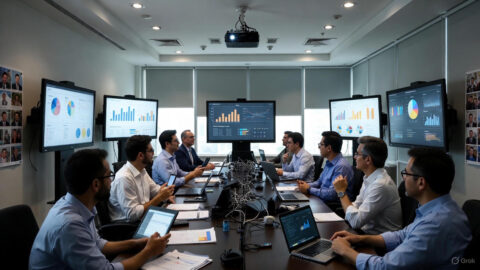
The world of live and digital experiences has undergone a significant shift. In 2026, if you are still using fragmented tools to manage your audience, you aren’t just behind; you are invisible. As an expert management advisor who has guided creators to millions of views and thousands of in-person attendees, I have witnessed the rise and fall of numerous platforms. The difference between a viral, high-ROI gathering and a silent room often boils down to one thing: your event management system.
Table of Contents
Why Strategic Event Management Technology Is the Undisputed Backbone of Every Successful Modern Creator and Global Brand in 2026
In the current creator economy, your ability to orchestrate complex logistics while maintaining a personal touch is what separates the elite from the amateurs who struggle with manual spreadsheets.
Managing a large-scale event—be it a hybrid summit, a local workshop, or a global product launch—requires a sophisticated event management system that acts as the “brain” of your operation. Gone are the days of disparate ticketing apps and manual email lists. Today, top-tier event technology integrates every touchpoint into a seamless, data-rich ecosystem that drives attendee engagement and maximises event ROI.
When you utilise an all-in-one event management platform, you are not just buying software; you are investing in a strategic partner. This partner handles the heavy lifting of event registration, onsite check-ins, and speaker management, allowing you to focus on the high-level event strategy that builds your brand. From my twenty years of experience, the most successful creators leverage automation to scale their impact without scaling their stress levels.
The Unstoppable Evolution of Hybrid Event Formats and How Intelligent Software Bridges the Gap Between Physical and Digital Worlds Perfectly
In 2026, the distinction between “online” and “offline” has blurred into a unified experience where geography no longer limits your reach or your revenue potential.
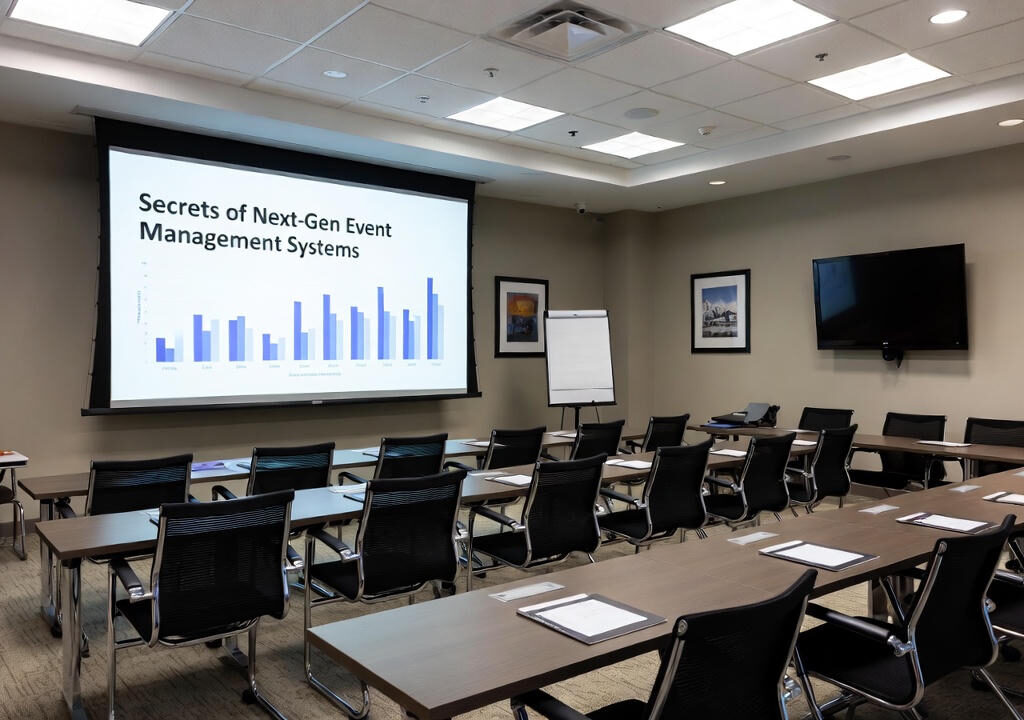
The most successful events this year are hybrid events. These are not just livestreams; they are dual-track experiences managed through a robust event management system. To pull this off, you need event software that can handle real-time live streaming while simultaneously managing onsite event logistics like room allocation and badging.
A high-quality event planning platform ensures that your virtual attendees feel just as valued as those in the front row. Features like AI-powered matchmaking and 3D immersive environments are no longer luxuries—they are the standard. By integrating virtual event management tools, you can offer unmatched networking opportunities that transcend physical borders, turning a local gathering into a global movement.
Harnessing the Raw Power of Artificial Intelligence and Predictive Analytics to Create Deeply Personalised Experiences for Every Single Event Attendee
Hyper-personalisation is the new currency of the event industry, and AI-driven systems are the only way to deliver it at scale to thousands of people.
Modern event management systems now feature AI-powered planning tools that analyse historical event data to predict what your audience wants before they even know it themselves. Imagine a system that automatically adjusts your event schedule based on real-time attendee behaviour or sends personalised email drafts to different segments of your audience.
This level of hyper-personalisation is what drives a high Net Promoter Score (NPS). When an attendee receives a custom-curated agenda via your mobile event app, they feel seen. As a consultant, I’ve seen this lead to a 40% increase in retention for annual conferences. Using predictive analytics allows you to move from a reactive stance to a proactive one, ensuring every session planning decision is backed by cold, hard facts rather than gut feelings.
Transforming Traditional Event Ticketing Into a Seamless and Secure Revenue Engine Using Universal Mobile Solutions and Advanced Blockchain Verification
Security and convenience are the twin pillars of modern registration, ensuring that your first touchpoint with an attendee builds immediate trust and lasting brand loyalty.
The event registration process is the “front door” of your brand. In 2026, we will have moved entirely away from physical box offices to universal mobile ticketing. A secure event management system uses encrypted platforms to prevent fraud and ensure that event ticketing is a frictionless experience.
For high-demand creators, waitlist management and tiered ticket types (VIP, student, sponsor) are essential features. By integrating your event marketing software with your ticketing system, you can track conversions in real-time and adjust your event marketing plan on the fly. This integration ensures that every dollar spent on search engine optimisation or social media ads is tracked directly to a confirmed registration.
Building Sustainable and Purpose-Driven Events That Resonate With Conscious Audiences While Reducing Your Carbon Footprint Through Innovative Digital Solutions
Sustainability is no longer a choice—it is a core expectation for modern audiences who demand that their favourite creators lead the way in environmental responsibility.
The industry has pivoted toward sustainable event management. A modern event management system helps you achieve this by eliminating paper through digital ticketing and mobile event apps. It also allows you to track and report on your eco-friendly event planning efforts, such as choosing carbon-neutral sites or managing zero-waste events.
When you use digital tools to replace physical handouts, you are not just saving trees; you are gathering better data. Every time someone views a document in your app, you get a data point. This is why event industry insights for 2026 place such a high priority on purpose-driven motives. Your audience wants to know that their attendance contributes to something larger, and your event software should help you tell that story through transparent reporting.
Mastering the Art of Real-Time Engagement Through Gamification and Interactive Mobile Features That Keep Your Audience Hooked From Start to Finish
Attention is the most valuable resource in the world, and your event system must provide the tools to capture and hold it throughout the entire experience.
To keep an audience engaged, you must gamify the experience. The best event management systems have built-in gamification features like leaderboards, treasure hunts, and live polls. These tools encourage attendee participation and make the event feel interactive rather than passive.
A dedicated white-label event app allows you to maintain consistent event branding while providing a hub for real-time audience response. This isn’t just about fun; it’s about data collection. Every interaction in the app provides insights into what content is hitting the mark. If a specific breakout session has high chat message volume, you know that’s a topic to double down on for your next event proposal.
Maximising Your Strategic Event ROI Through Comprehensive Post-Event Analytics and Unified Data Integration Across Your Entire Marketing Ecosystem
The event doesn’t end when the doors close; the real work of conversion and relationship building begins with the data you’ve gathered during the live experience.
As an expert advisor, I always tell my clients: “If you didn’t measure it, it didn’t happen.” A unified event management system connects with your CRM and marketing strategy to provide a 360-degree view of your event ROI. You should be able to see not just how many people showed up, but how many qualified leads were generated and what the long-term member impact was.
Post-event, your system should automate post-event email surveys and generate custom reports for your sponsors. Transparency is what brings sponsors back year after year. When you can show them exact booth impressions and networking activity, you prove your value. This data-driven approach turns a one-time event into a repeatable, scalable business model that can reach millions.
Frequently Asked Questions (FAQ)
1. What is the most important feature of an event management system in 2026? The most critical feature is data integration. Your system must be able to “talk” to your CRM, email marketing tools, and financial software to provide a unified view of your event strategy and ROI.
2. How can I use AI to improve my event planning? AI can be used for intelligent scheduling, generating personalised content, and providing predictive analytics on attendee attendance. It acts as a co-pilot, handling tedious tasks so you can focus on creativity.
3. Are hybrid events still relevant in 2026? Absolutely. Hybrid event management is the standard. It allows you to maximise your global audience reach while still providing the high-touch, in-person experiences that build deep community roots.
4. How does gamification increase attendee engagement? Gamification triggers the brain’s reward system. By offering points for networking, attending sessions, or interacting with sponsors, you transform passive viewers into active participants.
5. How do I choose the right event management platform for a small event? Even for small events, look for a platform that offers mobile ticketing, real-time analytics, and automated communications. Scalability is key—choose a tool that can grow as your audience grows.
Action Plan: Your 5-Step Path to Event Mastery
- Audit Your Current Stack: Identify where your data is getting lost. If you are using more than three different tools to manage one event, it’s time to switch to a unified event management system.
- Define Your North Star Metric: Before you even pick a date, decide what success looks like. Is it revenue, lead generation, or brand awareness?
- Prioritise Mobile-First: Ensure your mobile event app is the central hub for all communications and engagement.
- Leverage AI Early: Use AI-powered planning tools during the pre-event phase to optimise your event schedule and marketing drafts.
- Focus on the “After”: Create a post-event engagement plan that uses your data to nurture the relationships you built during the event.
Conclusion: The Future of Events Is in Your Hands
The transition to sophisticated event management systems is not just a technical upgrade; it is a mindset shift. By embracing event technology, automation, and hyper-personalisation, you are positioning yourself at the forefront of the creator economy. With 20 years of experience, I can tell you that the tools will change, but the need for human connection remains constant. The right system simply makes that connection easier, deeper, and more profitable.
For more insights on scaling your brand, check out these resources on Strategic Event Planning and Event Industry Trends.
1 thought on “7 Mind-Blowing Secrets of Next-Gen Event Management Systems to 10X Your 2026 Engagement”