

Introduction: Why Extended Reality is the Next Big Thing
Extended Reality (XR) is not just a buzzword—it’s a technological revolution blending Virtual Reality (VR), Augmented Reality (AR), and Mixed Reality (MR) into one immersive ecosystem. Businesses, educators, gamers, and healthcare professionals are already experiencing its transformative power.
With XR, you can:
- Explore virtual worlds without leaving your home.
- Overlay digital data on real-world environments.
- Train employees in risk-free simulated scenarios.
- Revolutionize shopping with virtual try-ons.
👉 If you’re wondering whether XR is just hype or a game-changer—stick with me. By the end of this blog, you’ll understand why Extended Reality is the future of human interaction, business innovation, and digital transformation.
Table of Contents
📌 What is Extended Reality (XR)?
Extended Reality is an umbrella term covering AR, VR, and MR technologies.
- Virtual Reality (VR): Fully immersive digital environments (e.g., Meta Quest, HTC Vive).
- Augmented Reality (AR): Digital overlays on the real world (e.g., Pokémon Go, IKEA Place app).
- Mixed Reality (MR): Blends physical and virtual worlds with real-time interaction (e.g., Microsoft HoloLens).
💡 Think of XR as a spectrum of immersive experiences that merge the physical and digital worlds.
🔑 Key Components of Extended Reality
- Hardware: VR headsets, AR glasses, sensors, haptic devices.
- Software: XR platforms, applications, and development kits.
- Connectivity: 5G and cloud computing enabling real-time XR experiences.
- Content Creation: 3D models, simulations, and interactive storytelling.
🌍 Real-Life Applications of Extended Reality
🎮 1. Gaming & Entertainment
- VR headsets transport players into fantasy worlds.
- AR games like Pokémon Go brought millions outdoors.
- Streaming services are exploring XR-powered immersive concerts.
Example: Fortnite hosted a virtual Travis Scott concert with 12.3 million live viewers.
🏥 2. Healthcare & Medical Training
- Surgeons train on 3D holographic models.
- Therapists use VR for phobia treatment.
- AR assists in real-time surgeries with overlayed patient data.
Case Study: Johns Hopkins surgeons performed the first-ever AR-guided spinal surgery in 2020.
🏫 3. Education & Learning
- Virtual classrooms powered by XR foster global collaboration.
- Students explore ancient civilizations or the human body in 3D.
- Teachers use XR for interactive storytelling.
Example: Google Expeditions allowed students to take virtual field trips to Mars, the Great Barrier Reef, and more.
🏗 4. Construction & Architecture
- Architects visualize blueprints in 3D XR environments.
- On-site workers use AR to identify errors before execution.
- Reduces costs by preventing rework.
Read our blog on Active Structure in Construction
🛒 5. Retail & E-Commerce
- Virtual try-ons for clothing, shoes, and cosmetics.
- AR apps let you place furniture in your home before purchase.
Example: IKEA Place app lets users visualize furniture at true scale.
🛡 6. Military & Defense
- Immersive combat training simulations.
- AR displays for soldiers showing maps and navigation in real time.
🏢 7. Workplace & Remote Collaboration
- Virtual meeting rooms with avatars.
- XR-powered digital twins of machines for engineers.
Case Study: Accenture created a “Metaverse Campus” for onboarding employees globally.
📊 Market Growth & Future of XR
- The XR market is projected to reach $345.9 billion by 2030.
- XR adoption in enterprise training will grow by 35% annually.
- By 2035, XR will be as common as smartphones today.
🚀 Benefits of Extended Reality
- Immersive Experiences → Enhances learning, entertainment, and shopping.
- Increased Productivity → Reduces time and errors in industries.
- Remote Collaboration → Breaks geographical barriers.
- Personalized Customer Experience → Try before you buy.
- Safe Training → Risk-free environments for high-risk jobs.
⚡ Challenges in Extended Reality
- High Costs of hardware.
- Motion Sickness and physical discomfort.
- Data Privacy Risks in XR environments.
- Limited Content for real-world use cases.
💡 However, with 5G, AI, and edge computing, these challenges are rapidly diminishing.
🔮 Future Trends in Extended Reality
- Metaverse Integration → Social XR platforms.
- AI + XR Fusion → Smarter, more adaptive environments.
- 5G & Edge Computing → Ultra-low latency XR experiences.
- Wearables Evolution → Lightweight AR glasses instead of bulky headsets.
- Digital Twins → Industries simulating machines, cities, and supply chains.
🏆 Why Extended Reality Matters for Businesses
- Boosts brand engagement with interactive campaigns.
- Cuts training costs by up to 70%.
- Attracts tech-savvy customers with next-gen experiences.
👉 Forward-looking businesses adopting XR early will gain a competitive advantage in the digital economy.
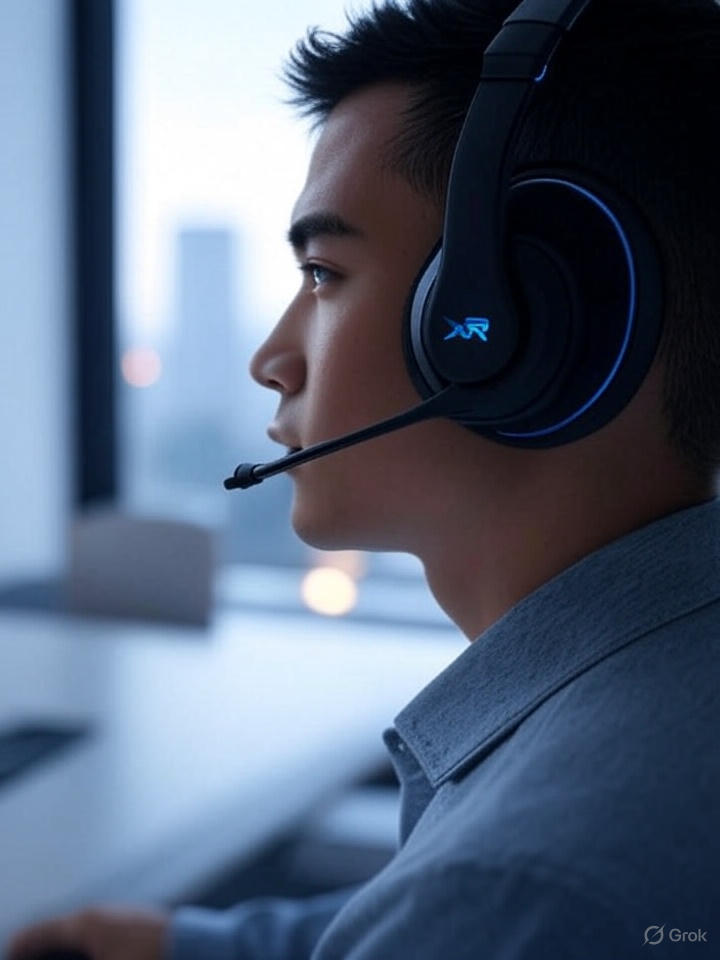
Extended Reality (XR) can act as a friend by offering companionship, emotional support, and opportunities for meaningful social interaction through immersive digital environments and intelligent, empathic agents.
Emotional Support and Empathy
XR systems now include affective computing features that can sense and respond to users’ emotions in real-time, turning the technology into not just an immersive experience, but an adaptive, emotionally intelligent companion. Advanced designs integrate large language models that recognize vocal cues, facial expressions, and physiological signals, enabling XR agents to provide personalized support and therapeutic interventions that feel empathetic and responsive. For instance, XR chatbots and virtual friends have demonstrated effectiveness in improving mental well-being and reducing stress based on users’ reported experiences.
Social Presence and Virtual Friendship
XR platforms such as “Social XR” merge simulated environments with communication tools, letting users choose avatars and interact with others in shared 3D worlds to foster a genuine sense of community. These platforms simulate social gatherings—such as concerts, games, or group adventures—where physical presence is replaced by immersive, interactable representations of friends or new acquaintances. Technologies now allow for photo-realistic 3D avatars, enhancing the feeling of close companionship even at a distance. Social XR also adapts to individual social preferences and can help users discover new friends or avoid isolation by curating supportive virtual communities.
Enhanced Communication and Well-Being
XR goes beyond conversation by improving the quality of interaction, audio, and group presence—supporting collaborative play, teamwork, and shared emotional experiences that are hard to achieve over traditional digital channels. Particularly for people facing physical or social isolation due to health or mobility issues, XR can be transformative: it opens up opportunities for remote access to activities, engagement in virtual communities, and the kind of everyday socialization crucial for mental well-being.
Applications and Future Potential
The most promising use cases include:
- AI-powered virtual friends for mental health management and daily check-ins.
- Group environments simulating social activities, hobbies, or collaborative projects.
- Platforms reducing loneliness and supporting connection among vulnerable groups such as older adults or those with limited mobility.
As the technology matures, XR is poised to play an even larger role as a loyal “friend,” dynamically adapting to users’ changing needs, supporting their emotional health, and fostering authentic, shared experiences in the digital world.
❓ Frequently Asked Questions (FAQ)
Q1. Is Extended Reality the same as Virtual Reality?
No. XR includes VR, AR, and MR, making it a broader concept.
Q2. What industries use Extended Reality the most?
Healthcare, education, gaming, retail, construction, and defense.
Q3. Is XR expensive for businesses?
Initial investment is high, but long-term savings (training, rework, customer experience) make it cost-effective.
Q4. What’s the future of XR?
XR will become mainstream, with AR glasses replacing smartphones in the next decade.
Q5. Can XR help small businesses?
Yes! Even small businesses can use AR for product visualization and digital marketing.
📝 Conclusion: The Promise of Extended Reality
Extended Reality is more than futuristic tech—it’s a transformational bridge between the digital and physical worlds. From gaming to medicine, retail to education, XR is reshaping how we live, work, and interact.
Businesses adopting XR today aren’t just innovating—they’re future-proofing their success.
👉 So, whether you’re a tech enthusiast, business leader, or curious learner, Extended Reality is your gateway to a smarter, immersive tomorrow.
Thanks for sharing. I read many of your blog posts, cool, your blog is very good. https://accounts.binance.info/es/register-person?ref=RQUR4BEO
Your point of view caught my eye and was very interesting. Thanks. I have a question for you. https://www.binance.com/es-AR/register?ref=UT2YTZSU