
Introduction: A New Era of Green Energy Technology
In today’s world, green energy technology is no longer an option—it’s a necessity. As climate change accelerates and natural resources face depletion, we stand at the cusp of a monumental shift toward renewable energy, energy efficiency, and sustainable development. Advancements in solar power, wind energy, energy storage, and smart grids are not only transforming industries but also redefining daily life.
This blog explores the most powerful green energy innovations, how they contribute to reducing the carbon footprint, and the role of eco-friendly solutions in creating a cleaner, smarter, and more resilient future. Whether you’re an industry leader, policymaker, or eco-conscious citizen, understanding how green energy technology works is key to becoming part of the solution.
Table of Contents
✅ Section 1 – What is Green Energy Technology?
Green energy technology refers to innovative solutions and systems that harness renewable resources like sunlight, wind, water, and geothermal heat to generate clean and sustainable power. Unlike fossil fuels, these energy sources produce little to no harmful emissions, helping combat climate change and reduce environmental degradation.
Key Features:
- Renewable energy sources that are abundant and replenishable
- Energy efficiency solutions that minimize waste
- Smart grids that optimize power distribution
- Advanced energy storage for reliability
- Electric vehicles that reduce fossil fuel dependence
Why It Matters:
- Reduces carbon footprint
- Supports sustainable development
- Promotes environmental conservation
- Encourages green innovation
✅ Section 2 – Top Green Energy Sources
1. Solar Power – Harnessing the Sun’s Unlimited Energy
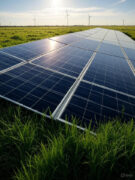
Solar power remains the backbone of green energy technology. Photovoltaic panels and concentrated solar power systems capture sunlight and convert it into electricity.
Benefits:
- Abundant and widely available
- Reduces dependency on fossil fuels
- Scalable from rooftop panels to utility-scale solar farms
Use Cases:
- Residential energy systems
- Commercial buildings
- Remote off-grid areas
2. Wind Energy – Power from the Air
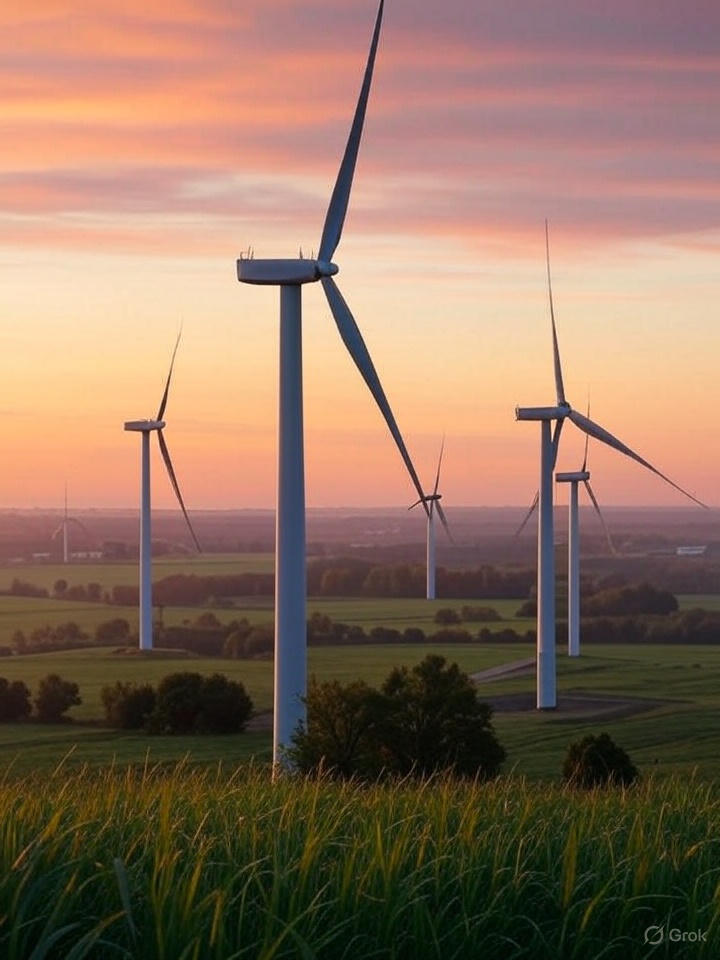
Wind energy is one of the fastest-growing renewable sources globally. Turbines convert kinetic energy from wind into usable electricity.
Benefits:
- No fuel costs
- Low operating costs
- Can be deployed offshore or onshore
Use Cases:
- Large-scale wind farms
- Small wind turbines for rural electrification
3. Hydropower – Turning Water into Energy
Hydropower harnesses the kinetic energy of flowing or falling water to generate electricity. It’s one of the oldest renewable sources.
Benefits:
- Reliable and consistent power generation
- Supports irrigation and flood control
- Enhances regional development
Use Cases:
- Dams and reservoirs
- River-based micro-hydro projects
4. Geothermal Energy – Heat from the Earth
Geothermal energy taps into heat from beneath the Earth’s surface for heating, cooling, and power generation.
Benefits:
- Sustainable and environmentally friendly
- Reduces heating and cooling costs
- Provides base-load power unaffected by weather
Use Cases:
- Residential heating systems
- Industrial processes
- Geothermal power plants
✅ Section 3 – Energy Storage: The Backbone of Reliability
Energy storage solutions such as lithium-ion batteries, pumped hydro, and thermal storage are critical for balancing supply and demand.
Benefits:
- Stores excess power from renewable sources
- Provides backup during outages
- Supports electric vehicles and grid stability
Innovations:
- Smart batteries that learn energy patterns
- Flow batteries for large-scale storage
- Compressed air systems for energy retention
✅ Section 4 – Smart Grids and Power Management
Smart grids integrate advanced sensors, communication systems, and AI-driven algorithms to manage power flow efficiently. They enhance energy efficiency by predicting demand, reducing waste, and improving fault detection.
Key Advantages:
- Optimizes energy efficiency
- Enables demand response programs
- Supports distributed energy resources
- Integrates electric vehicles seamlessly
Future Outlook:
The evolution of smart grids will lead to a more resilient, automated, and consumer-friendly energy ecosystem.
✅ Section 5 – Electric Vehicles: Driving Toward a Cleaner Future
Electric vehicles (EVs) are a cornerstone of reducing emissions and fossil fuel consumption.
Why EVs Matter:
- Zero tailpipe emissions
- Lower operating and maintenance costs
- Reduced carbon footprint
Supporting Infrastructure:
- Fast-charging networks
- Integration with solar power and energy storage
- Policies promoting net zero emissions
✅ Section 6 – Tackling Climate Change with Green Energy
Green energy technology plays a pivotal role in addressing climate change by:
- Lowering greenhouse gas emissions
- Reducing reliance on coal and oil
- Promoting sustainable urban planning
- Advancing eco-friendly solutions across sectors
The transition to renewables is key to meeting global climate goals and protecting ecosystems.
✅ Section 7 – Policy, Investment, and Community Action
Governments, businesses, and individuals must collaborate to accelerate energy transition.
Effective Strategies:
- Incentives for renewable energy adoption
- Grants for green innovation
- Public-private partnerships
- Education campaigns promoting environmental conservation
Case Studies:
- Cities achieving net zero emissions
- Companies investing in clean energy infrastructure
- Community-driven solar initiatives
✅ Section 8 – Future Trends in Green Energy Technology
The next decade promises groundbreaking advancements in:
- Artificial intelligence for predictive maintenance
- Smart appliances integrating with smart grids
- Blockchain-powered energy trading platforms
- Hydrogen fuel technologies
- Enhanced power management systems
✅ Conclusion: Empowering a Sustainable Tomorrow
Green energy technology is more than an innovation—it’s a movement toward a healthier planet, smarter energy use, and sustainable living. As renewable energy sources like solar power, wind energy, and hydropower gain traction, supported by energy storage and electric vehicles, the global transition toward clean, efficient, and future-ready infrastructure is well underway.
By embracing green innovation, reducing our carbon footprint, and prioritizing environmental conservation, we are empowering communities, industries, and nations to build a resilient and thriving energy ecosystem.
The future is green, smart, and efficient—and it starts with the choices we make today.
Can you be more specific about the content of your article? After reading it, I still have some doubts. Hope you can help me. https://accounts.binance.info/register-person?ref=IHJUI7TF