
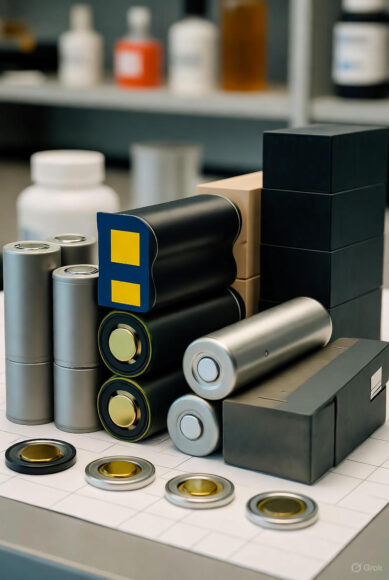
- INTRODUCTION : New Storage Material for Energy — In a world racing toward electrification and renewable power, energy storage has become the lifeline of modern progress. Whether it’s electric cars, solar farms, wind turbines, or smartphones—everything depends on how efficiently we store energy. But here’s the issue: our current storage technologies are reaching their limits. To move forward, we need new, more powerful, safer, and sustainable storage materials. And that’s exactly what science is working on today.
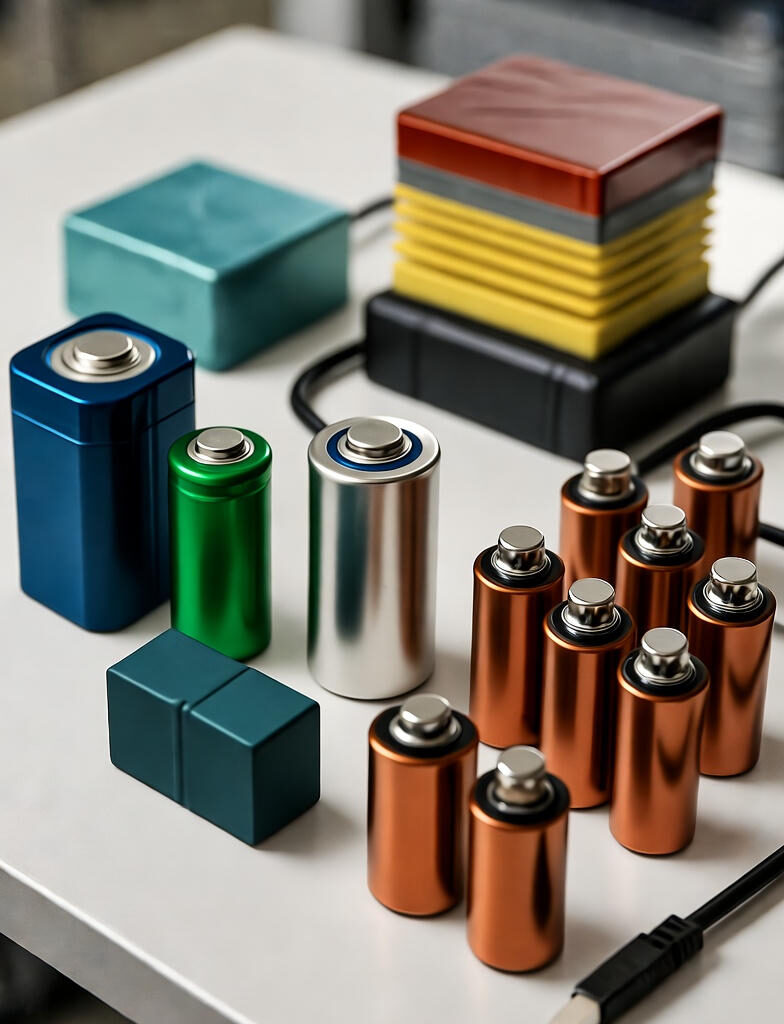
Understanding Energy Storage
What Is Energy Storage?
Energy storage simply means capturing energy for use when needed. This could be storing sunlight from the daytime to power homes at night or storing electrical energy in batteries for portable devices.
Traditional Storage Methods
For decades, energy storage relied mainly on:
-
Lithium-ion batteries
-
Lead-acid batteries
-
Capacitors
-
Pumped hydro systems
These systems support everything from laptops to city-scale power grids.
Limitations of Conventional Solutions (New Storage Material for Energy)
However, these older systems face issues:
-
Limited lifespan
-
Slow charging speed
-
Safety risks (like overheating)
-
Environmental impact
-
Rare earth material shortages
That means the world needs something better—something smarter.
The Need for Better Storage Materials
Renewable Energy Dependency
Solar and wind energy aren’t constant. The sun sets, and wind slows. Without efficient energy storage, renewable energy can’t power the world reliably.
Efficiency & Sustainability
Modern industries require:
-
Faster charging
-
Long-lasting storage
-
Low environmental footprint
The Storage Revolution
This is where new materials enter the scene—materials that can store more energy, last longer, charge faster, and cause less harm to nature.
Emerging Breakthrough: New Storage Materials(New Storage Material for Energy)
1. Solid-State Materials
Solid-state batteries replace liquid electrolytes with solid ones.
How Solid-State Technology Works
Energy flows through a solid conductive material instead of flammable liquid.
Advantages
-
Higher energy density
-
No fire risk
-
Longer lifespan
These batteries are expected to revolutionize electric cars and consumer electronics.
2. Graphene-Based Storage
Graphene is a one-atom-thin sheet of carbon, stronger than steel and more conductive than copper.
Why Graphene Is Revolutionary
-
Ultra-fast charging
-
Longer battery life
-
High capacity
-
Lightweight design
Graphene offers smartphone charging in seconds—not hours.
3. Metal–Air Batteries
Metal–air batteries use oxygen from the air as a reactant.
Key Benefits
-
Extremely high energy density
-
Much lighter than lithium batteries
-
Ideal for electric vehicles and aerospace tech
4. Organic Polymer Batteries
Made from carbon-based organic materials instead of metals.
Why This Matters
-
Non-toxic
-
Biodegradable
-
Sustainable
-
Lower environmental damage
This is the future of green batteries.
Nanotechnology in Energy Storage(New Storage Material for Energy)
Nanotechnology enhances battery performance by redesigning electrode structure at microscopic levels.
Benefits
-
Quicker charging
-
Greater energy storage efficiency
-
Longer battery lifespan
-
Reduced performance decay
Nano-batteries are already being prototyped in labs worldwide.
Real-World Applications(New Storage Material for Energy)
Electric Vehicles
New storage materials can:
-
Increase driving range
-
Reduce charging time
-
Lower battery replacement cost
Solar & Wind Storage
Better storage means:
-
Stable power supply
-
Less reliance on fossil fuels
Consumer Electronics
Imagine:
-
Phones that last 7 days
-
Laptops that run without charging daily
-
Wearables that charge in minutes
This isn’t sci-fi — it’s the future being built now.
Challenges Ahead(New Storage Material for Energy)
Despite breakthroughs, real progress needs overcoming barriers:
-
High initial production cost
-
Industrial-scale manufacturing challenges
-
Need for global safety standards
But like all major technological revolutions—it’s just a matter of time and innovation.
The Future of Energy Storage Materials
The next decade will likely witness:
-
Electric cars charging in under 5 minutes
-
Homes running entirely on renewable energy
-
Personal devices lasting days on one charge
Energy storage is entering a new age—and these new materials are leading the way.
Conclusion(New Storage Material for Energy)
The journey toward cleaner, smarter, and more efficient energy storage has already begun. New storage materials like solid-state electrolytes, graphene, metal–air systems, and organic polymer batteries are shaping a powerful future where energy is safer, greener, and more reliable. As innovation continues, the world is stepping closer to a sustainable energy revolution powered by breakthrough materials.
FAQs(New Storage Material for Energy)
-
What is the main purpose of developing new energy storage materials?
To improve efficiency, safety, lifespan, and sustainability of energy storage systems. -
Why is graphene important in new battery technology?
Graphene offers ultra-fast charging and higher energy capacity. -
Will new storage materials make electric vehicles more affordable?
Yes, as manufacturing scales and efficiency increases, overall EV cost will drop. -
Are organic polymer batteries safe for the environment?
Yes, they are biodegradable and non-toxic compared to metal-based batteries. -
When will solid-state batteries become mainstream?
Many companies expect large-scale release within 3–7 years.
Real-World Case Studies
Case Study 1: Toyota’s Solid-State Battery Roadmap(New Storage Material for Energy)
Industry: Electric Vehicles
Challenge: Current EV batteries take too long to charge and degrade over time.
Action Taken: Toyota invested heavily in solid-state batteries, replacing liquid electrolytes with solid ones to improve energy density and durability.
Results:
-
Batteries expected to charge in 10 minutes or less.
-
Vehicle range projected to increase by 20-30%.
-
Enhanced safety due to non-flammable materials.
Impact:
This development could make EVs cheaper, safer, and more reliable, accelerating global EV adoption.
Case Study 2: Samsung’s Graphene Battery for Smartphones(New Storage Material for Energy)
Industry: Consumer Electronics
Challenge: Users want faster charging without overheating or battery damage.
Action Taken: Samsung developed a graphene-based battery prototype capable of holding more energy while maintaining stability.
Results:
-
Charging speed improved by up to 500% compared to lithium-ion.
-
Battery lifespan increased significantly.
-
Overheating risks were reduced.
Impact:
Smartphones may soon charge in less than 20 minutes, transforming daily device usage.
Case Study 3: Tesla’s Megapack for Renewable Energy Storage(New Storage Material for Energy)
Industry: Renewable Energy Grid
Challenge: Solar and wind power are inconsistent, making grid reliability difficult.
Action Taken: Tesla deployed large-scale lithium and polymer-based energy storage Megapacks to store renewable energy in bulk.
Results:
-
Cities can now run on stored solar power at night.
-
Peak hour energy costs dropped by 20-45% in several regions.
-
Reduced reliance on coal and gas-based plants.
Impact:
Whole regions can now shift to clean energy without worrying about supply breaks.
Actionable To-Do Steps for Businesses, Researchers & Governments(New Storage Material for Energy)
For Businesses
-
Invest in R&D partnerships with battery and material science labs.
-
Start pilot testing new storage materials in small-scale products.
-
Shift supply chain planning toward sustainable and scalable raw materials.
-
Adopt energy auditing systems to understand where new batteries have the most impact.
For Researchers(New Storage Material for Energy)
-
Focus on material stability and safety testing, not just higher capacity.
-
Publish findings in open-access journals to accelerate global collaboration.
-
Explore hybrid systems that combine benefits of multiple materials (e.g., graphene + polymer systems).
For Governments & Policy Makers
-
Provide tax incentives for clean battery manufacturing.
-
Set up national energy storage policies supporting renewable integration.
-
Fund university–industry collaboration programs.
-
Create certification & safety standards for next-gen storage technologies.
Actionable To-Do Steps for Everyday People(New Storage Material for Energy)
Even individuals can contribute to the energy storage transition:
| Action | Impact |
|---|---|
| Switch to energy-efficient appliances | Reduces total grid load |
| Choose devices with longer battery lifespans | Reduces e-waste |
| Support brands developing sustainable batteries | Creates market demand |
| Install home solar with battery backup (if possible) | Reduces power bill + carbon footprint |
| Learn to recycle batteries properly | Protects soil & groundwater |