
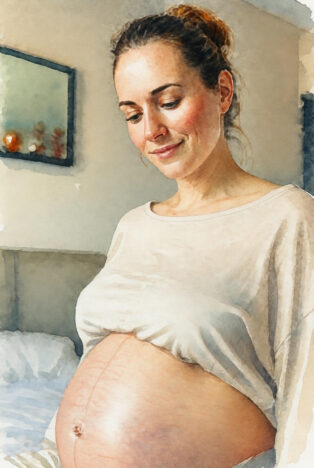
Becoming a mother reshapes every layer of your life, including how your postpartum belly looks, feels, and heals. A smart, kind, evidence-informed postpartum belly healing routine focuses on deep core recovery, pelvic floor strength, posture, nutrition, and rest so your body can feel supported rather than pressured into “bouncing back.”
Table of Contents
Understanding your postpartum belly
In the weeks after birth, hormones, stretched skin, fluid shifts, and relaxed ligaments all influence how your postpartum belly looks and how quickly it changes. Many mothers also experience diastasis recti, a separation of the abdominal muscles that can cause a domed or squishy belly, core weakness, and low back discomfort until it is gradually rehabilitated.
Instead of chasing snap-back timelines on social media, think of postpartum belly healing as a 6–12 month core restoration project that you approach with curiosity and compassion. This realistic mindset helps reduce anxiety, supports body image, and keeps you consistent with a gentle routine that fits your new-mom energy and schedule.

Core principles of safe healing
A safe postpartum belly healing routine starts with medical clearance, especially if you had a Cesarean birth, heavy bleeding, complications, or severe pelvic pain. Most guidelines suggest beginning with very gentle breathing and pelvic floor work within days, then gradually layering in more load, impact, and intensity over weeks and months as your body adapts.
Prioritise three pillars: deep core activation, pelvic floor rehabilitation, and alignment in daily movements like lifting, feeding, and baby-wearing. These pillars support the abdominal wall from the inside out, helping address diastasis recti, leaking, and back pain while also smoothing the visual appearance of your postpartum stomach over time.
Diastasis recti and why it matters
Diastasis recti happens when the rectus abdominis muscles (the “six-pack”) separate along the midline to make space for your growing baby. After birth, this gap often remains for a while, showing up as a bulge or doming when you sit up, cough, or strain and can contribute to poor core stability if not addressed.
Research shows that structured deep core stability programs can reduce this separation and improve the quality of life for postpartum women. Working with a pelvic floor or women’s health physiotherapist, where available, can give you a tailored plan and a hands-on assessment of your abdominal wall, breathing mechanics, and posture.
Breathwork: activating your deep core
Your postpartum belly healing routine begins with your breath, because the diaphragm, pelvic floor, and deep abdominal muscles work together as one unit. Diaphragmatic breathing helps restore that coordination, reduces pressure pushing outward on a healing abdominal wall, and prepares your body for later, more demanding exercises.
Lie on your back with knees bent, one hand on your rib cage and one on your lower belly, and inhale slowly through your nose to expand the ribs sideways rather than up toward the shoulders. As you exhale, gently draw your lower belly inward, as if zipping up snug jeans, without forcefully sucking in—this subtle activation is a core stability “switch” you will reuse in every movement all day.
Pelvic floor: the foundation of your core
The pelvic floor forms the bottom of your core canister, and pregnancy plus birth can leave it weak, tight, or uncoordinated. Targeted pelvic floor work can improve bladder control, support your organs, and create a more responsive foundation for your postpartum belly healing exercises.
Many mothers are told only to “do Kegels,” but evidence suggests that combining relaxation, full-range contractions, and integration with breath is more effective. When you inhale, let your pelvic floor soften, and when you exhale, gently lift and engage it, pairing this with the same deep abdominal activation you practised in your breathing drills.
Gentle early-core exercises (doctor-approved)
Once your provider gives you the green light, you can add low-load, diastasis-recti-safe core work that does not create doming, strain, or pain. Movements such as pelvic tilts, heel slides, and marching in place on your back can be progressed gradually as your core connection improves and your body feels more stable.
Clinical protocols emphasise quality over quantity: small ranges of motion, slow tempo, and conscious breathing yield better results than forcing advanced moves too soon. If you notice your belly pushing out like a cone or your back arching excessively, reduce the range, regress the exercise, or consult a physiotherapist for technique corrections.
When to progress your routine
Your postpartum belly healing routine should feel gently challenging but never punishing or alarming. Signs that you are ready to progress include improved balance, easier transitions in and out of bed, less back heaviness, and the ability to perform basic core moves without doming or discomfort.
Most organisations suggest working up to at least 150 minutes per week of moderate-intensity activity, but the timeline is highly individual after pregnancy and birth. For some mothers, that might mean several short walks and two core sessions per week in the first months; for others, especially after a Cesarean or complications, progress may be slower and require more professional guidance.
Supportive tools: wraps, bands, and braces
Postpartum belly wraps and abdominal binders can offer a sense of support and can sometimes help with posture and comfort in the early weeks. However, they are not a magic fix; they should complement, not replace, your long-term core strengthening routine and pelvic floor work.
Experts recommend choosing breathable, adjustable wraps and avoiding overly tight compression that makes breathing difficult or increases pelvic floor pressure. If you feel more pressure downward in your pelvis, numbness, or pain when using a binder, loosen it or stop using it and reach out to your care provider for personalised advice.
Daily posture and movement hacks
Every diaper change, feeding session, and stroller walk is a chance to support or strain your healing core. Slouching, twisting while lifting the car seat, or holding your breath when picking up your baby can increase pressure on a still-vulnerable abdominal wall.
Try to stack ribs over hips when standing, keep your neck relaxed when feeding, and roll to your side before sitting up in bed instead of jackknifing forward. Exhale gently and engage your deep core as you lift the baby, car seat, or laundry, treating these everyday actions as part of your postpartum belly healing workout.
Nourishing your body for better recovery
Core exercises are only one piece of a postpartum belly healing routine; what you eat and drink also shapes your recovery. Balanced meals rich in protein, fibre, healthy fats, and micronutrients support tissue repair, smooth digestion, and help manage blood sugar and energy swings in the demanding newborn phase.
Staying hydrated is particularly important if you are breastfeeding, because mild dehydration can worsen fatigue, headaches, and constipation. Gentle movement plus adequate fluids and fibre can also reduce bloating, making your belly feel more comfortable even before longer-term structural changes fully unfold.
Sleep, stress, and hormones
Sleep fragmentation, stress, and hormone shifts after birth can influence fat distribution, hunger, and how your body responds to training. Elevated stress hormones and very low sleep can make intense dieting and aggressive workouts counterproductive, increasing exhaustion and slowing recovery.
Your postpartum belly healing routine should respect this hormonal landscape by emphasising rest, realistic expectations, and nervous-system-calming practices like walks, breathwork, and short relaxation breaks. These habits support mood, energy, and consistency, all of which matter more for long-term outcomes than any one “perfect” workout.
Red flags: when to seek help
Some symptoms signal the need for prompt medical or physiotherapy assessment rather than continuing with a self-guided postpartum belly healing program. These include severe or worsening pelvic pain, heavy bleeding, fever, significant wound changes, uncontrolled leaking, or bulging in the vagina that may suggest prolapse.
If you notice that your diastasis recti does not improve, your core feels unstable, or you develop pain with gentle activity, a specialist evaluation can uncover issues like excessive abdominal separation or coordination problems. Early intervention can prevent chronic problems and help you return to the activities you love with more confidence and comfort.
Sample day: gentle healing schedule
A realistic postpartum belly healing routine fits into the small pockets of your day, not the other way around. Think in terms of “mini sessions” that stack over time instead of long, intense workouts that are hard to sustain with an unpredictable baby schedule.
For example, you might begin the morning with five minutes of breathing and pelvic floor activation, add a ten-minute stroller walk later, and finish the day with a short core sequence plus stretching. On tougher days, simply doing a couple of mindful breaths when you sit to feed your baby still counts as showing up for your postpartum belly healing journey.
Tech, communities, and expert support
Digital tools can make your postpartum belly healing routine more engaging and easier to follow. Many mothers enjoy guided core-restoration videos and evidence-informed exercise apps that provide structure without requiring travel to a gym or clinic.
Online communities and virtual sessions with pelvic health professionals can offer encouragement, technique feedback, and accountability when local resources are limited. As with any online resource, choose programs that align with medical guidelines, encourage gradual progression, and respect postpartum realities rather than promoting extreme transformations.
Smart use of external resources
A powerful postpartum belly healing routine blends personalised guidance with curated, trustworthy education. Many clinicians, hospitals, and women’s health organisations publish free postpartum exercise, diastasis recti, and pelvic floor resources to help new mothers navigate this transition safely.
Linking out to reputable organisations such as medical societies, public health services, and large academic hospitals can deepen your understanding of postpartum recovery while filtering out unproven quick-fix claims. Using these backlinks as a reference point ensures that any advanced routines you explore remain anchored in evidence-based recommendations, not trends.
Long-term vision: beyond “getting your body back”
The most empowering shift you can make is to view your postpartum belly healing routine as a long-term investment in strength, mobility, and confidence rather than a countdown to pre-pregnancy jeans. With consistent gentle training, many women notice improved posture, better breathing, less leaking, and a flatter, more functional core over six to twelve months and beyond.
Think about the future you’re lifting a growing toddler, returning to favourite sports, or simply moving through daily life with ease and stability. Healing your postpartum belly now lays the foundation for that strong, vibrant future body, supporting everything from spine health to athletic goals you may want to pursue later.
Action steps: build your routine today
Use this quick checklist to turn information into a personalised postpartum belly healing routine. Adapt each step to your energy levels, birth experience, and medical advice so the plan feels kind, sustainable, and aligned with your real life as a new mother.
- Confirm clearance with your healthcare provider, especially after Cesarean or complications.
- Practice 3–5 minutes of diaphragmatic breathing plus gentle deep-core engagement daily.
- Add coordinated pelvic floor work, focusing on full relaxation and smooth contractions.
- Layer in low-load core exercises that avoid doming or pain, 3–4 times per week.
- Integrate posture and breath into daily lifting, feeding, and baby-carrying.
- Nourish yourself with hydrating, protein-rich meals and realistic rest whenever possible.
- Seek professional support if symptoms persist, worsen, or feel worrying.
Each small, consistent action reinforces your body’s natural capacity for postpartum belly healing and moves you toward a future where you feel stronger, more supported, and deeply at home in your postpartum body.
FAQs: postpartum belly healing routine
1. How long does it take for a postpartum belly to heal?
Many mothers see gradual changes over several months, with more significant core and posture improvements emerging between six and twelve months. The exact timeline depends on factors like genetics, pregnancy changes, delivery type, diastasis recti severity, sleep, stress, and how consistently you follow your postpartum belly healing routine.
2. Can I fully close my diastasis recti?
Some women experience near-complete closure of the gap, while others retain a small, functional separation that does not cause symptoms. Evidence suggests that targeted deep-core and pelvic floor programs can reduce inter-recti distance and improve quality of life, even if the gap does not completely disappear.
3. Are crunches safe after pregnancy?
Traditional crunches and sit-ups often increase pressure on the healing abdominal wall and can worsen doming in the early months after birth. Most experts recommend delaying these moves until your diastasis recti has improved and you can maintain deep-core activation and neutral alignment without bulging.
4. Is a postpartum belly wrap necessary?
A wrap is optional; it may offer short-term support and comfort, but does not replace structured core training. For best results, use a comfortable, breathable wrap alongside your postpartum belly healing routine rather than relying on it as a standalone solution.
5. What if I had a Cesarean section?
Cesarean recovery often requires more caution around incision care, lifting, and early core work. Many practitioners recommend focusing first on breath, gentle walking, and pelvic floor relaxation before gradually introducing specific abdominal exercises once the incision is healing and you have medical clearance.
6. Can breastfeeding affect my postpartum belly?
Breastfeeding can influence hormones that may help the uterus shrink, but it is not a guaranteed fat-loss strategy for the abdominal area. Your postpartum belly healing routine still needs thoughtful movement, nourishment, and rest to support changes in core strength and body composition over time.
1 thought on “Radiant Recovery: Your Gentle, Science-Backed Postpartum Belly Healing Routine”