
Introduction
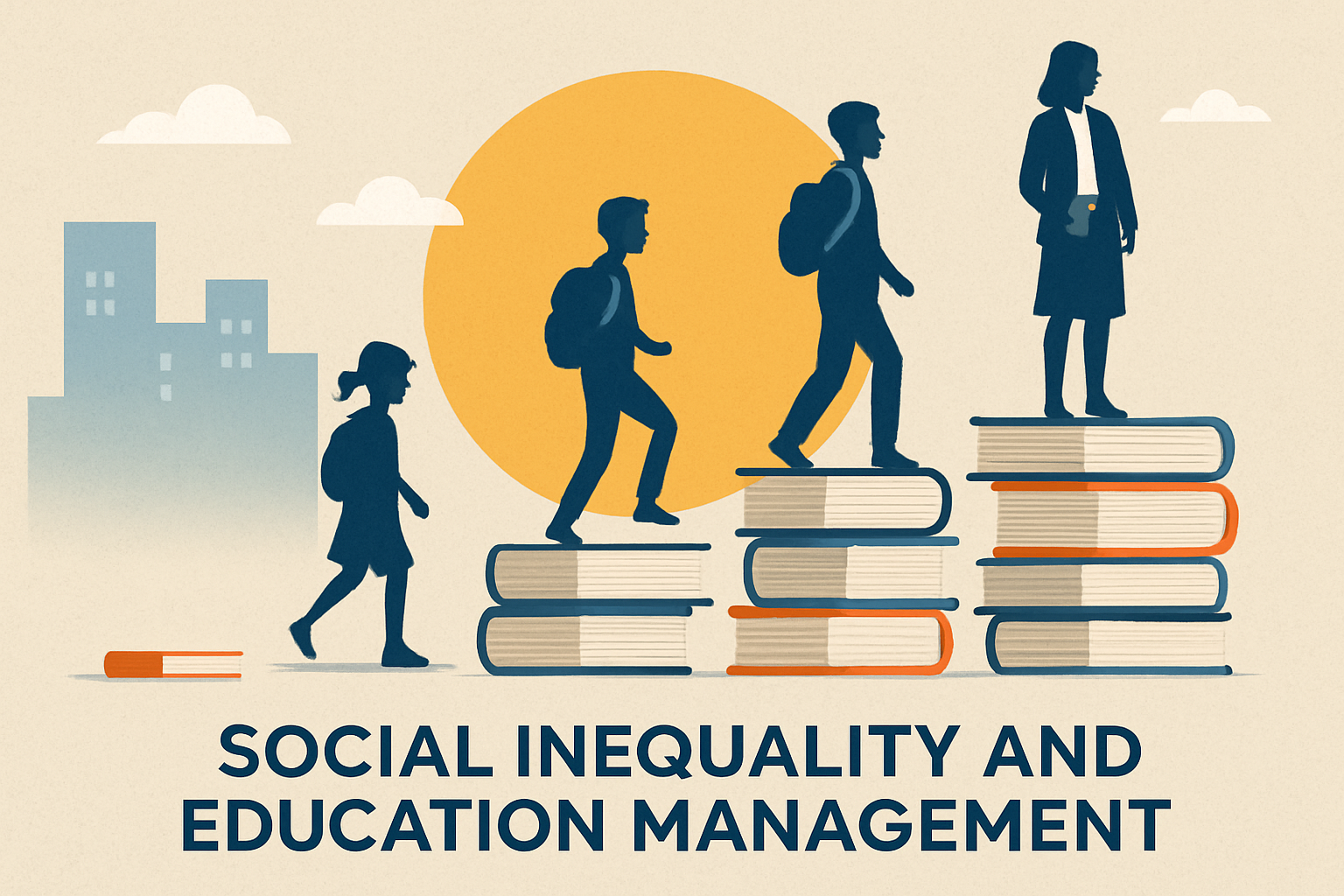
Education is often called the great equalizer. It has the power to break the cycle of poverty, open new opportunities, and give everyone a fair chance at success. But in reality, education is not equally accessible to all.So social inequality and education management is a must.
In many countries, social inequality — differences in income, status, gender, caste, race, or location — creates a huge gap between children who get quality education and those who don’t.
Table of Contents
In this blog, we will explore:
- What social inequality in education means
- How it affects students and society
- Practical education management strategies to reduce this gap
- Real-life examples of success stories
- Steps individuals, communities, and governments can take to create equality in learning
1. Understanding Social Inequality in Education
Definition: Social inequality in education happens when certain groups have better access to quality schooling, resources, and opportunities than others. This could be due to:
- Economic differences – Poor families may not afford books, uniforms, or private tuition.
- Geographical location – Rural areas often lack good schools, trained teachers, and internet access.
- Gender discrimination – In some cultures, girls are discouraged from continuing their studies.
- Caste or race bias – Students may face prejudice that affects their confidence and performance.
- Disability or special needs – Lack of inclusive facilities limits opportunities for children with disabilities.
Example:
Imagine two children born in the same city. One goes to a modern private school with computer labs, sports facilities, and well-trained teachers. The other goes to an underfunded government school with broken desks, outdated books, and no internet. Both are equally talented, but their chances in life will be very different.
2. Why Social Inequality and Education Matters
Education inequality is not just a personal problem; it’s a social and economic issue.
When some children are denied quality education:
- Poverty continues from one generation to the next.
- Unemployment increases because skills don’t match market needs.
- Social tensions grow between different groups.
- The country loses talent and innovation.
Research Insight:
UNESCO reports that if all students in low-income countries left school with basic reading skills, 171 million people could be lifted out of poverty.
3. Causes of Social Inequality in Education
Let’s break down the main reasons this gap exists:
3.1 Economic Barriers
- School fees, uniforms, and books are unaffordable for poor families.
- Children from low-income households often work to support their family instead of studying.
3.2 Quality Gap Between Schools
- Private schools often have better infrastructure and teachers than government schools.
- Rural schools may lack electricity, clean water, or technology.
3.3 Cultural and Social Bias
- Girls may be discouraged from studying beyond primary school.
- Minority groups sometimes face discrimination from peers or teachers.
3.4 Technology Divide
- During the COVID-19 pandemic, online classes were only possible for students with devices and internet — leaving millions behind.
4. The Role of Education Management in Reducing Inequality
Social Inequality and Education Management means planning, organizing, and controlling resources so that learning becomes accessible, fair, and effective for everyone.
Here are key strategies to fight Social Inequality and Education Management through proper education :
4.1 Equal Access for All
Goal: Every child, regardless of background, should have the same chance to attend school.So social inequality and education management should be handled properly.
Actions:
- Build more schools in remote areas.
- Offer free transport for students in rural or unsafe areas.
- Provide free uniforms, textbooks, and meals.
Example:
The Indian government’s Midday Meal Scheme encourages poor children to attend school by offering free lunch, improving attendance and nutrition.
4.2 Teacher Training and Support
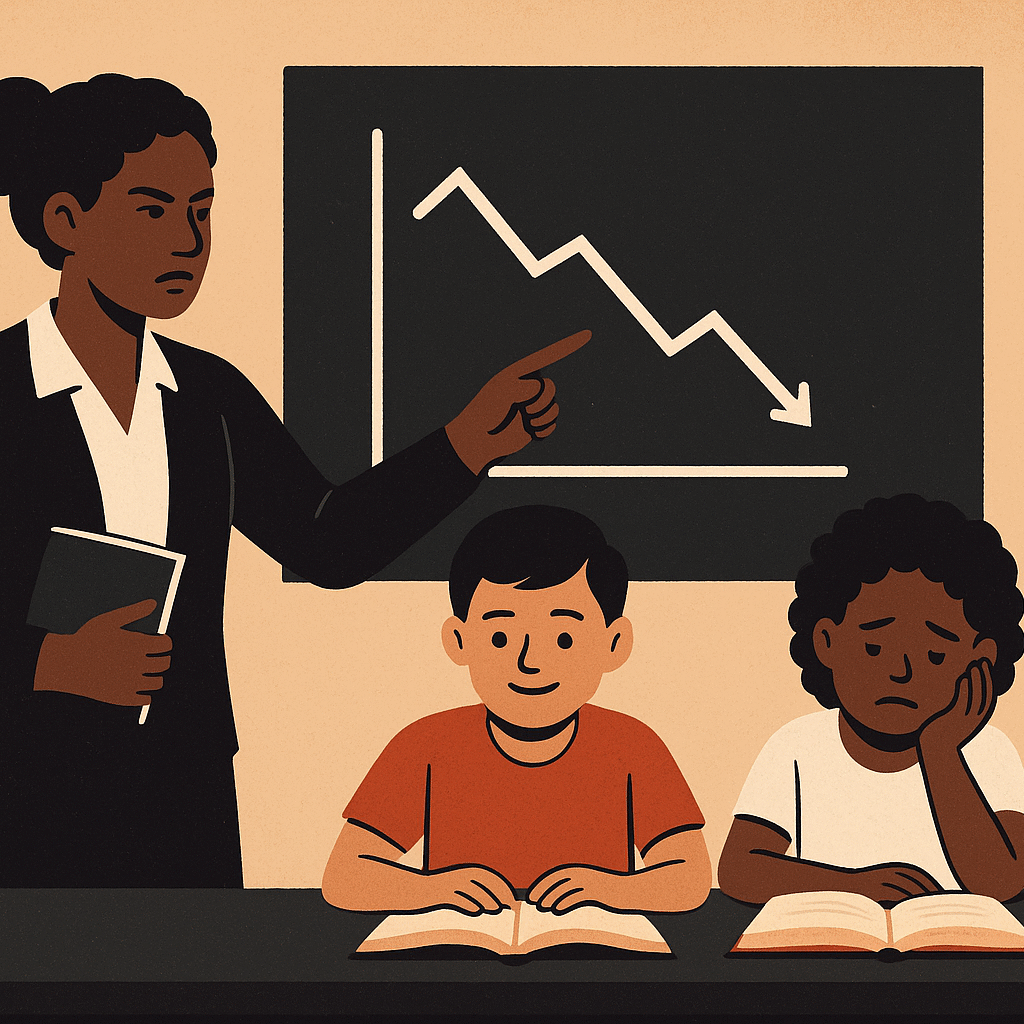
Teachers are the backbone of education. A well-trained teacher can inspire students to achieve more, even in low-resource environments.Hence Social Inequality and Education Management can cause no harm to our society.
Actions:
- Regular teacher training workshops.
- Performance-based incentives.
- Deploy experienced teachers to underprivileged areas.
4.3 Use of Technology to Bridge the Gap
EdTech (Educational Technology) can make learning more accessible:
- Provide low-cost tablets or laptops to students.
- Use recorded lessons for areas with teacher shortages.
- Introduce community learning centers with internet access.
4.4 Inclusive Education for Special Needs
Children with disabilities often face double discrimination. So government must plan realistically over Social Inequality and Education Management
Actions:
- Train teachers in special education techniques.
- Provide ramps, accessible toilets, and assistive technology.
- Create policies to integrate students with disabilities into mainstream classrooms.
4.5 Scholarships and Financial Aid
Actions:
- Government and NGOs should offer scholarships for poor and minority students.
- Zero-interest student loans for higher education.
- Corporate sponsorship programs for talented but underprivileged students.
4.6 Community Participation
When parents and local communities are involved, education becomes more effective.
Actions:
- Create parent-teacher associations in every school.
- Encourage community volunteering for library or skill training programs.
- Organize local fundraising for school development.
5. Global Examples of Reducing Inequality
Finland – Equal Schooling System
- All schools receive the same funding and resources, no matter the location.
- Teachers are highly trained and respected.
- There’s no private school vs. government school divide.
Kenya – Free Primary Education
- The government abolished primary school fees in 2003, leading to a massive increase in enrollment.
Brazil – Bolsa Família Program
- Families receive financial aid if their children attend school regularly.
6. Long-Term Benefits of Reducing Education Inequality
- Economic growth: More skilled workers mean higher productivity.
- Social harmony: Education promotes tolerance and reduces discrimination.
- Better health: Educated people make healthier lifestyle choices.
- Innovation and progress: Equal education allows more people to contribute ideas.
7. Simple Steps Individuals Can Take
Even if you’re not a policymaker, you can make a difference:
- Donate books or devices to underprivileged students.
- Volunteer to teach or mentor in community programs.
- Support NGOs working for education equality.
- Raise awareness about inequality in your network.
Conclusion
Social inequality in education is one of the biggest barriers to a fair and prosperous society.
With good education management, we can ensure that every child — rich or poor, urban or rural, boy or girl — has the chance to learn, grow, and succeed.So Social Inequality and Education Management is crucial inability of our society.
The journey is long, but every action counts.
When we remove barriers to learning, we don’t just change a student’s future — we change the future of our world.
Can you be more specific about the content of your article? After reading it, I still have some doubts. Hope you can help me. https://www.binance.com/cs/register?ref=OMM3XK51
Thank you for your sharing. I am worried that I lack creative ideas. It is your article that makes me full of hope. Thank you. But, I have a question, can you help me?
Thanks for sharing. I read many of your blog posts, cool, your blog is very good. https://accounts.binance.info/es/register?ref=RQUR4BEO