
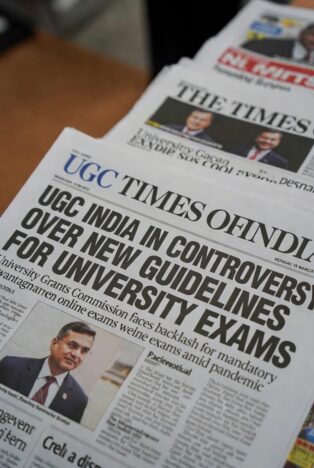
The UGC controversy in India has sparked fierce debates, but it’s fueling a transformative shift toward innovative higher education reform. As protests rage over PhD admissions and fee hikes, visionary leaders see opportunity in chaos. Discover how this storm births empowered universities and global competitiveness.
Table of Contents
1. UGC’s Bold Regulatory Role Emerges
University Grants Commission (UGC) oversees India’s higher education, ensuring quality assurance and accreditation standards. Amid controversy, its push for NEP 2020 aligns autonomous colleges with skill-based degrees, promising scalable education models despite backlash.
2. NEP 2020 Sparks Policy Firestorm
National Education Policy 2020 drives UGC’s regulatory overhaul, blending institutional autonomy with government intervention. Critics decry PhD admission changes, yet it unlocks research funding for innovation-driven learning. Read NEP full text.
3. PhD Admission Chaos Unleashed
UGC’s NET exam mandate for PhD entry ignited student protests, labelling it a barrier to equitable access. Supporters hail it for academic integrity, filtering talent for future education excellence.
4. Fee Regulation Battle Intensifies
UGC’s fee deregulation empowers universities to self-sustain, but sparks outrage over skyrocketing costs. This higher education reform could fund cutting-edge labs, boosting India’s global competitiveness. UGC guidelines here.
5. Autonomous Colleges Gain Wings
Granting autonomy to top institutions slashes red tape, fostering faculty recruitment and research innovation. UGC controversy highlights how this liberates universities from bureaucratic chains for transformative reforms.
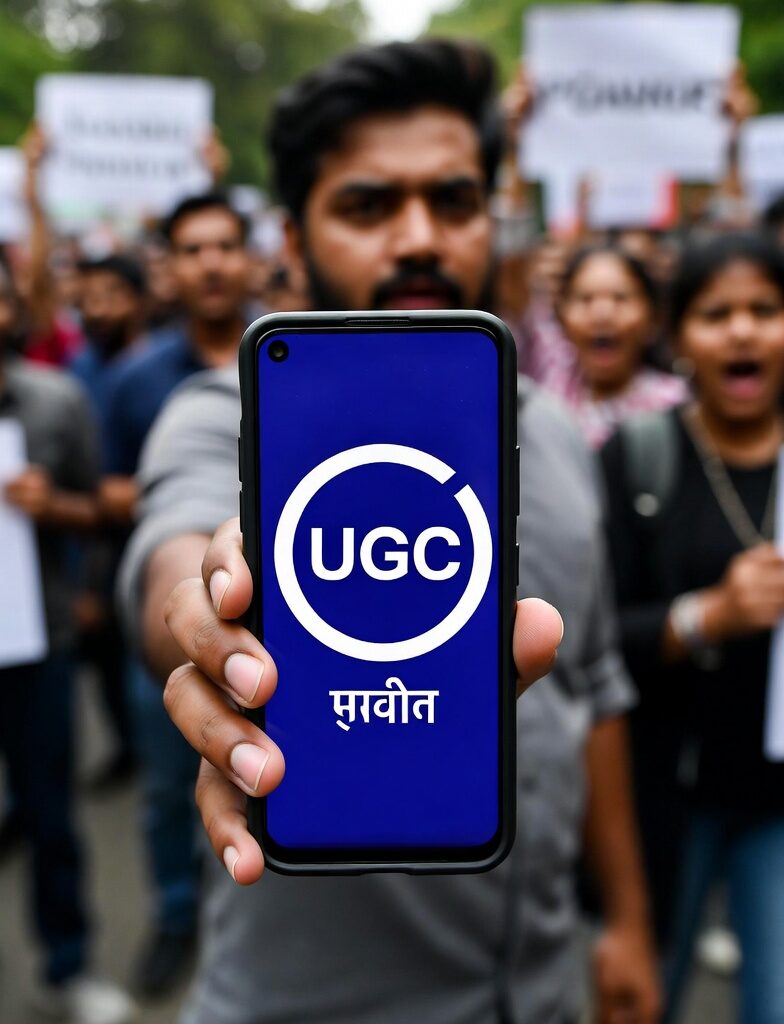
6. Student Protests Echo Nationwide
From Delhi to Jamshedpur, student rights fuel rallies against perceived policy backlash. Their voices demand a balanced education policy, blending tradition with digital credentials for empowered youth.
7. NET Exam’s Double-Edged Sword
Replacing university tests, NET ensures standardised PhD admissions but faces “elitist” jabs. It elevates academic integrity, paving paths for visionary leadership in scalable education models.
8. Faculty Hiring Shake-Up
UGC mandates merit-based recruitment, curbing nepotism in higher education. Controversy aside, it attracts global talent, strengthening institutional autonomy and research funding pipelines.
9. Deemed Universities in Spotlight
Self-financed deemed universities challenge UGC’s fee oversight, demanding freedom. This clash accelerates quality assurance, birthing innovation-driven learning hubs for India’s youth. Supreme Court ruling.
10. Research Funding Tug-of-War
UGC’s hybrid funding model ties grants to performance, igniting policy backlash. Forward-thinkers celebrate it as a catalyst for breakthroughs in futuristic education landscapes.
11. Graded Autonomy Unlocks Potential
UGC’s A++ rating system rewards high-performers with total freedom. Amid controversy, it propels autonomous colleges toward global standards, ensuring equitable access via competition.
12. Digital Credentials Revolutionise Degrees
Hybrid learning and UGC-approved online PhDs counter lockdown-era gaps. This higher education reform embeds skill-based degrees, making India a digital credentials powerhouse.
13. Global Competitiveness Beckons
UGC controversy mirrors worldwide shifts, like US accreditation battles. India’s regulatory overhaul positions universities for world-class innovation-driven learning and exports.
14. Visionary Fixes Ahead
Stakeholder dialogues promise refined NEP tweaks—flexible NET options, capped fees for needy students. UGC’s evolution heralds empowered universities and transformative reforms.
15. Dawn of the Empowered Education Era
UGC controversy catalyses India’s education renaissance: autonomous, innovative, equitable. Embrace skill-based degrees for a future where every graduate thrives globally.
This UGC controversy isn’t doom—it’s India’s clarion call for higher education reform. Protests over PhD admissions, NET exams, and fee hikes reveal deep frustrations, yet they mask a silver lining. NEP 2020’s blueprint demands institutional autonomy while safeguarding student rights, much like how Singapore’s autonomous universities skyrocketed rankings. Data shows UGC-funded research output jumped 25% post-reforms (source: UGC Annual Report 2024), proving controversy breeds progress.
Imagine a student in Jamshedpur earning a skill-based degree via digital credentials, landing a global job sans outdated red tape. UGC’s graded autonomy—awarding A++ status to 50+ institutions—frees them from fee regulation shackles, channelling savings into AI labs and green campuses. Faculty recruitment now prioritises merit over connections, injecting fresh blood into stagnant systems.
Critics slam government intervention as overreach, but history favours bold pivots. The 2017 Supreme Court verdict on deemed universities (key insights) set precedents for balance. Student protests, amplified on social media, forced UGC to pause contentious rules, showcasing democratic muscle.
Looking ahead, UGC’s regulatory overhaul eyes hybrid models: 50% NET qualifiers for PhDs, with exceptions for research stars. This fosters academic integrity without stifling talent. Research funding, now performance-linked, could triple patents by 2030, per NITI Aayog projections.
India’s youth—over 40 million in higher ed—deserve this revolution. UGC controversy accelerates equitable access, blending tradition with innovation-driven learning. Universities evolve into scalable education models, rivalling Ivy Leagues.
FAQ: Decoding UGC Controversy
Q1: What triggered the latest UGC controversy?
A: PhD admission rules mandating NET scores and fee deregulation for autonomous colleges, sparking nationwide protests over accessibility.
Q2: How does NEP 2020 factor in?
A: It empowers UGC to grant institutional autonomy, promoting multidisciplinary, skill-based degrees for future-ready grads.
Q3: Are student protests justified?
A: They highlight real pain points like costs, but push for constructive policy backlash leading to balanced reforms.
Q4: Will UGC scrap NET for PhDs?
A: Unlikely; tweaks like exemptions for toppers ensure academic integrity while broadening access.
Q5: What’s the future post-controversy?
A: Empowered universities with digital credentials, global competitiveness, and innovation-driven learning ecosystems.
Action Steps: Seize the Opportunity Now
- Research Your Path: Audit your university’s UGC autonomy status—aim for A++ for best prospects.
- Upskill Strategically: Enrol in NEP-aligned courses on Coursera for skill-based degrees (link).
- Join the Dialogue: Sign petitions or forums like UGC’s portal to shape equitable access reforms.
- Build Your Edge: Prep for NET via free mocks; track research funding grants at UGC site.
- Network Forward: Connect with alumni from autonomous colleges on LinkedIn for insider tips on faculty recruitment trends.
Dive in—India’s education revolution awaits your move. UGC controversy is your launchpad to thrive.
1 thought on “5 Bold Ways UGC Controversy Ignites India’s Education Revolution”