
1. Introduction – A World Where Machines Can Smell
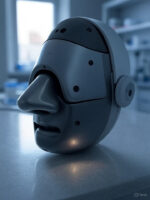
Technology is evolving at a pace where tasks once exclusive to human senses are now achievable by machines. One of the most remarkable advancements is the electronic nose—a device designed to detect and analyze odors, offering innovative solutions across industries.
By harnessing sensor technology, machine learning, and data analytics, electronic noses can process complex odor profiles with unmatched accuracy. Whether it’s identifying diseases through breath analysis, ensuring quality control in packaged food, or monitoring air quality in urban areas, this technology is rewriting the playbook for health, safety, and sustainability.
Table of Contents
2. What is an Electronic Nose? Diving into the Technology
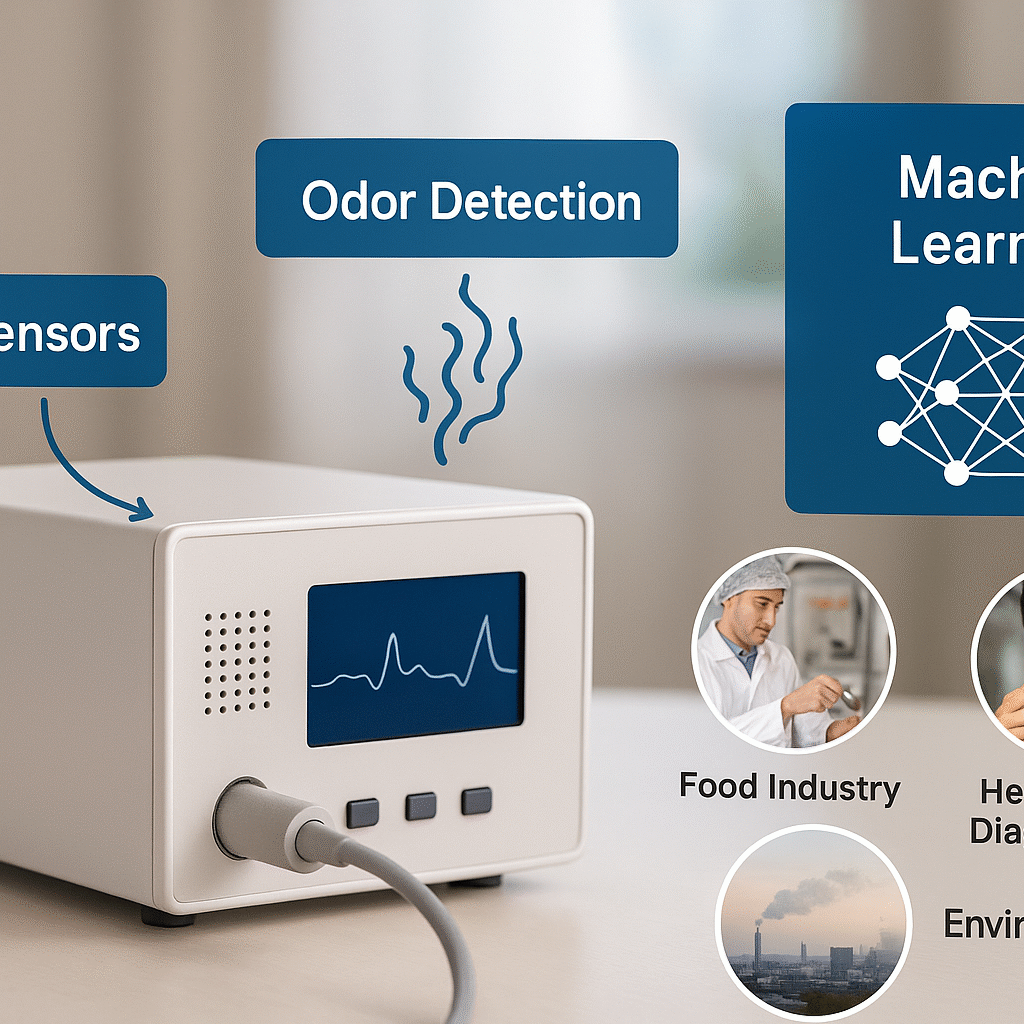
An electronic nose, often referred to as an “e-nose,” mimics the biological sense of smell using an array of chemical sensors. These sensors are sensitive to volatile organic compounds and other molecules responsible for odors.
Core Elements:
- Sensor Array: Detects various chemical signatures.
- Signal Processor: Converts signals into measurable data.
- AI Algorithms: Classifies smells using advanced machine learning models.
- Data Interface: Provides actionable insights through software platforms.
This combination creates a highly responsive, adaptive, and precise tool capable of interpreting odors that humans cannot detect reliably.
3. How Does it Work? The Science Behind Sensing
Here’s a step-by-step guide explaining how an electronic nose functions:
Step 1 – Odor Capture
Air is pulled through a sensor chamber where chemical sensors detect odor particles such as VOCs.
Step 2 – Signal Conversion
The sensors translate chemical reactions into electrical signals, which represent the unique chemical composition of the odor.
Step 3 – Feature Extraction
AI algorithms process the signals and identify patterns that correlate with specific odor profiles.
Step 4 – Learning and Classification
With machine learning, the system learns from past data to improve its accuracy, differentiating between subtle scent variations.
Step 5 – Data Presentation
The results are interpreted and displayed in user-friendly formats for industries to act upon—whether it’s adjusting processes in food production or identifying health risks.
Diagram Description:
A flowchart shows “Odor Detection” leading to “Sensor Array,” then “Signal Processor,” flowing into “Machine Learning Algorithms,” and ending at “Actionable Insights.”
4. Applications of Electronic Nose – Real Impact Across Industries
A. Food Industry – From Freshness to Flavor Enhancement
The food industry is using electronic noses to redefine how we assess product quality:
Quality Control
Spoilage detection helps businesses maintain freshness in dairy, meat, and packaged goods.
Example: A bakery chain in the UK uses electronic noses to test for mold formation in bread before dispatch, reducing waste by 25%.
Flavor Profiling
Food scientists use aroma mapping to create products with consistent taste and smell profiles, ensuring brand reputation.
Example: A beverage company in Italy uses aroma profiling to maintain uniformity in wine fermentation.
Packaging Monitoring
Monitoring for oxygen exposure helps extend shelf life.
Supply Chain Assurance
Real-time odor data ensures that products remain uncontaminated during transit.
B. Healthcare Diagnostics – Smelling Disease Before Symptoms Appear
Electronic noses are transforming the medical field by offering non-invasive and accurate testing solutions:
Breath Analysis
Certain diseases emit biomarkers detectable in breath samples.
Example: Hospitals in Japan have successfully used electronic noses to detect early-stage lung cancer with 92% accuracy.
Disease Monitoring
Diabetes-related acetone levels can be tracked without blood tests.
Safety Systems in Clinics
Hospitals can monitor air for airborne pathogens, enhancing infection control.
C. Environmental Monitoring – Tracking Pollution and Protecting Lives
Monitoring air quality has become essential in combating urban pollution.
Pollution Tracking
Electronic noses can detect industrial gases like carbon monoxide, nitrogen dioxide, and sulfur dioxide at low concentrations.
Example: Smart cities in North America deploy electronic noses at construction sites to monitor emissions and alert workers.
Air Quality Management
Devices measure real-time air conditions in homes, workplaces, and schools.
Emergency Alerts
Hazardous chemical leaks are flagged before causing damage.
D. Industrial Applications – Enhancing Safety and Efficiency
From oil refineries to chemical plants, electronic noses are now a staple for monitoring dangerous environments.
Leak Detection
The early detection of gas leaks prevents disasters.
Process Optimization
Monitoring chemical reactions ensures product quality and minimizes waste.
Regulatory Compliance
Automated reports make meeting safety standards easier.
Example: A mining company in Australia uses electronic noses to detect methane gas leaks, preventing potential explosions.
E. Biotechnology – Accelerating Research and Development
In laboratories, the technology accelerates research with unmatched precision.
Odor Mapping
Allows scientists to trace biochemical reactions.
Biomarker Identification
Helps discover new indicators of disease.
Animal Behavior Studies
Used in veterinary science to understand scent-based communication among animals.
Pharmaceutical Innovation
Assists in drug trials by monitoring metabolic changes.
5. How AI and Machine Learning Amplify Performance
Pattern Recognition
AI models interpret millions of odor patterns, improving classification speed.
Predictive Analysis
Early warnings are possible through trend analysis.
Data Analytics
Automated dashboards transform raw sensor data into insights.
Error Correction
The system continuously self-calibrates, reducing drift and ensuring reliability.
6. Real-World Case Studies
Case Study 1 – Dairy Safety in France
A French dairy company implemented an electronic nose system to monitor spoilage in milk. The system detected early signs of lactobacillus contamination, preventing supply chain disruptions and reducing waste by 28%.
Case Study 2 – Breath Analysis for Diabetes in India
A hospital in Mumbai deployed electronic noses for diabetic patients. By detecting acetone in breath samples, it offered non-invasive monitoring, reducing dependency on finger-prick tests.
Case Study 3 – Pollution Control in Canada
Urban planners used electronic noses at traffic intersections to measure nitrogen oxide levels. The data helped reroute traffic and adjust industrial operations, improving air quality indices by 15%.
Case Study 4 – Flavor Consistency in Japan
A ramen chain employed aroma profiling to ensure each dish retained its signature taste. Customer satisfaction rose by 40% as flavor variation was reduced.
7. Challenges and How They Are Overcome
| Challenge | Impact | Solution |
|---|---|---|
| Sensor Drift | False readings | AI-powered recalibration |
| Complex Odor Mixes | Hard to classify | Larger sensor arrays + machine learning |
| Environmental Noise | Data distortion | Real-time environmental adjustments |
| Data Overload | Slow processing | Cloud-based analytics platforms |
8. Future Trends and Innovations
Integration with IoT
Electronic noses will become part of smart homes, detecting harmful gases and allergens.
Wearable Health Monitors
Devices that continuously monitor breath can predict health issues before symptoms appear.
Cross-Device Learning
Multiple units sharing data will refine accuracy, offering personalized health and environmental monitoring.
Sustainable Practices
From reducing food waste to improving industrial emissions, electronic noses contribute to global ecological goals.
Consumer-Centric Innovations
Tailored flavor and scent profiles will enhance lifestyle products, making personalized consumption mainstream.
9. The Broader Impact on Society and Sustainability
The power of electronic noses extends beyond industry benefits—it fosters healthier living, environmental responsibility, and scientific advancement.
- Reducing Medical Costs: Early disease detection lowers healthcare expenses.
- Fighting Climate Change: Monitoring pollution contributes to cleaner air.
- Improving Food Security: Waste reduction ensures better resource utilization.
- Empowering Innovation: New research paths are opening through data-driven discoveries.
10. Conclusion – Embrace the Future of Sensing
The electronic nose is not just a technological advancement—it’s a beacon of progress, promising safer, healthier, and more sustainable living. By combining sensor technology, artificial intelligence, and machine learning, this tool is enabling industries to enhance quality control, improve healthcare diagnostics, and safeguard air quality.
From detecting spoilage in food supplies to identifying life-threatening diseases early, electronic noses are transforming how we interact with the world. Their potential is boundless, their benefits profound, and their promise of innovative solutions undeniable.
It’s time to embrace this technology, invest in smarter solutions, and build a future where safety, health, and sustainability go hand in hand.
Very Interesting..I didn’t know about this..
Your article helped me a lot, is there any more related content? Thanks!
Can you be more specific about the content of your article? After reading it, I still have some doubts. Hope you can help me.