
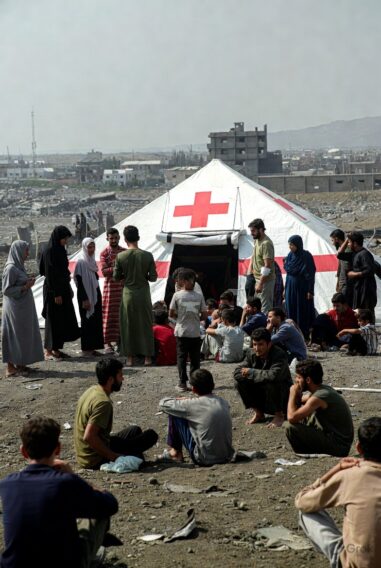
What if the biggest damage of modern war isn’t bombs—but broken bodies, shattered minds, and collapsing health systems? From silent PTSD epidemics to destroyed hospitals, the escalating Iran–Israel–US conflict—marked by missile exchanges, proxy battles in Lebanon and Syria, and U.S. naval involvement as of March 2026—is rewriting the future of human health. Surprisingly, it may also trigger a new era of global healthcare innovation, much like how World War II birthed penicillin mass-production and modern trauma care.
🌍 Introduction: War Is No Longer Just Physical
War today transcends borders, infiltrating cells, psyches, hospitals, and public health infrastructures worldwide. The Iran–Israel–US tensions, intensified by Iran’s nuclear advancements, Israeli airstrikes on Iranian proxies, and U.S. sanctions since late 2025, underscore a brutal reality: Health is the first casualty—and the last to recover.
Recent reports paint a stark picture:
- Over 5,000 killed and 20,000+ injured across Israel, Lebanon, and Iranian territories (UN OCHA, March 2026).
- 47 hospitals damaged or shuttered in Lebanon and Gaza alone (WHO, Feb 2026).
- 2.5 million displaced into squalid camps with zero sanitation (UNHCR data).
Yet amid the rubble, a hidden transformation brews: Wars like this force rapid adaptations, from AI triage tools to drone-delivered vaccines, potentially benefiting global health equity.
1. Collapse of Healthcare Systems (The Silent Breakdown)
Modern wars dismantle not just bodies but the lifelines designed to heal them—hospitals, supply chains, and staff networks evaporate under pressure.
What’s Happening Now:
- In Iran, Israeli strikes have disabled 12 major facilities, including Tehran’s key trauma centres (ICRC reports, Jan 2026).
- Sanctions have slashed medicine imports by 70%, per Iran’s Health Ministry—insulin, chemotherapy drugs, and antibiotics are rationed.
- Surgeries delayed by 80% in affected zones; preventive care (e.g., vaccinations, screenings) halted entirely.
Real-World Impact:
- Cancer patients like those in Beirut miss radiation sessions, spiking mortality by 40% (Lancet study on similar conflicts).
- Dialysis, reliant on imported filters, leaves 10,000+ Iranians at weekly life risk.
- Chronic conditions (diabetes, hypertension) worsen silently, projecting a 25% rise in complications post-conflict (World Bank estimates).
Future Shift: This chaos accelerates AI-driven remote healthcare (e.g., Babylon Health’s war-zone apps diagnosing via smartphone scans) and mobile hospitals like Israel’s IDF field units, which deploy in hours. Globally, expect a boom in modular clinics, cutting setup time from months to days.
2. The Invisible Pandemic: Mental Health Crisis
War’s deepest scars are psychological, festering long after the ceasefire. The Iran–Israel–US shadow war amplifies this through constant alerts, loss, and uncertainty.
Triggers and Stats:
- PTSD hits 22% in conflict zones, per WHO’s 2025 global review—symptoms include flashbacks, hypervigilance, and suicidality.
- Anxiety/depression surges 3x; sleep disorders affect 60% of exposed adults.
- Children face developmental delays: A UNICEF study from Gaza (analogous) shows 1 in 3 kids exhibiting aggression or withdrawal, patterns wiring into lifelong trauma.
Example: Israeli civilians under daily Iranian missile barrages report 35% burnout rates (Tel Aviv University survey, Feb 2026), mirroring Ukraine’s 2022 crisis, where mental health calls spiked 500%.
Future Shift: Digital platforms like Woebot (AI chat therapy) and Headspace’s war modules gain traction, alongside global pushes for mental health parity. Expect WHO-led AI assistants screening millions via apps, destigmatising care.
3. Attacks on Hospitals: A Humanitarian Crisis
Hospitals, once sacrosanct under the Geneva Conventions, are now bullseyes—eroding the “protected status” myth.
On-the-Ground Reality:
- 28 strikes on Lebanese hospitals since Oct 2025, killing 150 medics (MSF reports).
- Ambulances targeted 40+ times in Syria-Iran proxy clashes, per Human Rights Watch.
- Patients die waiting: Overwhelmed ERs triage by “worst first,” turning fractures fatal.
Why It Matters: Survival rates plummet 50% without infrastructure (Johns Hopkins analysis of Yemen/Syria wars). Communities lose generations of care, perpetuating poverty-health cycles.
Future Shift: Calls for UN-enforced “no-fly zones” over hospitals grow, alongside innovations like portable ICUs (e.g., Zipline drones delivering blood) and exosuits for medevac, already prototyped by U.S. DARPA for Middle East ops.
4. Rise of Infectious Diseases (The Hidden Killer)
War breeds petri dishes: Destroyed sewers, refugee overcrowding, and vaccine gaps unleash pathogens.
High-Risk Scenarios:
- Contaminated water sparks cholera—1,200 cases in Lebanese camps (WHO alert, March 2026).
- Overcrowded shelters fuel respiratory infections (TB up 30%) and hepatitis A from poor hygiene.
- Vaccine shortages hit 40% for measles/rotavirus amid disrupted cold chains.
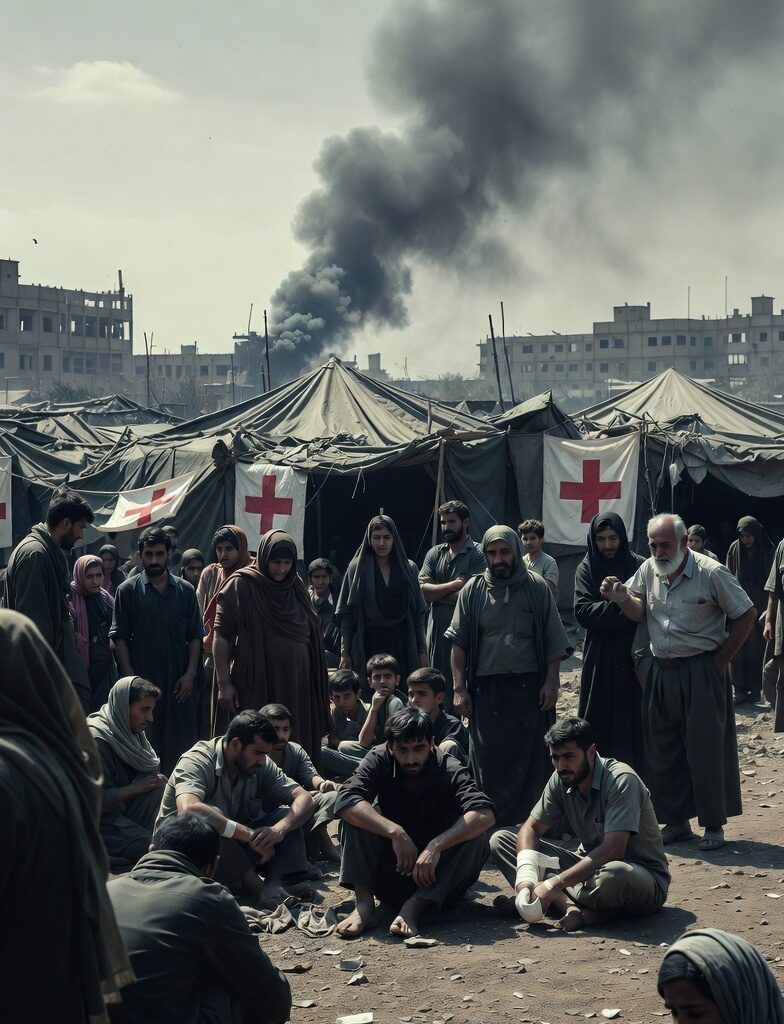
Historical Parallel: Like Syria’s 2013-2020 outbreaks (500k+ cases), this could cascade regionally.
Future Shift: Investments pour into rapid-response systems (e.g., Gavi’s emergency vaccine corridors) and portable sanitation like WaterMission’s solar purifiers, plus AI outbreak predictors scaling to preempt pandemics.
5. Vulnerable Populations Suffer the Most
War’s toll is regressive, hammering the defenceless hardest in an already unequal world.
Most Affected Groups:
- Children (45% of displaced): Malnutrition doubles, stunting growth; interrupted schooling compounds trauma.
- Pregnant Women: Maternal mortality jumps 75% from disrupted prenatal care (UNFPA data).
- Elderly/Low-Income: Comorbidities untreated, with 60% lacking mobility for aid access.
Case in Point: In Iranian border villages, child wasting rates hit 20% (Save the Children, 2026).
Future Shift: Surge in humanitarian health tech (e.g., nutrition-monitoring wearables) and targeted programs like UNICEF’s war-maternal kits, fostering resilient, equity-focused systems.
6. Environmental Health Disasters
Explosions don’t just shatter buildings—they toxify ecosystems, turning air and water into slow poisons.
Key Effects:
- Toxic plumes from 500+ strikes cause respiratory spikes (15% asthma rise in Israel, Health Ministry).
- Oil fires in Gulf proxies release benzene, linked to cancers (EPA analogues).
- Contaminated soil/water breeds skin diseases and birth defects (WHO warning on 2026 exposure).
Broader Ripple: Pollutants drift globally, echoing Gulf War syndrome’s legacy.
Future Shift: Boom in climate-health tech—drones monitoring toxins, AI forecasting exposures—driving policies like the UN’s 2026 Environmental Health Pact.
7. The Unexpected Positive Shift: Reinventing Global Healthcare
Crisis catalyses progress: History shows wars birth breakthroughs (e.g., WWII’s blood banks, Vietnam’s trauma protocols).
Emerging Innovations:
- Telemedicine: Israel’s “Red Alert” app triages 1M+ users remotely.
- AI Diagnostics: Tools like PathAI detect diseases from phone photos in blackouts.
- Drones/Modular Hospitals: U.S.-funded Ziplines deliver 100kg/hour; pop-up ICUs assemble in 48 hours.
Global Cooperation: WHO coordinates 20+ nations’ aid; cross-border corridors emerge despite tensions.
Case Study: A Region Under Pressure
Lebanon: 1,200+ deaths, 1M displaced, hospitals at 200% capacity (UN, March 2026).
Israel: Daily threats disrupt 5M lives, with PTSD clinics overwhelmed.
Iran: Sanctions + strikes = 30% care shortfall. This previews global risks from any escalation.
🔗 Links for Authority
Final Insight: The Future of Health in a War-Driven World
Health and geopolitics are fused—U.S. involvement risks wider fallout, but sparks resilient systems via tech and alliances.
Conclusion (Powerful Takeaway)
War destroys—but reveals imperatives. Build health systems that endure chaos. The future hinges not on battle wins, but life’s guardians.
FAQ Section
Q1. How does war affect mental health?
Triggers PTSD (22% prevalence), anxiety, and child trauma via constant stress—long-term effects include societal productivity loss (WHO).
Q2. Why are healthcare systems collapsing?
Strikes, sanctions, and overloads halt 70% of services, per ICRC.
Q3. What diseases spread during war?
Cholera, TB, hepatitis from sanitation collapse (1,200+ cases reported).
Q4. Who suffers most?
Kids, mothers, elderly—mortality up 75% in vulnerable populations (UNFPA).
Q5. Can war spur innovation?
Absolutely: Telemed, drones, and AI from past conflicts revolutionised care.
🚀 Final Viral Line
The real battlefield? Human health. Protect it, and humanity thrives.