

🌟 Introduction: The Dawn of Intelligent Wearables
Just a decade ago, wearable technology was limited to simple step counters and digital watches. Fast forward to today, and we’re living in a world where smart wearables can detect irregular heartbeats, warn you of potential health risks, and even suggest when you should drink water or go to bed.
The next wave of innovation isn’t about humans teaching machines but machines teaching humans. We’re entering an era where wearables know better than you do—about your health, productivity, and even emotional well-being.
In this blog, we’ll explore:
- How AI wearables are transforming lives.
- The science and innovation behind them.
- Real-world examples and case studies.
- The future of wearables in healthcare, fitness, and daily life.
- An FAQ section to address common questions.
This is more than technology—it’s the wearable health revolution.
Table of Contents
🔑 The Evolution of WTKBTYD Technology
From Basic Trackers to Intelligent Companions
- 2000s Era: Step counters and basic digital pedometers.
- 2010s: Fitness wearables like Fitbit dominated, tracking steps and calories.
- Today: AI-driven wearables act as predictive health coaches, mental health assistants, and digital lifestyle partners.
The difference? Predictive intelligence. Instead of just recording what you do, next-gen wearables analyze your data and guide your choices proactively.
👉 Example: A Whoop Band can detect signs of fatigue in athletes and recommend rest before overtraining injuries occur.
🧠 How Wearables Know Better Than You Do
The magic lies in three components:
- Continuous Data Monitoring
Devices measure heart rate, oxygen levels, stress indicators, and sleep cycles—24/7. - AI and Machine Learning
Algorithms compare your data with millions of other data sets, spotting patterns invisible to the human eye. - Predictive Analytics
Instead of telling you what has happened, wearables suggest what will likely happen.
👉 For example, your smartwatch might alert you that you’re about to feel fatigued before you even realize it.
📊 Case Studies: WTKBTYD in Action
1. Apple Watch Series 9 & Heart Health
Apple Watch’s ECG app has helped thousands detect atrial fibrillation early, prompting life-saving interventions.
2. Oura Ring & Sleep Optimization
The Oura Ring analyzes sleep cycles and provides daily readiness scores, helping professionals optimize productivity.
3. Whoop Band & Sports Recovery
Used by elite athletes, it provides HRV (heart rate variability) insights to enhance recovery and prevent injuries.
4. Fitbit & Diabetes Research
Studies show Fitbit data helps identify patterns in glucose fluctuations, assisting doctors in managing diabetes.
👉 These examples highlight the positive impact of wearables across different aspects of human life.
🌍 The Positive Impact of WTKBTYD
- Healthcare Revolution
- Early detection of heart disease, stress disorders, and sleep apnea.
- Reduced hospital costs through preventive care.
- Lifestyle Transformation
- Encourages hydration, regular movement, and stress reduction.
- Guides personalized nutrition and fitness plans.
- Productivity & Mental Health
- Alerts you to rest when your focus drops.
- Recommends mindfulness sessions to reduce burnout.
🏃 Daily Life Examples of WTKBTYD
- Morning: Your smart wearable skips your alarm because your sleep cycle is incomplete.
- Afternoon: It nudges you to drink water before dehydration sets in.
- Evening: Suggests an early bedtime based on your recovery needs.
- Night: Detects irregular sleep patterns and alerts you to potential insomnia.
👉 This seamless lifestyle integration proves that wearable smart devices know your needs better than your conscious self.
📈 Market Trends in WTKBTYD
According to Statista, the wearable technology market is projected to reach $186 billion by 2030, with AI-driven wearables leading growth.
Trends shaping the industry:
- Wearable sensors with nanotechnology (link to Nanotechnology blog)
- Implantable wearables for healthcare monitoring
- Wearable productivity tools for remote work
- Mental health-focused wearables detecting stress and anxiety
🧩 Features of Next-Gen Wearables
- Wearable Predictive Analytics → Health alerts before symptoms appear.
- Wearable Smart Coaching → Tailored recommendations for fitness and mental wellness.
- Wearable Ecosystem Integration → Sync with smart homes, apps, and vehicles.
- Wearable Lifestyle Technology → Personalized diet, hydration, and posture alerts.
- As of September 2025, next-generation wearables are evolving rapidly, driven by advancements in AI, biosensors, and seamless integration with daily life. These devices—ranging from smartwatches and rings to AR glasses and even bio-integrated tech—go beyond basic fitness tracking to offer proactive health insights, augmented reality experiences, and enhanced connectivity. The global market is projected to exceed $150 billion this year, fueled by innovations showcased at events like CES 2025 and recent launches from companies like Apple, Samsung, and Meta. Below, I’ll outline the top features, grouped by category, based on current trends and announcements.
1. Advanced Health and Wellness Monitoring
Wearables are becoming personal health guardians, using AI to analyze data in real-time and predict issues like chronic diseases or recovery needs.
Feature
Description
Examples
Non-Invasive Biometric Sensors
Track sweat analysis, hydration, core body temperature, blood glucose, heart rate variability (HRV), and mental health via biometrics like stress levels.
Abbott Lingo for continuous glucose monitoring; Apple Watch Series 10’s sleep apnea detection.
AI-Powered Insights & Coaching
Generative AI provides personalized recommendations, health scoring, recovery analytics, and virtual coaching for workouts or sleep optimization.
Garmin Forerunner 965’s stamina tracking and VO2 max; Samsung Galaxy Watch 8’s AI health features.
Sleep & Recovery Tracking
Advanced algorithms monitor sleep stages, generate audio for better rest, and integrate with apps for holistic wellness.
VIV Ring’s body-data-driven sleep audio; WHOOP’s HRV-based recovery scores.
2. Augmented Reality (AR) and Immersive Experiences
AR wearables are blending digital overlays with the real world, making them indispensable for navigation, communication, and entertainment.
Real-Time Translation & Gestures: Next-gen smart glasses like Meta’s Ray-Ban and Oakley updates offer live language translation, gesture controls, and integration with Metaverse/Quest headsets.
Minimalist AR Displays: Lightweight glasses with wider fields of view (FOV), virtual screens, and hands-free navigation; luxury brands like Gucci and Dior are adding fashionable twists.
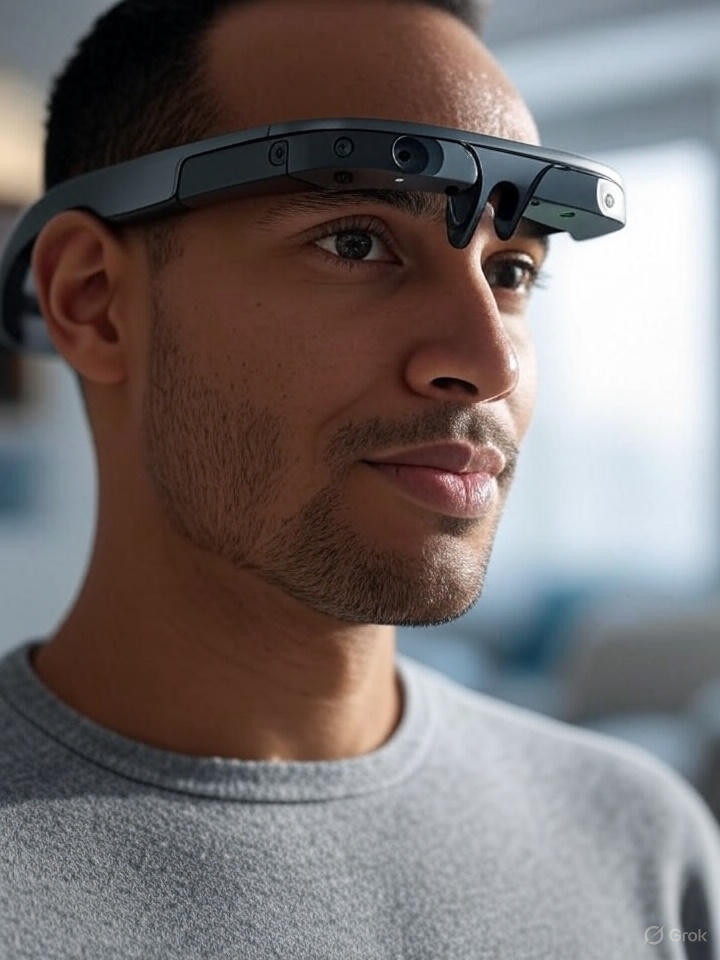
Head-Mounted Displays (HMDs): Compact, high-resolution AR for immersive experiences, evolving from basic HUDs to full mixed-reality setups.
3. Enhanced Connectivity & Smart Features
With 5G and IoT integration, wearables are more responsive and ecosystem-aware.
Multimodal AI & Voice Assistants: On-device AI for conversational interactions, task automation, and edge computing; expect updates like Llama 4 in Meta devices.
Gesture & Proximity Controls: Wristbands or earbuds for hands-free inputs; bone-conduction headphones like Shokz OpenFit 2 with dual speakers and glasses compatibility.
Payments & Notifications: Contactless payments, GPS, calls, and smart home controls, now in slim form factors like smart rings.
4. Form Factor Innovations & Sustainability
Devices are getting smaller, more comfortable, and eco-friendly to encourage all-day wear.
Smart Rings & Minimalist Designs: Discreet trackers like Circular Ring 2 (with digital sizing) or Amazfit models offering health metrics without bulk; no subscription fees in some cases.
Bio-Integrated Tech: Smart contact lenses, temporary skin tattoos, and dissolvable sensors for invisible monitoring; self-charging insoles that generate power from movement.
Rugged & Adaptive Builds: Solar-charging options (e.g., Garmin Instinct 3), electric-powered pants for mobility aid, and worker safety features like fall detection and environmental sensing.
5. Safety & Industrial Applications
Proximity & Environmental Sensing: Real-time alerts for hazards, vital sign monitoring, and geofencing in high-risk jobs; integrates with IIoT for automated responses.
Lone Worker Tools: Fall detection, emergency SOS, and FDA-cleared medical integrations for remote monitoring.
These features position wearables as “extensions of the self,” with AI handling the heavy lifting for proactive, intuitive use. Looking ahead to 2026, expect deeper healthcare partnerships and even more bio-mimetic designs, like earbuds with heart-rate sensors from Sony and Jabra. If you’re eyeing a specific device or category (e.g., AR glasses), let me know for deeper dives!
❓ FAQs About WTKBTYD
Q1. Can wearables replace doctors?
No. Wearable devices 2025 and beyond will support doctors with real-time patient data, but won’t replace medical professionals.
Q2. Are wearables safe for daily use?
Yes, most health wearables are tested and use low-energy sensors that don’t harm the body.
Q3. How accurate are AI wearables?
They provide 90–95% accuracy in key metrics, improving with AI-driven updates.
Q4. Will future wearables be implantable?
Yes, next-gen wearables may become implantable for constant health monitoring.
Q5. Which are the best wearable devices today?
Apple Watch, Oura Ring, Whoop, and Fitbit top the wearable innovation 2025 list.
🎯 Conclusion: A Smarter Future with WTKBTYD
The era of wearables that know better than you do has already begun. These aren’t just gadgets; they’re partners in health, wellness, and productivity. By combining AI, sensors, and predictive analytics, they create a wearable health revolution that empowers smarter living.
From saving lives to boosting efficiency, AI wearables represent one of the most positive technology impacts of our time.
👉 So the next time your smart wearable nudges you to drink water, take a break, or sleep early, remember—it just might know better than you.
Thank you for your sharing. I am worried that I lack creative ideas. It is your article that makes me full of hope. Thank you. But, I have a question, can you help me?
Thank you for your sharing. I am worried that I lack creative ideas. It is your article that makes me full of hope. Thank you. But, I have a question, can you help me?
Your point of view caught my eye and was very interesting. Thanks. I have a question for you.