
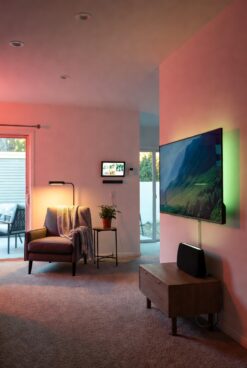
The emotional architecture of dementia care is built upon a foundation of quiet, persistent vigilance. For millions of families globally, the experience is defined not by a single medical event, but by the slow, atmospheric erosion of the familiar—a transition marked by forgotten faces, the haunting confusion of once-vibrant minds, and the high-stakes anxiety of midnight wandering. This reality creates a profound state of emotional exhaustion, often described by caregivers as living on a “lonely island” where the burden of safety and memory falls entirely on their shoulders. However, beneath the surface of this struggle, a silent revolution is taking place. Invisible, non-intrusive smart home technologies are emerging as a vital lifeline, shifting the paradigm of care from reactive crisis management to proactive, dignity-focused support. By transforming the domestic environment into a “responsive partner,” these innovations allow individuals to age in place while providing families with the “priceless peace of mind” necessary to preserve human connection over clinical anxiety.
The Global Imperative: Understanding the Scale of Cognitive Decline
Dementia is currently recognised as one of the most significant public health challenges of the 21st century. According to the World Health Organisation (WHO), over 55 million people worldwide are living with dementia, a figure expected to triple to 150 million by 2050 as global populations age. In the United States alone, the Alzheimer’s Association reports that 7.2 million Americans aged 65 and older are living with the condition as of 2025, marking the first time the affected population has surpassed the 7 million threshold. The economic and social implications of this shift are staggering, with global costs projected to rise from $1.3 trillion to $2.8$ trillion by 2030.
The burden of this crisis is largely borne by unpaid family caregivers—the “invisible workforce” of the healthcare system. In 2024, nearly 12 million Americans provided an estimated 19.2 billion hours of unpaid care, a contribution valued at approximately $413$ billion. For these individuals, the “vanishing act” of dementia is not just a clinical observation but a lived reality that consumes an average of 5.7 hours per day. The introduction of smart home technologies seeks to address the widening gap between the needs of those with cognitive impairment and the shrinking supply of professional healthcare workers.
| Metric | 2024-2025 Statistics | 2030-2050 Projections | Source |
| U.S. Prevalence (65+) | 7.2 million | 13.8 million (2050) | |
| Global Prevalence | 55 million | 150 million (2050) | |
| Total U.S. Annual Cost | $384 billion | $1 trillion (2050) | |
| Unpaid Care Hours (U.S.) | 19.2 billion | N/A | |
| Value of Unpaid Care | $413 billion | N/A |
The Emotional Toll: Why Traditional Care Models are Reaching a Breaking Point
The exhausting nature of dementia care stems from the unpredictable “middle period” of the disease, where abilities fluctuate and needs evolve rapidly. Caregivers often find themselves in a state of “hyper-vigilance,” monitoring for symptoms that traditional medical services fail to track in real-time. These behaviours, often grouped as Behavioural and Psychological Symptoms of Dementia (BPSD), include agitation, aggression, and sundowning—a phenomenon characterised by increased confusion and restlessness in the late afternoon and evening.
Research indicates that the mismatch between pharmaceutical approaches to improving cognition and the practical need to manage sundowning or wandering at home is a primary driver of caregiver burnout. When untrained caregivers encounter a medical or behavioural crisis they cannot interpret, the default response is often a panic-driven call to emergency services, leading to unnecessary hospitalisations and accelerated institutionalisation. Smart home technologies provide a “buffer” against this exhaustion by offering situational awareness that reduces guesswork and enables informed care decisions.
The Syndrome of Sundowning and Night Restlessness
One of the most emotionally draining aspects of the journey is the disruption of the “internal clock.” Damage to the hypothalamus in dementia patients often leads to circadian rhythm disorders, resulting in patients waking at midnight to wander or becoming aggressive as the sun sets. For the caregiver, this means sleep is never truly restorative, as one ear is always listening for a footstep or an opening door. Traditional sedatives, such as benzodiazepines or antipsychotics, are often used as a “quick fix,” but these carry high risks of falls, delirium, and further cognitive impairment. Consequently, there is an urgent need for non-drug, environmental interventions that restore a sense of stability without medical risks.
1. Motion and Inactivity Sensors: The “Sixth Sense” for Caregivers
The first pillar of the quiet transformation is the transition from obtrusive cameras to ambient, non-invasive sensors. Traditional video surveillance often feels like an “invasion of privacy” or “surveillance” to the person living with dementia, who may still value their autonomy and dignity. Modern smart homes instead utilise motion detectors, wall-mounted activity sensors, and under-mattress pressure pads to create a “passive” monitoring system.
Detecting the Absence of Action
The insight behind these sensors is not just monitoring movement, but identifying the “absence” of normal activity. If a resident typically activates the kitchen motion sensor between 6:00 AM and 9:00 AM, the system remains silent. If 10:00 AM passes without detection, it triggers an alert indicating a “missed breakfast,” which could signify a fall or a period of severe disorientation. This allows caregivers to maintain a “watchful eye” without physically hovering over their loved ones, preserving the resident’s sense of independence.
Health Anomaly Detection
Advanced research at the UK Dementia Research Institute demonstrates that these sensors can analyse behaviour patterns to predict health crises before they manifest. For example, AI models can identify changes in nighttime heart rate or breathing patterns via under-mattress sensors to flag early signs of respiratory infections or urinary tract infections (UTIs). By catching these physiological shifts early, families can seek medical intervention days before the infection triggers a behavioural crisis or a trip to the emergency room.
| Sensor Type | Function | Emotional/Practical Benefit |
| Passive Infrared (PIR) | Detects motion in rooms | Alerts to unusual activity or lack of movement. |
| Under-Mattress Pads | Tracks sleep and heart rate | Monitors health stability and prevents “silent” falls. |
| Door/Window Contacts | Signals entry/exit | Provides immediate wandering notifications. |
| Pressure Sensors | Monitors chair/bed occupancy | Detects when a patient is struggling to get up. |
2. Voice Assistants: The Unjudging Memory Compass
The second technology, voice-activated assistants, has evolved from a tool for playing music into a “cognitive prosthetic”. For an individual who forgets their name or their daily tasks, the repetitive nature of dementia can be humiliating. Having to ask a family member the same question twenty times a day—”Where are my keys?” or “What time is dinner?”—can lead to tension and a loss of self-worth.
Providing Patient, Reassuring Cues
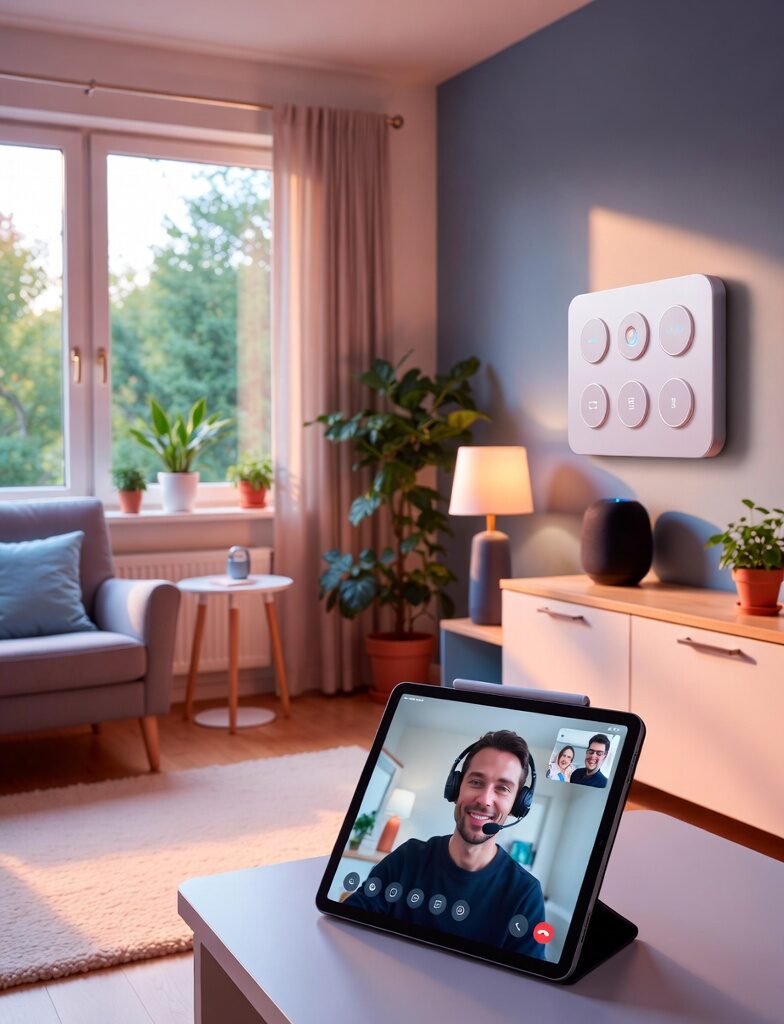
Devices such as “ggcare” or “MemPal” offer a “gentle, reassuring voice interface” that never gets frustrated. Patients can ask the device simple questions and receive immediate, empathetic answers. In the early stages of dementia, these devices support “self-management,” allowing individuals to maintain control over their schedules. As the disease progresses, the “Assistive Intelligence” model can transition into providing step-by-step instructions for tasks like washing hands or folding towels, ensuring the person remains engaged in the “rhythm of life” rather than becoming a passive observer.
Social Connection and Loneliness
AI-powered companions like “ElliQ” or “SeniorTalk” go beyond simple reminders; they proactively initiate conversations, share funny stories, and facilitate video calls with loved ones. For the 60% of caregivers who are still employed, knowing that their loved one has a “therapeutic presence” at home to alleviate loneliness is a major source of relief. This emotional support has been shown to improve mood and reduce the reliance on antipsychotic medications for managing agitation.
3. Circadian Smart Lighting: Realigning the Biological Clock
The third quiet transformer is light therapy integrated into the home’s infrastructure. Research from the National Institute on Ageing (NIA) and clinical trials suggests that environmental adjustments are often more effective for managing evening agitation than pharmaceutical sedatives.
The Mechanism of Light Therapy
Sundowning syndrome is frequently caused by a disruption of the normal sleep-wake cycle. Smart lighting systems address this by using controlled exposure to artificial light that mimics natural sunlight. In the morning, “blue-enriched” light bulbs can be used to cue the brain that it is time to wake up, suppressing melatonin and enhancing cognitive clarity. As evening approaches, the lighting gradually transitions to soft, warm tones, minimising shadows that can trigger visual confusion or hallucinations.
Restoring Stability and Confidence
Families utilising these specialised lighting environments report that their loved ones seem more “settled” in the evenings and are better able to rest at night. By providing a consistent lighting routine, the home stops being a source of fear as the sun sets and instead becomes a “stabilising tool” that restores a sense of order to the day.
4. Stove and Door Safety Automation: The Digital Guardian
The fourth pillar focuses on the high-risk areas of the home: the kitchen and the exits. For many seniors, the kitchen is a “last bastion of self-reliance”—a place where they feel useful and in control. However, a pot left unattended or a burner accidentally left on can turn this hub of family life into a source of sleepless nights for caregivers.
Preserving the Love of Cooking
Smart stove safety technology, such as “FireAvert” or “iGuardStove,” acts as a “silent kitchen assistant.” These devices listen for smoke alarms or monitor for prolonged inactivity and automatically cut power to the stove. This “silicon safeguard” allows patients to continue engaging in the “sacred space” of cooking without the high-stakes gamble of a fire. Rather than “unplugging the stove”—which can feel like an “amputation of identity”—technology builds a “bridge” to safer independence.
Managing the Urge to Wander
Wandering is a natural progression of the urge to walk about and search for something familiar. Smart door and window sensors send immediate alerts to caregivers if an exit is opened unexpectedly, particularly during “night monitoring” hours. These “invisible boundaries” allow individuals to move freely within the home while ensuring that their safety is maintained without the need for physical locks that breed frustration and aggression.
| Technology | Risk Addressed | Human-Centered Solution |
| Smart Stove Shut-off | Fire/Burns | Automatically disables heat if a burner is forgotten. |
| Flood Sensors | Overflown sinks/tubs | Alerts caregivers to water leaks under sinks or near tubs. |
| Geofenced Locks | Unsafe wandering | Sends a smartphone notification if a door opens at night. |
| Smart Plugs/Timers | Forgotten appliances | Powers off coffee makers or irons after set intervals. |
5. GPS and Geofencing Wearables: The “Key to Freedom”
The fifth technology is the GPS-enabled wearable, which directly addresses the fear of a loved one becoming lost and disoriented in the community. Traditional approaches often involved confining dementia patients to “secure wards” or keeping them indoors, which leads to physical decline and mental distress.
The Norway Study: Peace of Mind Through Mobility
A landmark study of 200 dementia sufferers in Norway revealed that the use of GPS devices led to “greater peace of mind and increased levels of physical activity”. In one documented case, an elderly man in a nursing home who was previously not allowed to go out because he always got lost was given a GPS device. He was able to walk to a café, sit and watch people, and return home independently. The technology “calmed things down” and allowed staff to focus on those who needed more direct care.
Situational Awareness for Families
Modern systems like “Theora Care” pair a smartwatch with a smartphone application for the caregiver. This provides “situational awareness,” allowing a spouse to go to work or run errands with the reassurance that they can track their partner’s location in real-time. Stories of users like “Judy and James” show that these trackers are superior to phones because the location feature works even if the patient forgets how to answer a call or press an SOS button.
6. AI-Powered Routine Reminders: Adapting to the Dementia Journey
Dementia is not a static condition; it is a journey where needs change at every stage. The sixth transformation involves “Assistive Intelligence” that learns a person’s routine and adapts its support over time.
Context-Aware Interventions
Systems like “LumiCare” or “HealthNest” provide a “smart home in a box” that tracks activities of daily living (ADLs) such as hygiene, meal intake, and medication adherence. If a patient is successful in their morning routine, the system remains silent to preserve their autonomy. If a task is missed, it issues a “motivating voice prompt”. This “stage-sensitive support” prevents the stress of “abrupt, stigmatising transitions” by only stepping in when help is truly needed.
Case Study: Bob, Alice, and the “ADQueryAid”
In one micro-story, a caregiver named Bob used an AI system to support his wife, Alice, who had mid-stage Alzheimer’s. When Alice became bored and lost her appetite, the system suggested personalised activities—listening to Mozart, light gardening, and softer, smaller meals—based on her lifelong preferences. This personalisation not only improved Alice’s quality of life but also reduced Bob’s “decision fatigue,” a common cause of caregiver burnout.
7. Emergency Alert Systems: The Final Safety Net
The seventh technology is the integrated emergency response system. Unlike the old-fashioned “panic button” necklaces—which are often forgotten or taken off because of the stigma—modern smart home systems are built into the fabric of the house.
Voice-Triggered Help
By placing Google or Alexa speakers within earshot throughout the home, patients can “call for help” using only their voice if they have fallen or feel distressed. These systems can also trigger automated calls for help if motion is not detected during set “safety windows”. For the caregiver, this creates a “silent nurse” that is always on duty, allowing them to focus on “spending meaningful time together” rather than constant monitoring.
Ethical Challenges: Balancing Safety, Privacy, and Autonomy
While these technologies offer profound benefits, they also raise significant ethical questions. The “Rubeis’ 4D Risks” framework—Privacy, Autonomy, Trust, and Transparency—provides a lens through which researchers evaluate these systems.
The Surveillance Paradox
Monitoring devices and sensors can inadvertently “intrude upon personal privacy,” making patients feel like they are under “constant surveillance”. This “datafication” of individuals can lead to “self-disciplining,” where patients adapt their behaviour to meet the expectations of the technology or their caregivers. The ethical requirement of “non-maleficence” ensures that technology should only be used to enhance the patient’s life, not to control it.
Informed Consent in Cognitive Decline
Seeking “informed consent” is a major challenge as dementia progresses and decision-making capacity fluctuates. Researchers emphasise “participatory co-design,” involving both the patient and the caregiver in the selection and setup of devices early on. Ethical guidelines suggest that “any apparent dissent” from the patient should be viewed as a signal that the technology may no longer be appropriate, even if it provides safety benefits.
| Ethical Principle | Conflict in Smart Home Care | Proposed Mitigation Strategy |
| Privacy | Data collection vs. personal space | Use “non-camera” sensors and data parsimony. |
| Autonomy | Safety needs vs. patient freedom | Technology should support “task completion,” not “task replacement.” |
| Trust | Remote monitoring vs. human care | Ensure tech supplements never replace human interaction. |
| Fairness | High costs vs. equitable access | Policy intervention and government subsidies. |
Cost vs. Value: Why Prevention Beats Crisis Care
A major hurdle to the adoption of smart home tech is the perceived “high cost”. However, when compared to traditional care models, technology often represents a more sustainable and cost-effective solution.
The “Cost Tipping Point”
In-home care costs in the U.S. average $25$ to $30$ per hour. Once paid home care approaches 40 hours per week, it often becomes more expensive than a bundled monthly fee at a memory care facility. Smart home technologies allow families to “delay” this tipping point by months or years. By retrofitting a home with $2,000$ to $5,000$ worth of sensors and safety tools, families can maintain safety at home for a fraction of the $5,000$ to $10,000$ monthly cost of an assisted living facility.
The ATTILA Trial and Long-Term Value
The “ATTILA” trial, which examined the cost-effectiveness of assistive technology, found that “full packages” of assistive tools could maintain independent living at home effectively. The “real value” lies in the reduction of “crisis-driven interventions,” which are the most expensive and traumatising for families.
The Future-Ready Home: Moving Beyond Traditional Models
The next two years will see a shift toward “Smarter Healthcare Innovation” where AI, wearables, and smart systems are fully integrated.
Enhanced Predictive Analytics
Future systems will go beyond basic tracking to analyse “novel sources like retinal scans” and “subtle changes in gait or speech” to predict dementia risk years before clinical symptoms manifest. AI will translate clinical care plans into “concrete checklists” for home use, helping caregivers decide in real time when a situation requires an ER visit and when it can be managed by adjusting the environment.
The Role of Assistive Intelligence
The goal of “Assistive Intelligence” is not to replace the human caregiver but to “extend what clinicians wish they could provide”: frequent reinforcement, behavioural rehearsal, and practical support between visits. This technology-enabled care model fosters “sustainable caregiving” in a world where healthcare systems are currently “stretched thin”.
Conclusions and Actionable Recommendations
Smart home technologies are no longer futuristic concepts; they are practical tools that are “quietly transforming” the landscape of dementia care. By addressing the emotional exhaustion of families and restoring the dignity of patients, these “invisible lifelines” protect the most vulnerable members of society.
Recommendations for Caregivers and Professionals
- Prioritise Person-Centred Design: Technology should align with the core dementia care principle of “social connectedness and meaningful engagement”.
- Start Gradually: Families should not undergo a total “tech overhaul.” Starting with one or two simple changes, like smart lighting or voice-based reminders, allows for a “smoother integration” into daily life.
- Focus on Proactive Safety: Implement stove shut-offs and GPS wearables before a crisis occurs to prevent the “helplessness” that often accompanies emergencies.
- Uphold Ethical Standards: Ensure data security is a “foundational element” of any technology used, adhering to the “principle of data parsimony”.
- Seek Human Connection: Remember that technology is a “complement to, not a replacement for,” the unique emotional support that only another human can provide.
Ultimately, the goal of the “future-ready home” is to ensure that the journey with dementia—while difficult—is defined by moments of love and connection rather than fear and isolation. Technology, when applied with compassion and insight, ensures that families have “more moments that matter,” protecting the human love that dementia tries to erase.