
Introduction
A young employee suggests using an AI tool to speed up reporting, but their senior manager insists on sticking to spreadsheets. At home, a teenager prefers texting over talking, while parents see it as emotional distance. These aren’t isolated incidents;they’re everyday examples of the generational gap quietly shaping how we think, communicate, and collaborate.
At the core of this gap lies culture:not just in the traditional sense of customs and traditions, but in how each generation develops its own beliefs, habits, and expectations based on the world it grew up in. From technology to work ethics, each generation carries a unique cultural lens.
In today’s fast-evolving world, bridging this gap is no longer optional. Organizations, families, and societies that fail to align generational perspectives often struggle with miscommunication, low productivity, and friction. On the other hand, those who intentionally build a shared culture of understanding unlock innovation, harmony, and long-term success.
Understanding Generational Differences
Every generation is shaped by its environment. Baby Boomers grew up valuing stability and loyalty, Gen X adapted to independence and practicality, Millennials embraced collaboration and purpose, while Gen Z thrives on speed, technology, and adaptability.
These differences are not random;they are deeply rooted in culture. The social norms, economic conditions, and technological exposure of each era create distinct behavioral patterns.
For example:
In workplaces, older professionals may value face-to-face meetings, while younger employees prefer quick digital communication.
In families, elders might prioritize discipline and hierarchy, whereas younger members seek openness and flexibility.
In technology adoption, older generations may approach change cautiously, while younger ones embrace it instinctively.
Understanding these differences isn’t about labeling generations;it’s about recognizing how culture shapes perspectives. Once this awareness is built, collaboration becomes more intentional and less reactive.
Why the Gap Exists
- Technological Evolution
Rapid advancements redefine how people interact. What was once considered efficient is now outdated, creating friction between generations.
- Shifting Social Norms
Each generation grows up with different ideas about authority, work-life balance, and communication. These shifts reshape culture continuously.
- Economic and Educational Changes
Opportunities, challenges, and expectations differ significantly across generations, influencing their mindset and priorities.
- Communication Styles
Older generations often prefer structured, formal communication, while younger ones lean toward informal, fast-paced interactions.
These differences often lead to misunderstandings. What one generation sees as “discipline,” another may view as “rigidity.” What one sees as “innovation,” another may interpret as “lack of experience.” Without a shared culture of understanding, these interpretations create unnecessary conflict.
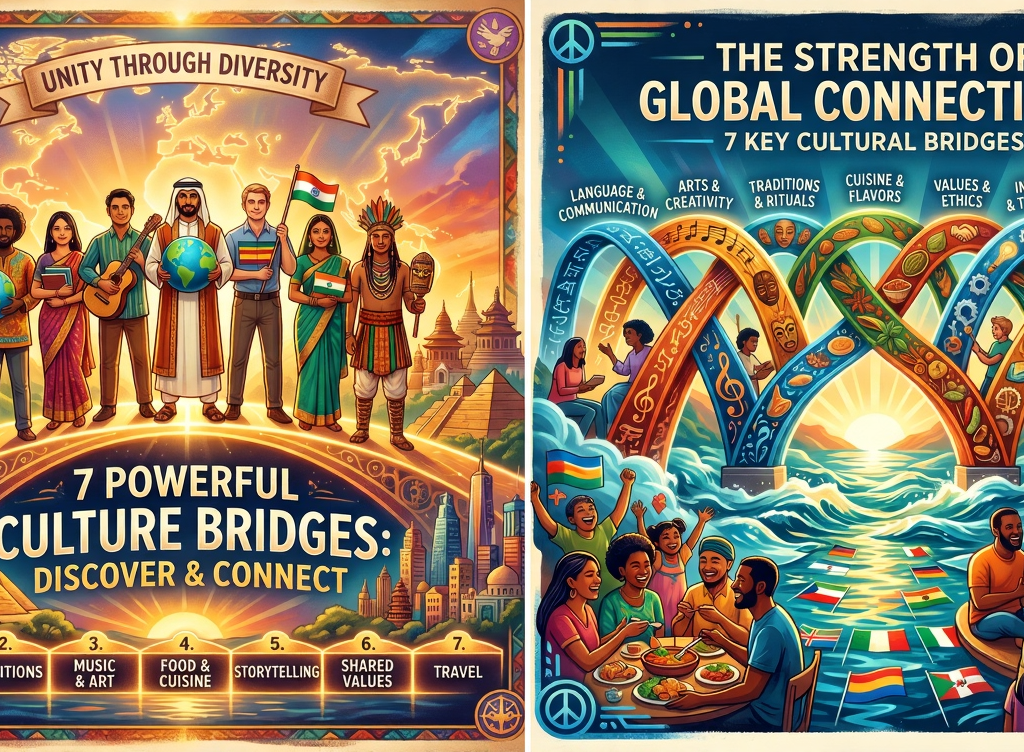
7 Powerful Strategies to Bridge the Gap
<1>Build Open Communication Channels
Encourage honest conversations where every voice is valued.
Example: A company introduces weekly open forums where employees of all ages share ideas.
Tip: Create a culture where asking questions is seen as strength, not weakness.
<2>Practice Mutual Respect
Respect is the foundation of every strong relationship.
Example: A young manager acknowledges the experience of senior employees while introducing new ideas.
Tip: Recognize that every generation contributes uniquely to the overall culture.
<3>Encourage Learning Exchange
Learning should flow both ways;experience meets innovation.
Example: Reverse mentoring programs where younger employees teach technology while seniors share industry insights.
Tip: Promote a culture of continuous learning instead of hierarchical teaching.
<4>Foster Adaptability
Rigid thinking widens the gap. Flexibility bridges it.
Example: A team adopts hybrid communication;combining emails, meetings, and messaging apps.
Tip: Build a flexible culture that accommodates different working styles.
<5>Promote Inclusive Leadership
Leaders set the tone for generational harmony.
Example: A leader ensures decision-making includes diverse age groups.
Tip: Develop a leadership culture that values inclusion over authority.
<6>Use Technology As A Bridge
Technology can connect rather than divide.
Example: Training sessions help older employees adapt to new tools while younger ones learn professional etiquette.
Tip: Create a culture where technology is a shared resource, not a barrier.
<7>Cultivate Empathy
Understanding perspectives reduces conflict.
Example: A manager listens to both a senior employee’s concerns and a junior’s ideas before making decisions.
Tip: Embed empathy into organizational culture to strengthen relationships.
Case Study: A Real-Life Application
A mid-sized company faced declining productivity due to generational clashes. Senior employees resisted new digital tools, while younger staff felt unheard. Instead of enforcing change, the company introduced a structured mentorship program.
Senior employees were paired with younger ones. The goal was simple: exchange knowledge. Over six months, something shifted. Seniors became more comfortable with technology, while juniors gained respect for experience and decision-making processes.
The result?
Increased productivity by 30%
Improved employee satisfaction
Stronger collaboration across teams
What made the difference wasn’t just the strategy;it was the intentional creation of a shared culture of respect, learning, and adaptability.
Common Mistakes To Avoid
Stereotyping: Assuming all individuals of a generation behave the same damages trust.
Resistance to Change: Ignoring evolving culture leads to stagnation.
Lack of Communication: Silence creates assumptions and misunderstandings.
Ignoring Experience or Innovation: Overvaluing one at the cost of the other weakens balance.
Avoiding these mistakes helps maintain a healthy and evolving culture.
Conclusion
Bridging the generational gap is not about eliminating differences—it’s about aligning them. When diverse perspectives come together under a shared culture, the result is powerful: innovation, resilience, and stronger relationships.
Whether in workplaces or families, the responsibility lies with each individual to listen, adapt, and respect. The future belongs to those who can blend experience with innovation and tradition with change.
Start small. One conversation, one adjustment, one act of empathy can begin transforming your environment into a thriving, inclusive culture.
FAQ:
- What causes generational gaps?
Generational gaps arise from differences in upbringing, technological exposure, societal changes, and evolving culture across time periods.
- How does culture influence generational differences?
Culture shapes values, communication styles, and expectations, making each generation view the world differently.
- How can workplaces manage generational diversity?
By promoting inclusive leadership, open communication, and a shared culture of respect and learning.
- What are the benefits of bridging the gap?
Improved collaboration, innovation, productivity, and stronger relationships across teams and families.
- Can technology reduce generational misunderstandings?
Yes, when used correctly, technology can unify communication and create a shared culture of efficiency and connection.
1 thought on “7 Powerful Culture Bridges For Generations”