
The contemporary physiological landscape is increasingly defined by the persistent activation of the human biological alarm system. While the stress response was evolutionarily engineered to protect the organism from immediate physical threats, such as predators or environmental hazards, the modern world presents a different set of challenges. Chronic workplace demands, digital overstimulation, and the relentless pace of urban life have created a scenario where the “fight-or-flight” mechanism rarely deactivates. This prolonged state of arousal is detrimental to systemic health, necessitating a comprehensive approach to stress management through the concept of a mental reset. A mental reset is not merely a cessation of activity but a strategic recalibration of the autonomic nervous system and cognitive architecture to restore homeostatic balance and enhance resilience.
Introduction: The Neurobiological Imperative for Mental Recalibration
The human body’s stress response is a survival mechanism designed to prepare you to react to threats. However, modern, chronic stress keeps this system activated, which can lead to negative health effects.
Shutterstock
Explore
Key Components of the Stress System
| Component of the Stress System | Physiological Role in Response | Long-term Impact of Chronic Activation |
| Amygdala | Interprets sensory data and signals distress. | Hyper-sensitivity and chronic anxiety. |
| Hypothalamus | Command center for SNS and HPA activation. | Hormonal dysregulation and metabolic strain. |
| Adrenal Glands | Secretes epinephrine and cortisol. | Adrenal fatigue and systemic inflammation. |
| Sympathetic Nervous System | Initiates “Fight-or-Flight” energy surge. | Cardiovascular strain and hypertension. |
| Parasympathetic Nervous System | Initiates “Rest and Digest” recovery. | Reduced heart rate variability (HRV). |
Key Takeaways
- Immediate Response: Perception of a threat triggers the amygdala and hypothalamus, releasing hormones like epinephrine and cortisol to prepare the body for action.
- Chronic Impact: Prolonged activation and overexposure to cortisol increase the risk of cardiovascular disease, sleep disorders, digestive issues, and cognitive impairment.
- Recovery: The parasympathetic nervous system acts as a brake to return hormone levels to baseline, which can be supported through stress management techniques.
Defining the Mental Reset: A Clinical Perspective on Autonomic Equilibrium
In the context of psychological and neurological health, a mental reset refers to the intentional application of interventions designed to interrupt the cycle of chronic stress and recalibrate the brain’s reward and regulatory systems. It involves a shift from the sympathetic “gas pedal” to the parasympathetic “brake,” allowing the mind and body to move out of the “yellow” or “red” zones of diminishing returns and back into the “green” zone of healthy tension and peak performance.
The process of a mental reset is grounded in the principles of neuroplasticity and cognitive-behavioral modulation. It encompasses various techniques—from the biological flushing of neural toxins during sleep to the conscious reframing of negative thought patterns. By engaging in a mental reset, individuals can clear “mental fog,” improve focus, and enhance their decision-making abilities. This proactive approach to stress management ensures that the body does not remain in a state of high alert, which would otherwise lead to exhaustion and burnout.
Strategy 1: The Glymphatic Flush – Sleep as Neuro-Hygienic Stress Management
The most foundational method for resetting the mind involves the optimization of the glymphatic system, which acts as the brain’s specialized waste-removal network. This system becomes highly active during deep, slow-wave sleep (NREM Stage 3), when the spaces between brain cells widen by up to 60%, allowing cerebrospinal fluid (CSF) to flush through the tissue. This “brain flush” is responsible for clearing out toxic metabolic byproducts, such as beta-amyloid and tau proteins, which are linked to neurodegeneration and cognitive decline.
Effective stress management requires prioritizing the quality and consistency of sleep to ensure the glymphatic system can perform its essential functions. During waking hours, the brain is occupied with processing information and responding to stressors, leading to the accumulation of waste. Sleep is the only window in which the brain can effectively “take out the trash”. Research indicates that chronic sleep deprivation slows this waste clearance process, increasing brain inflammation and reducing emotional regulation.
To optimize this reset, several clinical recommendations are standard:
- Consistency: Maintaining a regular sleep-wake cycle stabilizes the circadian rhythm and ensures predictable windows for glymphatic activity.
- Environment: A cool, dark, and quiet bedroom minimizes disruptions to deep sleep.
- Chemical Regulation: Reducing caffeine and alcohol intake, particularly in the hours preceding sleep, prevents the disruption of NREM cycles.
- Physical Positioning: Some studies suggest that sleeping on the side may enhance glymphatic flow compared to back or stomach positions.
| Stage of Sleep | Neural Characteristics | Role in Stress Management |
| NREM Stage 1 | Light transition; muscle twitching | Initial relaxation of the nervous system |
| NREM Stage 2 | Heart rate slows; body temperature drops | Preparation for deep restorative cycles |
| NREM Stage 3 (Deep) | Delta waves; glymphatic system peak activity | Flushing of neurotoxins and tissue repair |
| REM Sleep | Rapid eye movement; vivid dreaming | Emotional processing and memory consolidation |
Strategy 2: Digital Deceleration – Recalibrating the Dopaminergic Reward Circuitry
The modern digital environment is designed to exploit the brain’s reward system through frequent bursts of dopamine. Notifications, infinite scrolling, and personalized algorithms create a high-stimulation loop that can hijack attention and lead to “dopamine desensitization”. When the brain is constantly exposed to these intense hits of dopamine, everyday low-stimulation activities begin to feel unrewarding or boring. This state of overstimulation contributes significantly to chronic stress and a lack of mental clarity.
A “dopamine detox” or “digital reset” involves intentionally stepping away from high-stimulation digital activities to allow the brain’s reward receptors to recalibrate. While the term “detox” is technically a misnomer—since the body naturally produces dopamine—the practice focuses on changing the behavioral relationship with instant gratification. Studies have shown that even a partial digital detox, such as reducing screen time to 2.5 hours per day, can lead to meaningful improvements in well-being and a reduction in symptoms of anxiety and depression.
Furthermore, digital overconsumption is linked to shortened attention spans and a lack of mindfulness. By reclaiming the ability to sustain attention without constant digital feedback, individuals can improve their cognitive efficiency and stress resilience. This recalibration is an essential component of modern stress management, helping to restore the balance between immediate and delayed gratification.
Strategy 3: Vagal Modulation – Leveraging the Parasympathetic Brake
The vagus nerve, the longest cranial nerve in the body, serves as the primary conduit for the parasympathetic nervous system, connecting the brain stem to the heart, lungs, and digestive tract. It acts as an “information superhighway,” delivering signals that help control heart rate, mood, and inflammation. Stimulating the vagus nerve is a powerful way to trigger the “rest and digest” response and counter the effects of chronic stress.
Research in polyvagal theory demonstrates that intentional breathwork and other physical interventions can directly influence the nervous system through the vagus nerve. High “vagal tone” is associated with better emotional regulation and the ability to recover more quickly from stressors. Conversely, chronic stress weakens vagal function, creating a feedback loop where each new stressor becomes harder to manage.
| Vagal Stimulation Technique | Mechanism of Action | Immediate Physiological Effect |
| Psychological Sigh | Rapid expulsion via double inhale | Fast-acting reduction in acute anxiety |
| Diaphragmatic Breathing | Diaphragm massages the vagus nerve | Lowered heart rate and blood pressure |
| Humming / Singing | Vibrations stimulate laryngeal nerve fibers | Increased sense of safety and calm |
| Cold Exposure | Activates the mammalian dive reflex | Reduced sympathetic nervous system activity |
| Massage | Manual stimulation of nerve pathways | Lowered cortisol and reduced inflammation |
These natural methods of vagus nerve stimulation offer a direct pathway to enhanced emotional resilience and are foundational tools in stress management. For example, the “Psychological Sigh” mimics a natural reflex the body uses to reset after stress, making it an effective tool for real-time emotional regulation. Similarly, daily diaphragmatic breathing can help maintain a healthy baseline of vagal activity, protecting the brain and body from the cumulative effects of stress.
Strategy 4: Rhythmic Synchronization – Ultradian Cycles in Occupational Stress Management
A common mistake in professional environments is the attempt to maintain peak performance through continuous, uninterrupted labor. However, the human body operates on “ultradian rhythms”—90 to 120-minute cycles of energy and alertness followed by periods of fatigue and recovery. Pushing through these natural troughs without rest leads to a state of diminishing returns, where productivity drops and stress levels rise.
The “90-20 rule” is a strategic approach to stress management that aligns work sessions with these biological cycles. By working intensely for 90 minutes and then taking a purposeful 20-minute break, individuals can prevent the accumulation of cognitive fatigue. During these breaks, it is crucial to avoid “pseudo-rest” like checking emails or scrolling social media; instead, the brain should be allowed to defocus through activities such as walking, meditating, or gentle stretching.
Adhering to ultradian rhythms has been shown to boost creativity and improve decision-making by preventing “decision fatigue”. In the context of occupational stress management, this rhythmic approach allows for sustained high-level output without the risk of burnout. Organizations that foster such environments often see a marked improvement in employee engagement and a reduction in absenteeism.
Strategy 5: Cognitive Reframing – Activating the Sage Mindset
Stress is not merely a result of external events but is often driven by internal “Saboteurs”—negative mental patterns that cloud judgment and foster self-doubt. These patterns include the “Judge,” who focuses on flaws, the “Hyper-Vigilant,” who anticipates disaster, and the “Pleaser,” who sacrifices their own needs for others. When these Saboteurs dominate, decisions are driven by fear and avoidance rather than clarity and purpose.
A mental reset in the cognitive domain involves building “mental fitness” to intercept these Saboteur thoughts and activate the “Sage brain”. The Sage brain is associated with the middle prefrontal cortex and the empathy circuitry, allowing for curiosity, creativity, and calm. Techniques such as “PQ Reps”—focusing on physical sensations like the feeling of rubbing two fingertips together—help to quiet the mind’s chatter and create the space necessary for thoughtful reflection.
Cognitive reframing is a vital skill in stress management. It allows individuals to view setbacks as opportunities for growth rather than failures. By practicing gratitude and focusing on positive aspects, one can clear “mental fog” and improve decision-making abilities. This shift in perspective not only lightens the mood but also sharpens thinking, leading to more balanced and confident outcomes in both personal and professional life.
Strategy 6: Somatic Integration – Physical Activity and Endorphin Dynamics
Physical activity is one of the most effective ways to pump up “feel-good” endorphins and other natural neural chemicals that boost the sense of well-being. Beyond the cardiovascular benefits, exercise refocuses the mind on the body’s movements, helping daily irritations to fade away. For comprehensive stress management, incorporating a variety of physical activities is recommended—from aerobic exercise like jogging or swimming to more contemplative practices like yoga and tai chi.
Yoga is particularly effective for resetting the mind because it combines physical postures with intentional breathing. Hatha yoga, with its slower pace, is an excellent stress reliever, helping to reach a peace of body and mind. Furthermore, movement helps to combat the negative health impacts of prolonged sedentary behavior, which is a common feature of modern work environments.
| Activity Type | Neurochemical Benefit | Psychological Impact |
| Aerobic (Running/Biking) | Endorphin surge; cortisol reduction | Reduced anxiety and improved mood |
| Contemplative (Yoga/Tai Chi) | GABA regulation; vagal tone increase | Enhanced focus and mental peace |
| Creative (Gardening/Crafts) | Dopamine balance; flow state | Reduced rumination and stress relief |
| Strength Training | Myokine release; metabolic reset | Increased confidence and physical resilience |
Integrating movement into the daily routine—such as a 20-minute walk or a 5-minute stretching session—can provide a much-needed mental reset throughout the day. Even light physical activity, such as 5,000 steps a day, has been shown to help keep depression at bay and improve emotional health.
Strategy 7: Environmental Immersion – The Restorative Power of Nature and Social Cohesion
The environment in which an individual lives and works significantly impacts their stress levels. Spending time in nature has been shown to improve memory, enhance the ability to concentrate, and reduce overall stress. The “NatureRX” approach suggests that even short periods of nature exposure can improve well-being and clear “mental fog”.
Similarly, social connection is a critical buffer against stress. A strong social support network of friends, family, and colleagues helps individuals see problems in a different light and provides the “me time” necessary for relaxation. Socializing offers distraction from stressors and can help find solutions to challenging problems.
For effective stress management, the following environmental and social resets are recommended:
- Nature Walks: Engaging with the outdoors to reduce the feeling of being “overwhelmed” by urban stimuli.
- Volunteering: Helping others has been shown to increase resilience and provide a sense of fulfillment.
- Boundary Setting: Establishing healthy boundaries with others to protect personal time and energy.
- Awe-Inducing Activities: Engaging with something greater than oneself—such as art or a vast landscape—can activate the vagus nerve and reduce inflammation.
The integration of these strategies creates a multi-dimensional approach to stress management, ensuring that the mind is reset through biological, neurochemical, and social pathways.
Common Pitfalls: Maladaptive Coping and Cognitive Distortions
While many individuals recognize the need for a mental reset, they often fall into patterns of maladaptive coping that ultimately increase their stress. One of the most common mistakes is the reliance on “unhealthy habits” such as excessive caffeine, alcohol, nicotine, or emotional eating. While these might provide temporary relief, they interfere with the body’s natural recovery processes—particularly sleep—and create new health problems in the long term.
| Maladaptive Habit | Initial Perceived Benefit | Long-term Stress Impact |
| Caffeine Overuse | Increased alertness and focus | Disrupts sleep cycles; increases cortisol |
| Alcohol Consumption | Temporary relaxation and “unwinding” | Impairs REM sleep; liver strain; dependency |
| Multitasking | Belief in higher productivity | Decreases cognitive efficiency; increases fatigue |
| Isolation | Avoiding social demands | Removes support network; increases rumination |
| People-Pleasing | Peace-keeping and conflict avoidance | Boundary erosion; resentment; burnout |
Another significant pitfall is multitasking. Contrary to popular belief, multitasking reduces productivity and impairs cognitive function, as the brain must constantly switch focus between tasks. This “switch cost” increases mental fatigue and makes it harder to achieve a state of flow. Effective stress management requires “monotasking”—focusing on one task at a time to maintain clarity and efficiency.
Finally, the erosion of boundaries between work and personal life is a leading cause of burnout. Failing to “leave work at work” prevents the mind from fully recharging, leading to a state of chronic arousal. Setting firm boundaries—such as not checking emails after hours—is essential for long-term emotional and physical health.
Narrative Case Study: Jennifer’s Journey Through Burnout to Professional Rebirth
The practical application of these stress management techniques can be seen in the case of Jennifer, a senior manager who reached a breaking point due to relentless work pressure. Jennifer experienced “hollow” burnout, feeling as though she was “running on empty” and had lost her sense of pride and purpose. Her recovery process began with a complete resignation to prioritize rest and self-compassion.
Initially, Jennifer focused on simple resets: spending time in nature, practicing gratitude, and allowing herself to be present in small moments of joy. As her energy returned, she began to re-enter the workforce but faced the challenge of old habits creeping back—long hours and skipped self-care. To counter this, she implemented structural changes:
- Mental Parking: She began writing down outstanding tasks on a post-it before closing her laptop, allowing her to “park” work and not carry it home.
- Symbolic Rituals: She introduced a physical “tapping off” ritual at the office exit to mentally signal the transition to personal time.
- Vulnerability and Connection: She prioritized regular check-ins with her manager and strengthened professional connections to reduce isolation.
- Non-negotiable Self-Care: Integrating outdoor activities, such as an ocean dip on work-from-home days, became a foundational part of her routine.
By redefining success on her own terms and embracing “good enough” instead of perfectionism, Jennifer transformed her professional life. She now maintains a demanding role with sustained energy, sleeps soundly, and feels more effective than ever. This case study highlights that stress management is not a one-time event but a continuous commitment to sustainable habits and clear boundaries.
The 24-Hour Reset Protocol: A Longitudinal Daily Routine
To maintain high levels of mental clarity and effectively manage stress, a structured daily routine is essential. This routine should be designed to respect biological rhythms and provide frequent opportunities for recalibration.
Morning: The Preparatory Reset
- Light Exposure: Seeking natural sunlight early in the day to regulate the circadian rhythm.
- Hydration and Nutrition: Breaking the overnight fast with water and a balanced meal (proteins and healthy fats) to stabilize energy.
- Intention Setting: Identifying the “most important task” and setting a clear goal for the day to reduce uncertainty.
- Movement: A 10-minute stretch or brisk walk to awaken the nervous system.
Workday: The Rhythmic Reset
- Deep Work Blocks: Engaging in 90-minute focus sessions with all digital notifications disabled.
- Ultradian Breaks: Taking 20-minute restorative breaks after each focus block—walking away from the desk and avoiding screens.
- Vagal Resets: Using a “Psychological Sigh” or diaphragmatic breathing during transitions between meetings or tasks.
- Social Connection: A brief coffee break or chat with a colleague to break isolation.
Evening: The Reconstructive Reset
- Work-Life Boundary: Using a ritual—like cleaning the workspace or writing a post-it list—to mentally “park” work.
- Digital Sunset: Disconnecting from all electronic devices 1-2 hours before bed to support melatonin production.
- Journaling/Gratitude: Writing down three things to be thankful for to clear the mind of negative thoughts.
- Glymphatic Optimization: Ensuring the bedroom is cool and dark and going to bed at a consistent time to facilitate deep sleep.
Following such a structured routine ensures that stress management is woven into the fabric of daily life, preventing the accumulation of “allostatic load” that leads to chronic health issues.
Frequently Asked Questions: Navigating the Complexities of Mental Health
1. What is the difference between stress and anxiety?
Stress is typically a response to an external pressure or demand, such as a work deadline. Once the pressure is removed, the stress usually dissipates. Anxiety, however, is characterized by persistent, excessive worries that continue even in the absence of a stressor.
2. How can I improve my mental health daily with minimal time?
Small habits have a big impact. Moving your body for even a few minutes, practicing deep breathing, staying hydrated, and taking short breaks from news and social media are effective daily strategies for stress management.
3. What causes burnout, and how is it different from normal stress?
Burnout results from long-term, chronic stress and is characterized by “hollow” exhaustion, cynicism, and a reduced sense of competence. While normal stress is an “energized” experience aimed at solving problems, burnout is the feeling of having nothing left to give.
4. How does social media affect my ability to reset my mind?
Social media creates a high-stimulation environment that can lead to increased anxiety and low self-esteem. It hijacks the dopamine reward system, making it difficult for the mind to enter a state of true rest.
5. Are there specific breathing exercises for immediate stress relief?
The “Psychological Sigh” (double inhale, long exhale) is one of the fastest ways to activate the vagus nerve and reduce acute anxiety. Box breathing and diaphragmatic (belly) breathing are also highly effective for long-term nervous system regulation.
6. Why is deep sleep so important for stress management?
Deep sleep activates the glymphatic system, which flushes toxic proteins like beta-amyloid from the brain. Without this nightly “brain flush,” cognitive fatigue and emotional instability increase.
7. What are the signs that I should seek professional mental health help?
If symptoms of distress persist for more than two weeks and interfere with your ability to enjoy life or perform daily tasks, it is time to seek professional support.
Conclusion: Synthesizing Stress Management for Long-Term Resilience
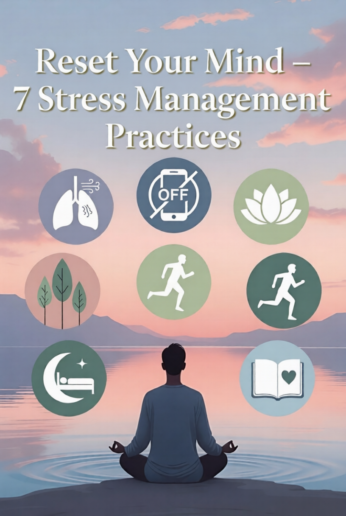
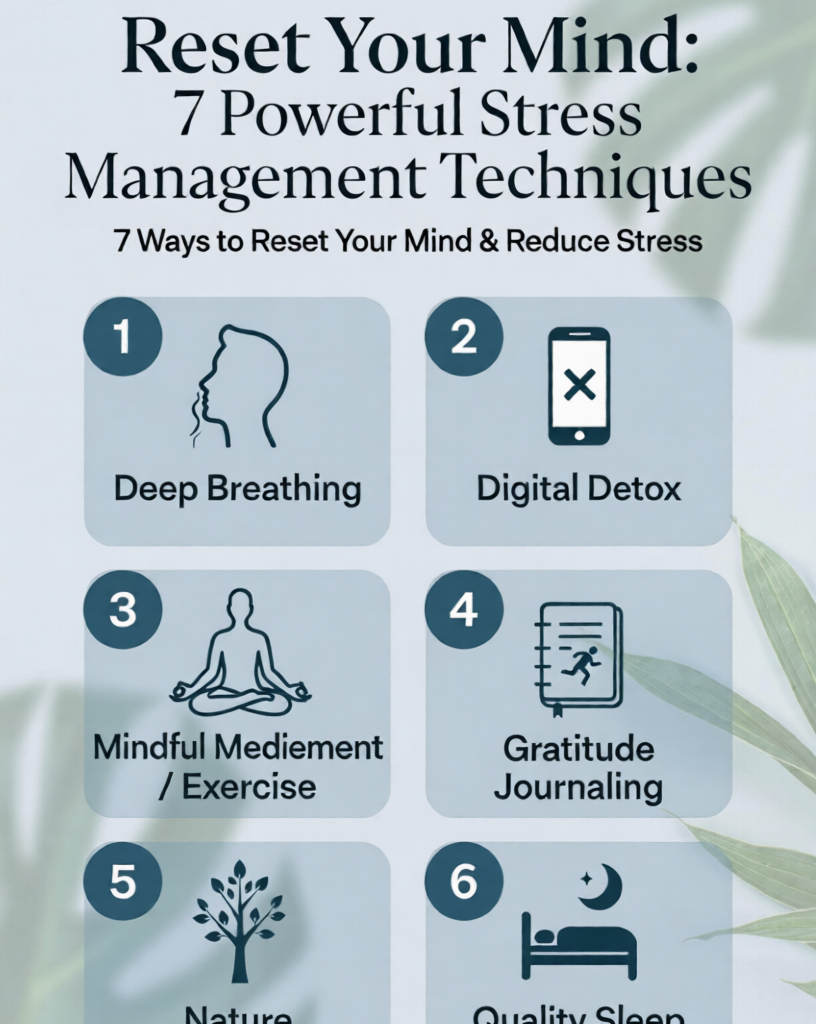
The implementation of a mental reset is an essential practice for anyone navigating the complexities of modern life. By understanding the biological and psychological mechanisms of stress, individuals can move from a state of reactive survival to one of proactive resilience. The seven strategies outlined—optimizing sleep, decelerating digital consumption, stimulating the vagus nerve, respecting ultradian rhythms, reframing thoughts, integrating movement, and immersing oneself in nature and social connection—provide a holistic framework for effective stress management.
Effective leadership and productivity are also tied to these principles. Teams that operate with autonomy and clear boundaries are often more resilient and successful. Integrating these practices not only improves individual well-being but also enhances organizational health. For further reading on leadership and productivity, exploring resources on autonomous teams 7-ways-of-powerful-autonomous-leaderless-teams or productivity strategies like active hours productivity-matrics can provide additional depth.
Ultimately, stress management is about taking control of the internal “alarm system” rather than being controlled by external demands. By prioritizing mental recalibration, one can maintain the clarity and energy necessary to lead a fulfilling and productive life.
1 thought on “How to Reset Your Mind for 7 Stress Management?”