
David stood before the executive board with confidence. The excitement that filled his heart was palpable as he was about to reveal his architectural masterpiece. He lifted his left arm to direct the laser to the projection screen. Suddenly, a strange electric sensation started rushing through his wrist. In seconds, his whole hand began to feel strange. He lost all grip of the heavy metal laser pointer, which fell on the glass table with a loud noise.
After minutes, a terrifying sensation of numbness crept to his toes. He sat down hard, believing he was suffering from a massive stroke. Everyone panicked and rushed to call an ambulance. After several hours of emergency treatment, doctors found something completely surprising hidden deep inside his complicated nervous system.
What was causing this alarming sensation of numbness in his body? To answer this question, we need to explore the secrets of your nervous system.
Table of Contents
What Are Neurons
Imagine your body as a highly advanced supercomputer. In this incredible system your brain acts as the central processor. Your neurons are the microscopic living wires connecting everything together. A neuron is a specialized cell designed exclusively to transmit information across your body using electrical and chemical signals.
Every single time you touch a warm cup of coffee or feel the soft grass under your toes, millions of sensory neurons fire instantly. They send rapid fire messages up your spinal cord to your brain. When these microscopic wires are perfectly healthy, this communication happens faster than the blink of an eye. You never even have to think about it.
How the Nervous System Works
Your nervous system has two primary divisions. The central nervous system includes your brain and spinal cord. The peripheral nervous system consists of all the delicate nerves branching out into your arms, hands, legs, and toes.
These peripheral nerves are incredibly fragile. They are covered by a protective coating called the myelin sheath. Think of this sheath like the rubber insulation wrapping an electrical cord. When this insulation gets damaged or compressed, the electrical signals misfire. The brain gets confused by the scrambled messages. This microscopic chaos directly explains why tingling in fingers and feet do occure.
Why Tingling in Fingers and Feet Do Occure
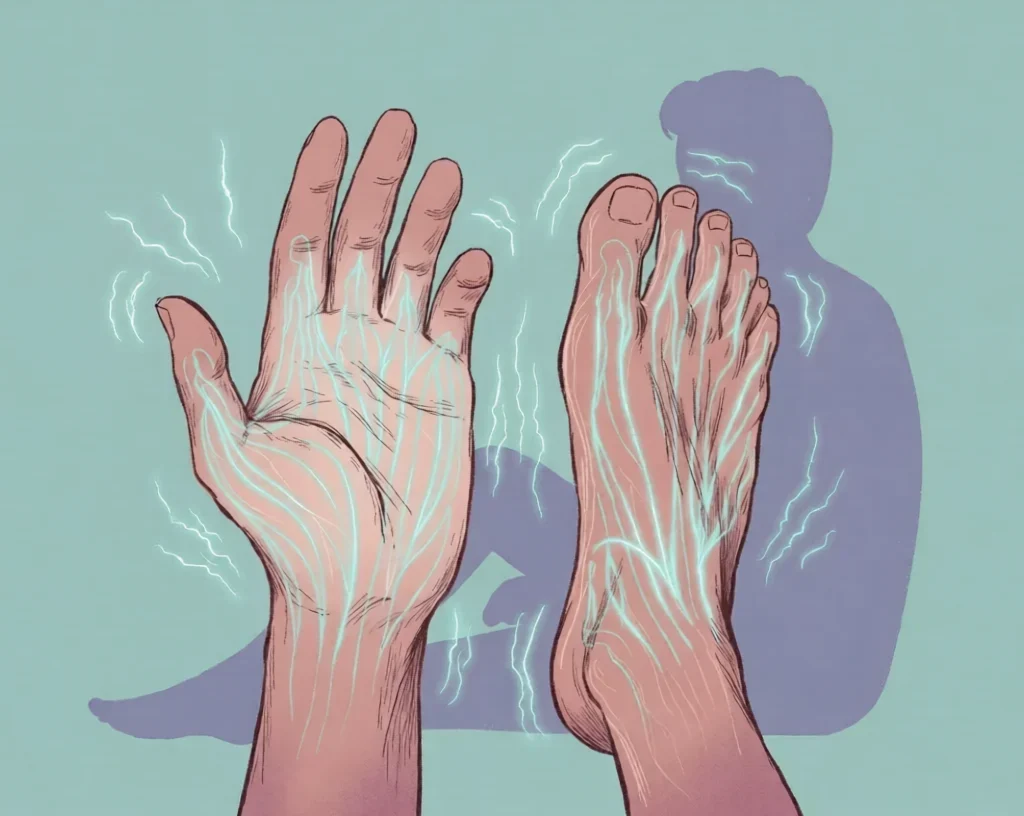
Many patients sit in my office looking anxious and ask me exactly why tingling in fingers and feet do occure. In the medical world we call this sensation paresthesia. You probably know it better as the feeling of pins and needles.
This strange sensation is essentially a distress signal from your peripheral nerves. It happens when a nerve is struggling to breathe, starving for nutrients, or fighting active inflammation. Your body produces that uncomfortable buzzing feeling to force you to pay attention. It is a brilliant biological alarm system designed to protect you from permanent damage.
Common Causes
Understanding the root cause of your symptoms is the very first step toward healing. Let us explore the most common culprits behind nerve distress.
Vitamin Deficiencies
Your nervous system demands a constant supply of specific nutrients to survive. Vitamin B12 is absolutely essential for maintaining the protective myelin sheath around your nerves. When you lack this crucial vitamin, your nerves literally lose their insulation. According to the World Health Organization, severe B12 deficiency is a leading global cause of peripheral nerve damage.
Diabetes
Consistently high blood sugar is incredibly toxic to delicate nerve fibers. Over time elevated glucose levels severely damage the tiny blood vessels that supply oxygen to your nerves. Diabetic neuropathy is an extremely common condition. Understanding this connection is a major piece of the puzzle when investigating why tingling in fingers and feet do occure.
Nerve Compression
Have you ever fallen asleep on your arm and woken up with a completely dead hand? That is temporary nerve compression. However chronic compression is far more serious. Conditions like Carpal Tunnel Syndrome in the wrists or sciatica in the lower back trap the nerves physically. The constant pressure chokes the nerve and causes severe buzzing sensations.
Poor Blood Circulation
Nerves are living tissues that require massive amounts of oxygenated blood. If your arteries are narrowed due to high cholesterol or heart conditions, your extremities suffer first. Without enough blood flow the nerves in your furthest extremities begin to suffocate and send out warning tingles.
Stress and Anxiety
Human psychology plays a remarkable role in physical symptoms. When you experience severe anxiety, your body enters a fight or flight state. You begin breathing rapidly. This hyperventilation changes the oxygen and carbon dioxide balance in your blood instantly. This chemical shift frequently causes alarming numbness around the mouth, hands, and feet.
Autoimmune Diseases
Sometimes the immune system gets tragically confused. In conditions like Rheumatoid Arthritis or Lupus, the body actively attacks its own healthy tissues. When the immune system mistakenly targets nerve fibers, chronic tingling and pain are inevitable results.
Brain Disorders
While most tingling originates in the peripheral nerves, central nervous system issues are also possible. Multiple Sclerosis is a condition where the immune system destroys the myelin sheath inside the brain and spinal cord. This prevents accurate signals from reaching your limbs.
Spinal Problems
A herniated disc in your neck or lower back can press directly against the main nerve roots exiting your spinal cord. A compressed nerve in the neck will send shooting numbness straight down your arm and into your fingers.
Warning Signs Of Tingling in Fingers and FeetYou Should Never Ignore
While a temporary foot falling asleep is perfectly normal, certain red flags require immediate medical attention. Please seek urgent care from trusted institutions like the Mayo Clinic or your local emergency room if you experience:
- Sudden numbness on one side of your face or body
- Tingling accompanied by severe muscle weakness
- Loss of bowel or bladder control
- Difficulty speaking or understanding speech
- A sudden and severely painful headache
- Symptoms that spread rapidly up your arms or legs
Diagnosis
When you visit a certified specialist for nerve pain, they become a medical detective. We rely on science and proven technology to uncover the truth.
The doctor will first test your reflexes and muscle strength. We often order comprehensive blood tests to check your blood sugar and vitamin levels. The ultimate gold standard for diagnosis is an Electromyography test. This amazing piece of technology measures the exact electrical activity in your muscles and nerves. It tells us precisely where the nerve damage is located.
Treatment Options
The medical field offers remarkable solutions for nerve distress. The treatment completely depends on the underlying cause.
If a vitamin deficiency is the culprit, simple prescribed supplements can create miraculous improvements. If diabetes is causing the issue, aggressive blood sugar control is mandatory. For severe nerve pain doctors might prescribe specific medications that calm overactive nerve signals. In cases of severe mechanical nerve compression, surgical intervention is sometimes the most reliable path to permanent relief.
Lifestyle Changes
You possess immense power to protect your nervous system every single day. The choices you make at home can transform your nerve health entirely. Quitting smoking is essential because nicotine severely restricts blood flow to your extremities. Managing your weight reduces unnecessary physical pressure on your joints and spine. Avoiding excessive alcohol intake is also critical since alcohol is directly toxic to delicate nerve cells.
Foods That Support Healthy Nerves
Nutrition is your greatest ally. Add these powerful foods to your daily routine to give your nerves the building blocks they desperately need.
| Food Item | Nutritional Benefit | Impact on Nervous System |
| Wild Salmon | Omega 3 Fatty Acids | Reduces massive nerve inflammation |
| Spinach | Magnesium and Folate | Supports healthy nerve transmission |
| Almonds | Vitamin E | Protects cellular nerve membranes |
| Eggs | Choline and Vitamin B12 | Rebuilds the protective myelin sheath |
| Sweet Potatoes | Complex Carbohydrates | Provides steady brain and nerve energy |
Exercises for Better Nerve Function
Movement is medicine. Cardiovascular exercise like brisk walking pumps oxygen rich blood directly to starving peripheral nerves. Yoga is an outstanding practice for nerve health. The gentle stretching involved in yoga relieves tight muscles that might be secretly compressing your nerves. Balance exercises also help retrain your brain to communicate effectively with your feet.
How to Prevent Tingling in Fingers and Feet
Prevention is always vastly superior to a cure. Taking early action is the ultimate strategy for longevity. To stop tingling before it starts you must maintain excellent posture while working at your desk. Take frequent breaks to stretch your wrists and legs. Wear properly fitted shoes to prevent foot nerve compression. Most importantly manage your chronic health conditions with the guidance of a trusted health professional.
Latest Scientific Discoveries
The world of neuroscience is moving at breathtaking speed. For decades scientists believed that severe peripheral nerve damage was entirely permanent. Recent groundbreaking research from the National Institute of Neurological Disorders and Stroke reveals incredible new facts about neuroplasticity. We now know that peripheral nerves actually possess a remarkable ability to regenerate under the right conditions. Scientists are currently developing incredible synthetic nerve grafts and targeted growth therapies that could revolutionize treatment in the near future.
Real Life Case Study
Let me share a compelling story from the clinic. Sarah was a 45 year old elementary school teacher. She loved her job but spent hours grading papers every evening.
Patient Background: Sarah had no prior major health issues but was slightly overweight and dealt with chronic stress.
Symptoms: She began waking up at night with a terrible burning and tingling sensation in her right thumb and index finger. Eventually she could barely hold a piece of chalk without dropping it.
Medical Evaluation: She finally visited our clinic. We performed a detailed physical exam and an ultrasound of her wrist.
Diagnosis: The tests revealed severe Carpal Tunnel Syndrome. The median nerve in her wrist was deeply compressed by inflamed surrounding tissues. This perfect textbook case beautifully illustrates why tingling in fingers and feet do occure from repetitive physical stress.
Treatment: We started with conservative treatments. Sarah wore a specialized rigid splint at night to keep her wrist perfectly straight. We also administered a highly targeted corticosteroid injection to reduce the massive local inflammation.
Recovery: Within just three weeks her painful nighttime awakenings stopped completely. Her grip strength returned to normal.
Lessons Learned: Sarah learned that ignoring early warning signs only allows inflammation to compound. Taking immediate action saved her from needing invasive surgery.
Expert Advice
If there is one absolute truth I want you to remember it is this: do not ignore your body when it whispers to you. Nerve pain starts as a gentle whisper and eventually turns into a deafening scream. If you feel strange sensations, document exactly when they happen. Bring that detailed information to a doctor you trust. Your nerves are precious biological treasures. Protect them fiercely.
Frequently Asked Questions
1. What is the absolute most common cause of tingling hands and feet?
Peripheral neuropathy caused by diabetes is statistically the most frequent culprit worldwide. High blood sugar destroys the tiny vessels feeding your nerves.
2. Can severe anxiety really cause physical numbness?
Yes absolutely. Severe anxiety triggers rapid shallow breathing. This hyperventilation completely alters your blood chemistry and instantly causes temporary tingling in your extremities.
3. Is there a simple blood test to find out why tingling in fingers and feet do occure?
Doctors frequently run specific blood panels to check your fasting glucose, Vitamin B12 levels, and thyroid function. These simple tests reveal the most common metabolic causes of nerve distress.
4. How long does a compressed nerve take to heal?
With proper rest and targeted medical treatment a mildly compressed nerve can heal within a few weeks. Severe compression might take several months of dedicated physical therapy.
5. Can drinking too much coffee cause nerve tingling?
While caffeine does not directly damage nerves, massive amounts can trigger severe jitteriness and anxiety. This secondary anxiety response can sometimes lead to temporary hyperventilation and tingling.
6. What exact vitamins should I take for healthy nerves?
A high quality B Complex supplement is essential. Vitamin B12, B6, and B1 are the absolute building blocks for maintaining your protective myelin sheath.
7. When should I rush to the emergency room for numbness?
If your numbness appears suddenly on one side of your face or body, is accompanied by confusion, or involves loss of bladder control, call emergency services instantly. These are classic stroke indicators.
8. Can wearing tight shoes genuinely cause permanent nerve damage?
Consistently wearing highly restrictive footwear can cause a condition called Morton’s Neuroma. The constant pressure thickens the tissue around the nerve leading to severe chronic toe tingling.
9. Does sitting crossed legged cause nerve damage?
Sitting awkwardly compresses the peroneal nerve behind your knee. While this usually causes temporary numbness, doing it excessively for years can potentially lead to longer lasting nerve irritation.
10. Can simple daily stretching fix nerve tingling?
If your symptoms are strictly caused by tight muscles compressing a nerve, dedicated daily stretching and yoga can absolutely provide instant and lasting relief.
Final Takeaway
Your body is a remarkable biological masterpiece. The intricate network of nerves running from your spine to your fingertips is nothing short of miraculous. We have explored the deep science of the nervous system and uncovered the fundamental reasons why tingling in fingers and feet do occure.
You now possess the powerful knowledge needed to protect your neurological health. Do not wait for a minor buzz to become a major medical crisis. Feed your body nutritious foods, stay active, and consult a trusted medical expert at the first sign of trouble.
Take action today to strengthen your nerve health and transform your future. We highly encourage you to share this essential guide with friends and family members who might be silently struggling with nerve pain. Please leave a comment below sharing your own experiences with nerve health. For more incredible medical insights, explore our other expert health articles right here on kritiinfo.com.
1 thought on “Why Tingling in Fingers and Feet Do Occure: 7 Amazing and Powerful Truths”