
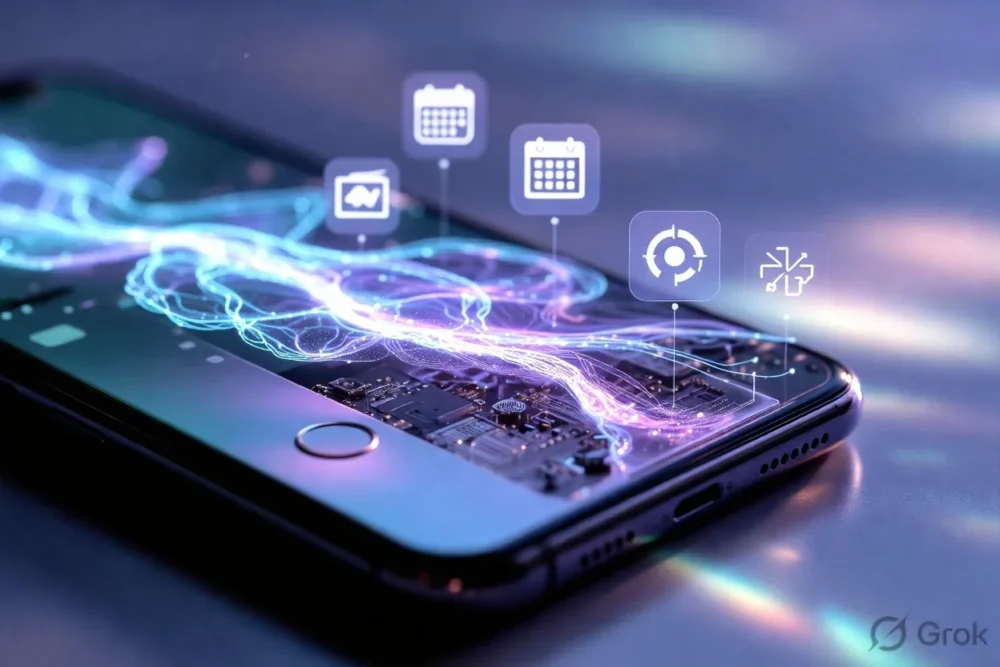
Neural Interface:The screen flickered in the dimly lit office as midnight approached. Marcus stared at the blinking cursor, his mind clouded by an unexpected wave of exhaustion. He had three hours left to finish a complex financial model, yet his thoughts felt like thick mud. Desperate, he opened a mysterious metallic case left on his desk by an anonymous courier. Inside rested a sleek, obsidian band embedded with microscopic sensors. With a sudden surge of curiosity and slight fear, he strapped the band around his temples. Within seconds, a soft chime echoed in his headphones. The heavy fog vanished. His focus sharpened into a laser beam of absolute clarity, and his fingers flew across the keyboard with astonishing speed. Yet, as the spreadsheet completed itself in record time, a cold realization gripped him. The device had not just assisted his mind; it had subtly steered his thoughts. He wondered what else the technology was altering beneath the surface.
This edge of science fiction is rapidly becoming our reality. Across the globe, modern professionals and researchers are turning to advanced brainwave sensors to unlock unprecedented levels of mental performance. Understanding this shift requires looking closely at how brain computer interfaces are redefining human potential.
Table of Contents
What Are Brainwave Sensors(Neural Interface)
Brainwave sensors are sophisticated electronic devices designed to measure electrical activity in the human brain. Typically utilizing electroencephalography principles, these non-invasive gadgets detect tiny voltage fluctuations originating from ionic current flows within the neurons of the brain.
Understanding EEG Technology
Electroencephalography serves as the backbone of modern consumer and clinical neurotechnology. Sensors placed along the scalp capture brain rhythms, categorizing them into distinct frequency bands such as delta, theta, alpha, beta, and gamma waves. Each band correlates with specific states of consciousness, ranging from deep sleep to high alert focus.
The Evolution of Hardware
Early brain monitoring systems required bulky caps drenched in conductive gel and connected to massive laboratory computers. Today, sleek headbands, smart earbuds, and lightweight caps integrate dry sensors that connect wirelessly via Bluetooth to smartphones and laptops. This transformation makes continuous cognitive tracking accessible to everyday users.
How Neural Interface Productivity Works
The core mechanism behind neural interface productivity relies on closed loop neurofeedback systems. When a user engages in deep work, the sensors monitor real time mental states. If the system detects cognitive fatigue, distraction, or wandering thoughts, it triggers subtle adjustments.
[Brainwave Sensors] ---> [Real-Time Signal Processing] ---> [Immediate Feedback Loop] ---> [Cognitive Optimization]
Measuring Cognitive Load
By tracking beta and gamma wave activity, algorithms calculate mental workload. If a task becomes too overwhelming, the interface alerts the user to take a brief micro break, preventing burnout before it happens.
Flow State Induction
Experts recommend using acoustic or visual prompts calibrated to the user’s optimal alpha wave frequency. This encourages the brain to enter a flow state faster, transforming erratic concentration into sustained, high value output.
History of Brain Computer Interfaces
The journey of connecting human thought directly to computing hardware spans nearly a century of rigorous scientific inquiry.
- 1924: German psychiatrist Hans Berger records the first human electroencephalogram, proving that electrical currents flow continuously within the living brain.
- 1973: University of California researcher Jacques Vidal coins the term brain computer interface, successfully moving a cursor on a screen using visual evoked potentials.
- 1990s: Advanced signal processing and machine learning algorithms allow researchers to decode complex neural patterns with remarkable accuracy.
- 2010s to Present: Commercial manufacturers miniaturize EEG hardware, paving the way for mainstream consumer wellness and workplace tools.
Latest Scientific Advances
Recent publications in leading journals highlight extraordinary breakthroughs in neurotechnology. Research from institutions like MIT and ScienceDirect demonstrates that modern machine learning models can predict attention lapses up to ten seconds before they actually occur.
Wireless Freedom
New material sciences have introduced nanomaterial sensors that conform seamlessly to the skin. Users no longer need messy gels or tight straps, allowing for natural movement during long work hours.
Cross-Platform Integration
Current systems synchronize smoothly with productivity software. When a drop in focus is detected, communication apps can automatically pause notifications, creating an uninterrupted bubble of concentration.
Benefits for Students
Educational environments demand continuous concentration and rapid memory retention. Integrating cognitive monitoring tools into study routines yields transformative outcomes.
Accelerated Learning
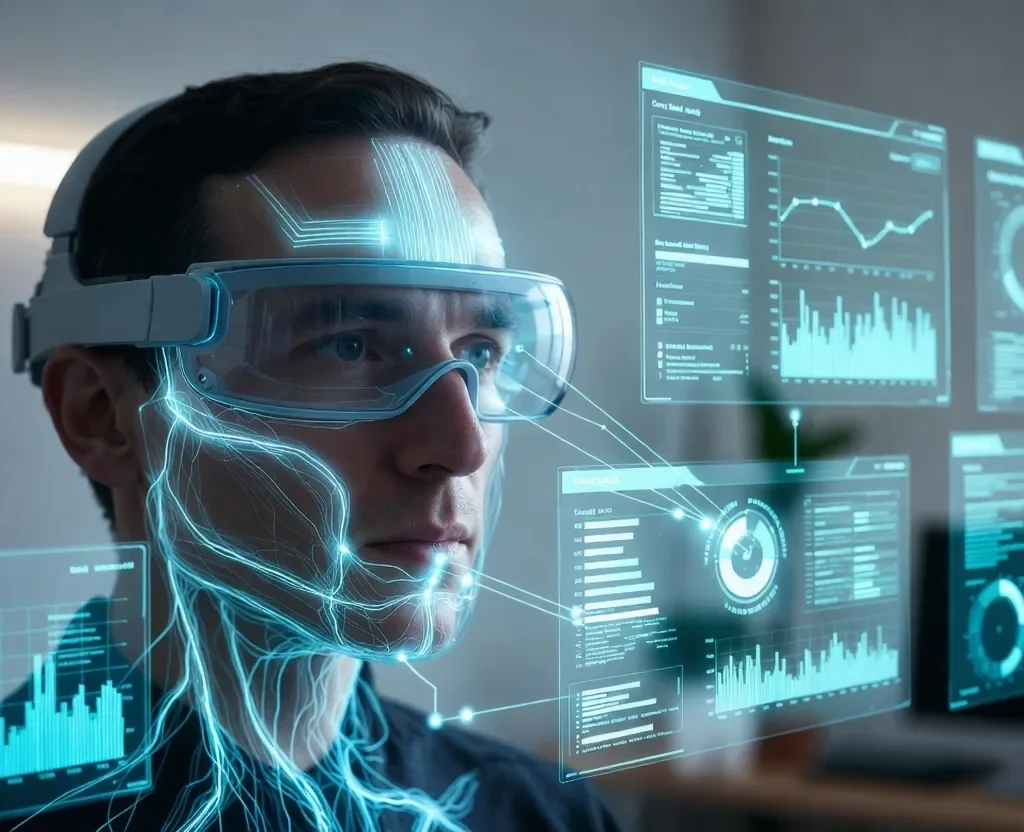
Evidence suggests that students using targeted neurofeedback retain complex subjects up to thirty percent faster. By aligning study sessions with peak neurological alertness, learners avoid wasted hours of passive reading.
Stress Reduction during Exams
Anxiety often impairs academic performance. Brainwave sensors help students identify rising stress levels early, allowing them to apply guided breathing exercises to restore calm and clarity.
Benefits for Professionals
The modern workplace is filled with digital distractions. Achieving deep work requires reliable methods to shield attention from endless emails and chat pings.
Optimized Workflow Management
Professionals utilize real time cognitive dashboards to schedule demanding analytical tasks during peak alertness hours and routine administrative work during lower energy dips.
Enhanced Decision Making
Under pressure, cognitive fatigue leads to poor choices. Research based neurotechnology alerts executives when mental clarity wavers, ensuring high stakes decisions are made with a fully refreshed mind.
Healthcare Applications
Beyond corporate offices and classrooms, brainwave sensors play a crucial role in modern clinical environments.
Neurological Rehabilitation
Patients recovering from strokes use brain computer interfaces to retrain neural pathways, speeding up motor function recovery through visualized movement exercises.
Sleep Medicine
Clinicians rely on wearable EEG sensors to monitor sleep architecture at home, diagnosing disorders accurately without requiring overnight laboratory stays.
Gaming Revolution
The entertainment industry embraces brainwave sensors to deliver immersive, thought controlled gaming experiences.
Adaptive Difficulty
Games dynamically adjust their challenge level based on the player’s frustration or boredom levels, maintaining optimal engagement without causing rage quitting.
Hands Free Controls
For individuals with physical disabilities, neural interfaces provide a seamless way to navigate virtual worlds using pure intention.
Education Transformation
Schools and universities worldwide are exploring how neurotechnology can reshape teaching methodologies.
Personalized Classrooms
Teachers gain transparent insights into collective student comprehension levels, allowing them to pause and explain difficult concepts when the classroom’s aggregate attention dips.
Special Education Support
Non-verbal students and those with attention deficits find powerful new voices and learning avenues through intuitive brainwave tracking applications.
Privacy Challenges
With great technological power comes profound responsibility regarding personal data protection.
Protecting Neural Data
Brainwaves reveal intimate details about emotional states, health conditions, and personal thoughts. Safeguarding this sensitive information from corporate exploitation or data breaches remains a top priority for lawmakers.
Transparent Consent
Users must retain complete control over who accesses their cognitive metrics. Transparent privacy policies ensure that productivity tracking does not morph into invasive workplace surveillance.
Ethical Concerns
The rise of cognitive enhancement raises significant philosophical and moral questions across society.
The Equity Gap
If elite cognitive tools are available only to wealthy corporations and individuals, society risks creating an unfair biological divide. Ensuring affordable access remains a vital goal for researchers.
Authenticity of Achievement
Critics wonder whether accomplishments driven by neural optimization diminish personal merit. Experts argue that tools simply clear away obstacles, leaving human creativity at the center of success.
Future Possibilities
As hardware shrinks and algorithms grow smarter, the horizon of human machine collaboration expands infinitely.
Seamless Neural Dust
Future developments point toward microscopic sensors capable of floating safely near neural pathways, offering ultra high definition cognitive monitoring.
Telepathic Teamwork
Imagine collaborative workspaces where team members synchronize their focus states to brainstorm complex projects in absolute harmony.
Expert Tips
Maximizing the advantages of cognitive sensors requires mindful daily habits and disciplined implementation.
- Start Slowly: Wear the sensor for only fifteen minutes a day initially to build comfort.
- Calibrate Regularly: Always complete the software baseline calibration to ensure accurate data readings.
- Combine with Rest: Remember that technology cannot replace natural sleep and proper nutrition.
- Analyze Trends: Review weekly reports to identify your personal biological peak performance windows.
Common Myths
Misconceptions often surround emerging neurotechnology, creating unnecessary fear and hesitation.
- Myth: Brainwave sensors can read your secret thoughts.
- Fact: They only measure electrical voltage rhythms, not specific thoughts or memories.
- Myth: The devices send electrical shocks into the brain.
- Fact: They are strictly passive receiving monitors that emit no electricity.
- Myth: Only elite scientists can operate them.
- Fact: Modern consumer interfaces are designed for plug and play simplicity.
Final Takeaway
Brainwave sensors represent a remarkable leap forward in human capability. By bridging the gap between biology and technology, they offer practical pathways to elevate focus and master daily tasks. Embracing these tools responsibly empowers anyone to take control of their mental destiny. Explore more technology guides on KritiInfo.com to continue your journey into the future of innovation.
Case Study
Company Profile: Apex Financial Analytics
Apex Financial Analytics, a mid sized financial advisory firm based in Chicago, faced a persistent challenge. Analysts spent hours poring over complex market data, yet afternoon fatigue frequently led to calculation errors and delayed report delivery.
The Intervention
The firm introduced a pilot program equipping ten senior analysts with consumer grade EEG headbands designed to optimize neural interface productivity during market hours. The system provided gentle haptic feedback whenever focus dropped below optimal thresholds, prompting brief breathing exercises.
Measurable Improvements
- Error Reduction: Calculation mistakes dropped by forty two percent within the first month.
- Time Savings: Complex financial models were completed twenty five percent faster.
- Employee Well-being: Staff reported a significant decrease in end of day mental exhaustion.
Practical Lessons
Apex discovered that forcing continuous work is counterproductive. By respecting biological rhythms and using real time cognitive data to schedule micro breaks, the firm achieved higher output with happier, less stressed employees.
Frequently Asked Questions
1. What exactly does a brainwave sensor measure?
It measures electrical voltage fluctuations on the scalp generated by neural firing patterns inside the brain, commonly categorized into frequency bands like alpha and beta waves.
2. Is wearing a brainwave sensor safe?
Yes, consumer EEG devices are entirely non-invasive passive receivers that do not transmit electrical currents into the head.
3. Can neural interface productivity tools read my private thoughts?
No. The sensors lack the spatial resolution and decryption capabilities needed to read specific thoughts, memories, or internal dialogue.
4. How long does it take to see results?
Most users notice improvements in focus within one to two weeks as they learn to recognize their personal attention triggers and mental patterns.
5. Do I need technical experience to use these devices?
Not at all. Modern headbands connect via Bluetooth to smartphone apps featuring simple, intuitive interfaces designed for everyday consumers.
6. Can students benefit from brainwave tracking?
Yes, students use these tools to identify optimal study times, reduce test anxiety, and accelerate information retention rates significantly.
7. What is the difference between EEG and invasive brain implants?
EEG uses surface sensors on the scalp, making it safe and non-invasive, whereas implants require surgical placement directly onto or inside brain tissue.
8. Where can I learn more about emerging neurotechnology?
You can explore reliable articles and research updates on IEEE, MIT publications, and KritiInfo.com.
Key Takeaways
- Brainwave sensors translate electrical brain activity into actionable performance insights.
- Neural interface productivity relies on closed loop neurofeedback to maintain deep focus.
- Modern devices are non-invasive, wireless, and easy for everyday professionals to use.
- Balancing technology use with natural rest ensures sustainable, long-term cognitive health.
Strong Call to Action
Unlock your ultimate potential today. Transform your daily routine by mastering advanced neurotechnology and exploring more insightful guides right here on KritiInfo.com. Take control of your focus and step into the future of work now.
1 thought on “5 Astounding Neural Interface Productivity Secrets”