
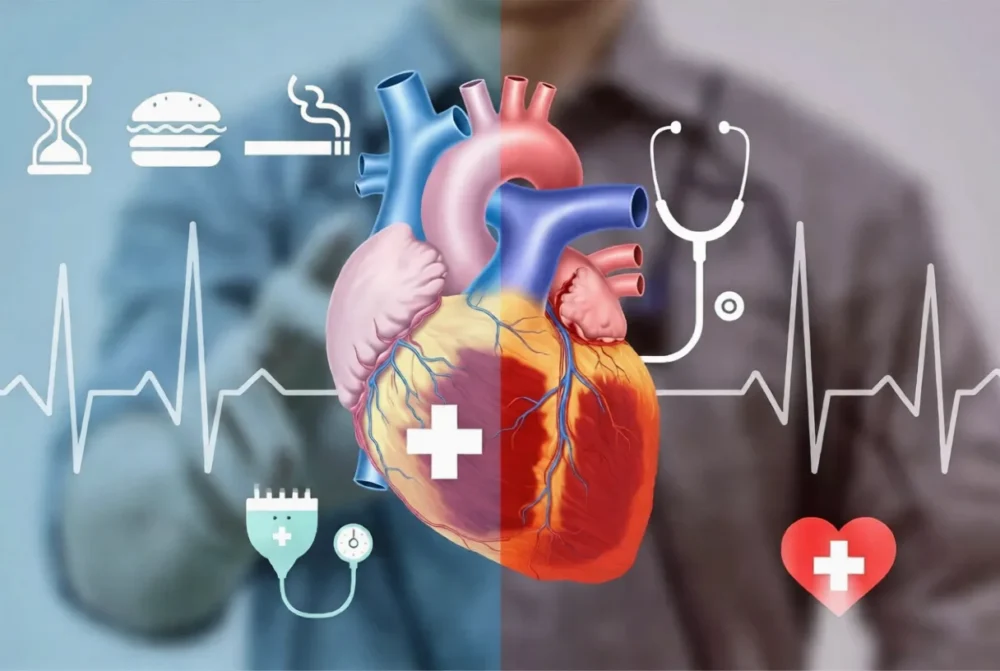
A man laughed with his family during dinner. Twenty minutes later, he collapsed without warning. Doctors called it the silent killer. But the frightening truth had actually begun years earlier. Every single day, millions of people walk around completely unaware that their arteries are slowly choking their hearts. You might be asking why ischemic heart disease has highest death rate across the entire globe today. The answer is both terrifying and incredibly hopeful, because this condition is largely preventable.
We need to understand exactly what happens inside our bodies before disaster strikes. By looking at the scientific evidence and clinical experience of top cardiologists, we can take control of our health. Let us uncover the real reasons behind these alarming statistics and learn how to protect the people we love.
Table of Contents
What Is Ischemic Heart Disease?
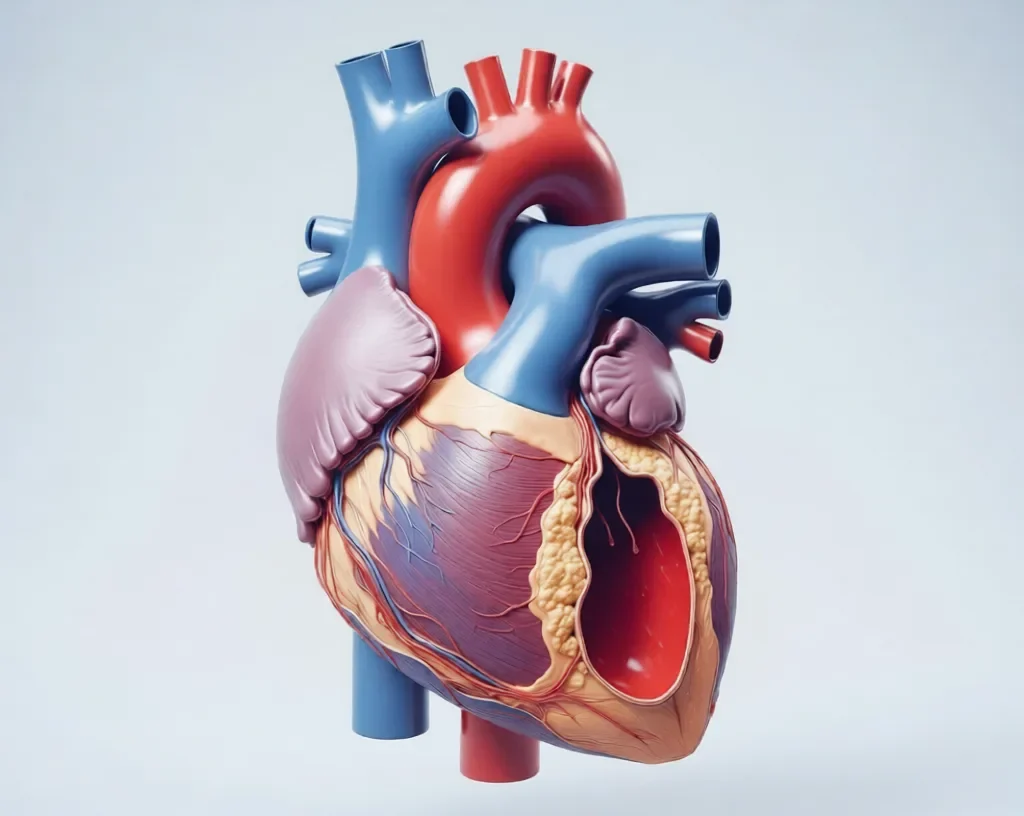
Ischemic heart disease is a medical condition where the blood vessels supplying the heart muscle become narrowed or completely blocked. The word “ischemia” simply means a restricted blood supply. Your heart is a muscle that pumps non stop. To do this heavy lifting, it needs a constant flow of oxygen rich blood.
When plaque builds up inside your coronary arteries, the space for blood to flow gets smaller. Plaque is made of fat, cholesterol, calcium, and other substances found in the blood. Over time, this buildup hardens. This exact process is called atherosclerosis. When the heart muscle does not get enough oxygen, you might feel chest pain or experience a full heart attack.
Why Ischemic Heart Disease Has Highest Death Rate
Many people are shocked when they read the statistics from the World Health Organization. If you want to know why ischemic heart disease has highest death rate, you must look at how it develops. The disease grows silently. It does not cause obvious symptoms until the blockage is severe.
By the time someone feels a sharp pain in their chest, the damage has often been accumulating for decades. Modern society is also perfectly designed to accelerate this disease. We sit for long hours, eat highly processed foods, and live under constant stress. Furthermore, many people ignore the early warning signs, thinking they just have heartburn or simple fatigue. This deadly combination of silent progression and delayed medical treatment is the primary reason why ischemic heart disease has highest death rate globally.
How Blood Supply Stops
The process of a heart attack is dramatic on a microscopic level. The plaque inside an artery can suddenly rupture or tear. When this happens, your body treats it like a cut on your skin. Blood cells called platelets rush to the area to form a clot.
Inside a tiny artery, this clot can completely block the flow of blood. Within minutes, the heart muscle cells that rely on that artery begin to starve. If the blockage is not opened quickly, those muscle cells will die. This permanent damage weakens the heart and can lead to fatal arrhythmias or heart failure.
Hidden Early Warning Signs
Your body often whispers before it screams. Recognizing these whispers can be absolutely life changing.
- Unusual fatigue after normal activities
- Shortness of breath while climbing a single flight of stairs
- Discomfort in the jaw, neck, or back
- A feeling of heavy pressure or squeezing in the center of the chest
- Unexpected cold sweats without physical exertion
- Nausea or lightheadedness upon standing
Silent Risk Factors
The foundation of heart disease is built on risk factors that do not always make you feel sick.
Role of Diabetes
High blood sugar heavily damages the inner lining of your blood vessels. This damage makes it incredibly easy for cholesterol to stick to the artery walls. People with diabetes are twice as likely to develop heart disease compared to those without it.
Role of High Blood Pressure
Think of high blood pressure as water forcefully blasting through a garden hose. The excessive force damages the delicate walls of your coronary arteries. This creates microscopic tears where deadly plaque can easily hide and grow.
Role of Smoking
Chemicals in cigarette smoke thicken your blood and make it sticky. Smoking also lowers your good cholesterol and directly damages your blood vessels. Quitting smoking is the fastest way to drop your risk of a sudden heart attack.
Role of Stress
Chronic emotional stress floods your body with cortisol and adrenaline. These hormones raise your heart rate and increase your blood pressure. Long term stress also leads to poor choices like overeating or skipping exercise.
Role of Obesity
Carrying excess weight forces your heart to work much harder to pump blood throughout your body. Visceral fat, which sits around your internal organs, actively releases inflammatory chemicals that accelerate plaque buildup.
Role of Cholesterol
There are two main types of cholesterol. Low density lipoprotein is the bad kind that builds up in your arteries. High density lipoprotein is the good kind that carries excess cholesterol back to your liver. A poor balance between these two is a guaranteed recipe for heart blockages.
How Doctors Diagnose Ischemic Heart Disease
Modern medicine uses brilliant technology to look inside your chest. Cardiologists rely on a mix of simple tests and advanced imaging.
- Electrocardiogram: This simple test measures the electrical activity of your heart to spot abnormal rhythms.
- Blood Tests: When heart muscle dies, it releases specific proteins like troponin into the blood.
- Stress Test: Doctors monitor your heart while you walk on a treadmill to see how it handles physical exertion.
- Echocardiogram: Sound waves create a moving picture of your heart valves and pumping chambers.
- Angiogram: A special dye is injected into your arteries, and X-ray images reveal the exact location of any blockages.
Latest Treatments
Medical consensus has dramatically improved how we treat blockages today. The primary goal is always to restore blood flow safely and rapidly.
Medications like statins lower cholesterol and stabilize plaque. Blood thinners prevent deadly clots from forming. If medications are not enough, doctors might perform an angioplasty. During this procedure, a tiny balloon inflates inside the blocked artery to push the plaque aside. A small wire mesh tube called a stent is then left in place to keep the artery wide open. In severe cases, a coronary artery bypass surgery reroutes blood flow around the blocked areas using healthy vessels from the patient’s own leg or chest.
Emergency First Aid
Every single minute counts when a heart attack strikes. If you suspect someone is suffering from a heart attack, call emergency services immediately. Have the person sit down and rest. Loosen any tight clothing. If the person is not allergic to aspirin, having them chew a regular aspirin can help thin the blood and minimize damage while the ambulance arrives. Never try to drive the person to the hospital yourself if professional help is available.
Recovery Journey
Surviving a heart attack is just the beginning of a lifelong journey. Cardiac rehabilitation is a medically supervised program designed to improve cardiovascular health.
Patients learn how to exercise safely, manage their stress, and eat a heart healthy diet. The emotional recovery is equally important. Many survivors experience fear, anxiety, or depression. Joining support groups and speaking with a counselor provides massive relief and builds lasting confidence.
Daily Prevention Habits
You have the incredible power to change your future. Scientifically proven habits can literally reverse early heart damage.
- Eat a diet rich in whole grains, vegetables, and lean proteins.
- Walk briskly for at least thirty minutes every single day.
- Prioritize seven to eight hours of quality sleep every night.
- Drink plenty of water and limit sugary beverages.
- Practice deep breathing or meditation to calm your nervous system.
Common Myths
Many people believe false information about heart health. One common myth is that heart disease only affects older men. The truth is that heart disease is the leading killer of both men and women, and it can strike people in their thirties. Another myth is that if you have a family history of heart disease, you are doomed. While genetics play a role, your daily lifestyle choices have a much larger impact on your actual outcome.
Future Research
Scientists are continuously looking for new ways to combat this disease. Researchers are testing genetic therapies that might permanently lower bad cholesterol levels. They are also exploring how artificial intelligence can read medical scans to predict heart attacks years before they happen. This cutting edge research offers immense hope for future generations.
10. Comparison Table
| Risk Factor | Impact on the Heart | Preventability |
| High Blood Pressure | Damages artery walls rapidly | Highly Preventable |
| Smoking Tobacco | Thickens blood and promotes clots | Completely Preventable |
| Genetic History | Increases baseline cholesterol levels | Manageable with care |
| Chronic Stress | Elevates resting heart rate constantly | Highly Preventable |
| Diabetes Mellitus | Accelerates plaque hardening | Highly Manageable |
11. Case Study
Patient Background:
David is a fifty two year old accountant who worked sixty hours a week. He was slightly overweight, smoked occasionally when stressed, and skipped annual checkups.
Symptoms:
During a weekend hike, David felt a strange burning sensation in his throat and a heavy ache in his left shoulder. He blamed it on carrying a heavy backpack. Two hours later, he broke into a cold sweat and felt crushing pressure on his chest.
Diagnosis:
His wife immediately called an ambulance. At the emergency room, an electrocardiogram and blood tests confirmed he was having a severe myocardial infarction. An emergency angiogram revealed a ninety percent blockage in his main descending artery.
Treatment:
Doctors performed a life saving angioplasty. They inserted a drug eluting stent to clear the massive blockage. David was placed on a strict regimen of blood thinners and cholesterol lowering medication.
Recovery:
David spent four days in the hospital. He then entered a twelve week cardiac rehabilitation program. He quit smoking entirely, adopted a Mediterranean diet, and started walking two miles every morning.
Lessons Learned:
David realized that his body had been giving him minor warning signs for months. He learned that chronic stress and skipping routine blood work almost cost him his life. Today, he advocates for regular medical checkups at his workplace.
12. Expert Tips
- Know your numbers. Always keep track of your blood pressure, blood sugar, and cholesterol levels.
- Move more. Even breaking up long periods of sitting with a two minute walk significantly helps your circulation.
- Read food labels. Hidden sodium in canned soups and breads drastically raises blood pressure.
13. Warning Box
14. Did You Know Box
Did You Know? Your heart beats roughly one hundred thousand times every single day. Over an average lifetime, it will pump about one million barrels of blood. Protecting the tiny blood vessels that feed this miraculous pump is the most important health decision you will ever make.
15. FAQ (Schema Ready)
What exactly is ischemic heart disease?
Ischemic heart disease occurs when the arteries that supply blood to your heart muscle become narrowed by plaque buildup. This restricted blood flow deprives the heart of vital oxygen and nutrients. Over time, it can lead to chest pain, dangerous arrhythmias, or a complete heart attack.
How do I know if I have blocked arteries?
Most people have absolutely no symptoms during the early stages of arterial blockage. As the disease progresses, you might feel chest tightness, shortness of breath during exercise, or unusual fatigue. A doctor must perform specific medical tests like an angiogram or stress test to definitively diagnose a blocked artery.
Can you completely reverse ischemic heart disease?
While you cannot entirely erase all plaque buildup, you can stop its progression and significantly improve blood flow. Strict lifestyle changes, a healthy plant based diet, regular exercise, and prescribed medications have been scientifically proven to shrink dangerous plaques and restore cardiovascular health.
Is heart disease hereditary?
Genetics absolutely play a role in your overall risk profile. If your parents or siblings had early heart disease, you are at a higher risk. However, expert consensus shows that healthy lifestyle choices like exercising and not smoking can overcome a large portion of your genetic risk.
Why are women misdiagnosed during heart attacks?
Women frequently experience atypical symptoms during a heart attack. Instead of the classic crushing chest pain, they might feel nauseous, unusually tired, or have pain in their upper back. Because these symptoms mimic the flu or simple stress, they are often overlooked by both patients and medical staff.
What is the fastest way to lower blood pressure naturally?
The most effective natural method to quickly lower blood pressure is engaging in daily aerobic exercise like brisk walking. Additionally, drastically cutting sodium intake, eating potassium rich foods, and practicing deep breathing exercises will reliably relax your blood vessels.
Does stress really cause heart attacks?
Yes. Severe emotional or physical stress causes your body to release massive amounts of adrenaline. This sudden chemical surge narrows your blood vessels and spikes your heart rate. In a person with existing plaque buildup, this sudden pressure can cause a plaque to rupture and trigger a massive heart attack.
How does diabetes affect my heart?
High blood sugar levels act like sandpaper on the smooth inner lining of your blood vessels. This continuous damage creates sticky spots where cholesterol easily collects. This explains why patients with unmanaged diabetes develop atherosclerosis much faster than those with normal blood sugar levels.
Are eggs bad for my heart?
Current expert reviewed research shows that eating eggs in moderation does not significantly raise the risk of heart disease for healthy individuals. The saturated fats from bacon, sausage, and butter typically eaten alongside eggs are far more harmful to your cholesterol levels.
How frequently should I get my heart checked?
Adults over the age of twenty should have their blood pressure checked at least once a year and their cholesterol levels checked every four to six years. If you have existing risk factors like obesity or a family history of heart disease, your doctor will likely recommend annual screenings.
16. Key Takeaways
- Ischemic heart disease is a silent condition that builds up over decades before striking.
- Plaque buildup in the coronary arteries is driven by high blood pressure, high cholesterol, smoking, and diabetes.
- Recognizing the subtle warning signs like unusual fatigue and breathlessness can literally save your life.
- Emergency response time is critical to prevent permanent heart muscle death.
- Daily exercise, a balanced diet, and stress management are scientifically proven to protect your heart.
17. Conclusion
It is a sobering reality to learn exactly why ischemic heart disease has highest death rate in the world. The silent nature of plaque buildup means that danger hides deep within us, often completely unnoticed until a crisis occurs. However, this knowledge should not bring you fear. Instead, it should bring you immense hope and confidence. Because we know exactly how this disease works, we also know exactly how to stop it.
You possess the absolute power to change your health trajectory starting today. By eating nutritious foods, moving your body, and managing your daily stress, you build a fortress around your heart. Do not wait for a terrifying warning sign to take action. Protect yourself, inspire your family, and take control of your cardiovascular future right now.
18. Reader Call to Action
Take control of your health today. Do not let yourself or your family become another tragic statistic. Schedule a checkup with your doctor this week to check your blood pressure and cholesterol levels. If you found this article helpful, discover more expert reviewed health guides right here on KritiInfo.com. Share this vital information with someone you love, it might just save their life!
1 thought on “Why Ischemic Heart Disease Has Highest Death Rates:7 Vital Facts”