

Someone enters a hospital expecting a routine checkup. They feel a little tired lately, perhaps a bit swollen around the ankles, but nothing truly alarming. They sit in the waiting room scrolling through their phone.
Minutes later, they are called into the consultation room.
The doctor’s face suddenly changes as they review the lab results.
A single blood report reveals something terrifying. The serum creatinine levels are off the charts. The estimated glomerular filtration rate has plummeted.
That person never imagined their kidneys had already lost more than half of their function. There was no severe pain. There were no obvious warning signs. Just a quiet, continuous decline happening beneath the surface.
This scenario plays out thousands of times every single day around the world. Medical experts are sounding the alarm because the number of people facing this exact situation is skyrocketing. You might be wondering what exactly is driving this crisis. When we analyze the global health data, we uncover exactly why kidney failure has become prominent since 2000.
The reasons are deeply connected to how we live, eat, and manage our daily stress. Let us explore the shocking reality behind this modern health crisis and discover exactly how you can protect yourself.
Table of Contents
Why Kidney Failure Has Become Prominent Since 2000
If we look back just a few decades, chronic kidney disease was a serious but relatively less common condition. Fast forward to today, and the World Health Organization notes that millions of people are living with severe kidney damage. To understand why kidney failure has become prominent since 2000, we have to look at the massive shifts in our modern environment.
The truth is that our bodies are processing a wildly different world than they did in the late 1990s. The food supply changed. Our activity levels plummeted. Our reliance on quick medical fixes skyrocketed.
What Changed After 2000
The turn of the millennium brought incredible technological advancements, but it also introduced hidden dangers to our internal organs. Research shows that the combination of heavily processed diets, sedentary office jobs, and an aging population created the perfect storm for renal failure. We stopped moving, started eating synthetic ingredients, and watched chronic illnesses multiply.
Hidden Lifestyle Changes
According to specialists, the modern lifestyle is incredibly hostile to kidney health. We sit for eight to ten hours a day. We stare at screens instead of sleeping. We rely on convenience rather than quality. These hidden lifestyle changes force our filtering organs to work overtime while receiving less oxygenated blood flow due to poor circulation.
Diabetes Explosion
The most critical factor explaining why kidney failure has become prominent since 2000 is the explosive rise in type 2 diabetes. Clinical evidence confirms that high blood sugar acts like microscopic shards of glass inside your blood vessels. Over time, this excess glucose destroys the delicate filters inside your kidneys. Today, diabetes is the leading cause of kidney disease worldwide.
High Blood Pressure Crisis
Coming in at a close second is the global high blood pressure crisis. Your kidneys are essentially complex tangles of tiny blood vessels. When your blood pressure remains high, it stretches and damages these vital vessels. The National Institute of Diabetes and Digestive and Kidney Diseases warns that unchecked hypertension is a guaranteed path to kidney damage. For a deeper dive into managing this, you can check out the comprehensive [Link to kritiinfo.com article on high blood pressure] guide on our site.
Processed Food Revolution
Since the early 2000s, the processed food revolution completely altered human nutrition. Grocery store shelves are packed with ultra processed foods loaded with artificial phosphorus and hidden sodium. Unlike natural phosphorus found in nuts and seeds, the chemical additives in fast food are absorbed completely by the body. This places a massive, unnatural filtering burden on healthy kidneys.
Painkiller Abuse
Another shocking reason why kidney failure has become prominent since 2000 is the widespread abuse of over the counter painkillers. Nonsteroidal anti inflammatory drugs are easily accessible. People pop them daily for minor headaches or joint pain without a second thought. Medical experts verify that chronic daily use of these medications restricts blood flow to the kidneys, causing permanent scarring over time.
Environmental Pollution
Scientific findings increasingly point to environmental factors. Heavy metals, microplastics, and industrial chemicals in our air and water supply are filtered directly through the renal system. The accumulation of these modern toxins creates severe oxidative stress, leading to long term kidney damage.
Stress and Poor Sleep
Never underestimate the physical impact of chronic stress and poor sleep. When you are constantly stressed, your body pumps out cortisol and adrenaline, which spikes your blood pressure. Furthermore, your kidneys follow a circadian rhythm. A lack of deep sleep deprives them of their critical nightly repair cycle.
Obesity Epidemic
The global obesity epidemic directly correlates with why kidney failure has become prominent since 2000. Excess body weight forces the kidneys to filter more blood than normal to meet the metabolic demands of the increased body mass. This hyperfiltration damages the organ structure over time, paving the way for chronic kidney disease.
Silent Symptoms
Kidney disease is often called a silent killer. Most people will not feel any symptoms until the disease is highly advanced. However, trusted medical professionals suggest watching for these subtle signs:
- Unexplained fatigue and low energy
- Swelling in the feet, ankles, or face
- Changes in urination frequency or foamy urine
- A persistent metallic taste in the mouth
- Muscle cramps, especially at night
- Dry and itchy skin
Who Is Most at Risk
Understanding your risk is the first step toward kidney prevention. You are at a significantly higher risk if you have:
- A family history of kidney failure
- A diagnosis of diabetes or high blood pressure
- Heart disease
- Age over 60 years
- A history of smoking or heavy alcohol use
How Kidneys Get Damaged
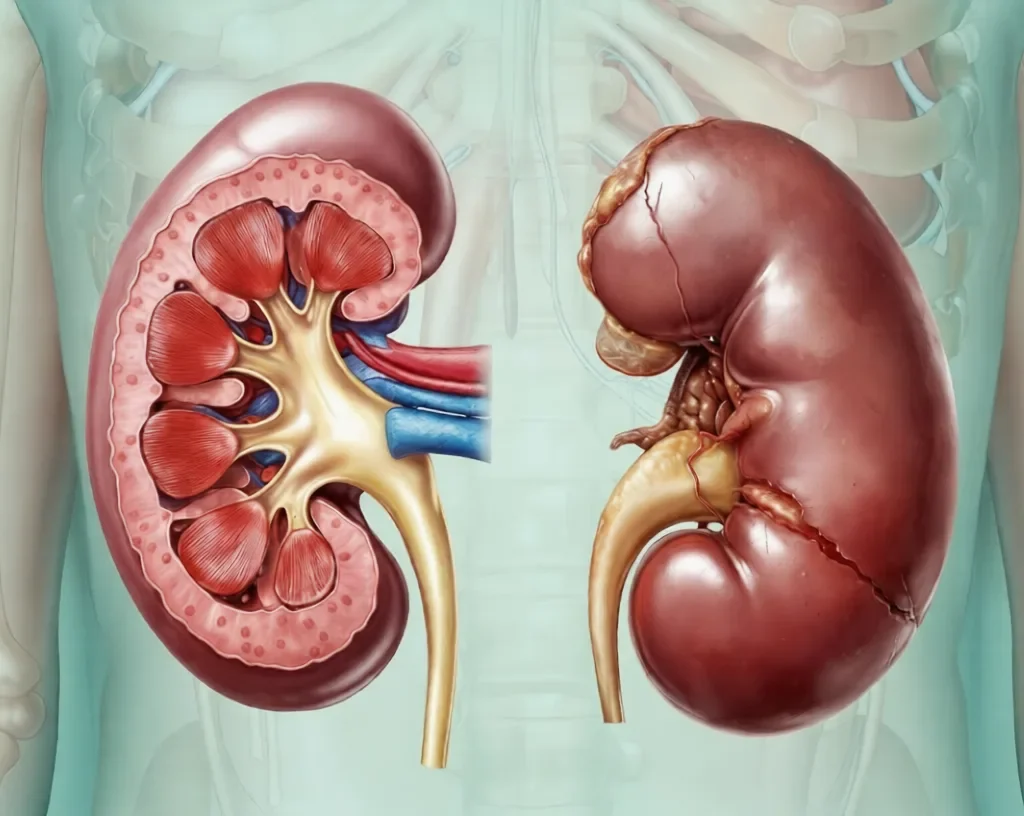
To truly grasp why kidney failure has become prominent since 2000, we must look inside the body. Each kidney contains about a million tiny filtering units called nephrons. When you experience high blood pressure, high blood sugar, or chemical toxicity, these nephrons get inflamed. Slowly, they die off. The remaining nephrons take on the extra workload until they too collapse under the pressure.
Latest Medical Findings
Recent clinical evidence offers incredible insights into kidney care. Researchers are discovering that the gut microbiome plays a massive role in kidney function. A healthy gut prevents uremic toxins from entering the bloodstream, taking a huge burden off the renal system. Additionally, new classes of medications are showing remarkable success in slowing the progression of kidney damage in diabetic patients.
Can Kidney Failure Be Prevented
The most powerful takeaway from all this research is a message of hope. Yes, in the vast majority of cases, kidney failure can be prevented or significantly delayed. It requires proactive action, lifestyle adjustments, and regular medical screening.
Daily Habits That Protect Kidneys
Protecting your renal health does not require complicated routines. It requires consistency.
- Drink adequate water daily to help clear sodium and toxins.
- Engage in 30 minutes of cardiovascular exercise to maintain healthy blood pressure.
- Sleep seven to eight hours every single night.
- Manage stress through meditation or walking.
- Never exceed the recommended dosage for over the counter pain medications.
Foods That Help
Evidence based nutrition is your best defense. Incorporate foods rich in antioxidants and healthy blood flow promoters.
- Fresh berries like blueberries and cranberries
- Leafy greens like spinach and kale
- Fatty fish rich in Omega 3s
- Olive oil and garlic
- Apples and red bell peppers
Foods That Harm
To maintain healthy kidneys, you must limit certain dietary choices that cause immediate stress to the renal system.
- Dark colas loaded with artificial phosphorus
- Canned soups heavily preserved with sodium
- Processed deli meats
- Excessive amounts of red meat
- Fast food items deep fried in inflammatory oils
Medical Screening
Early detection is life changing. The Centers for Disease Control and Prevention recommends two simple tests for anyone at risk. First, a blood test checks your GFR to see how well your kidneys are filtering. Second, a urine test checks for albumin, a protein that leaks into your urine when your kidney filters are damaged.
Treatment Options
If you or a loved one receives a diagnosis of chronic kidney disease, there are reliable treatment options available.
- Medication Management: Controlling blood pressure and blood sugar is the critical first step.
- Dietary Adjustments: Working with a renal dietitian to limit potassium, phosphorus, and sodium.
- Dialysis: In advanced stages, a machine takes over the filtering work of the kidneys.
- Kidney Transplant: The ultimate treatment for total renal failure, offering a renewed lease on life.
Hope for Patients
A diagnosis is not the end of the story. Medical science is advancing rapidly. From wearable dialysis technology to breakthroughs in regenerative medicine, there is immense hope for patients. Many people with chronic kidney disease live long, fulfilling lives by strictly adhering to their medical and dietary protocols.
Expert Tips
According to specialists, the best thing you can do today is to know your numbers. Know your blood pressure. Know your A1C levels. Know your GFR. When you have this data, you hold the power to transform your health future.
Realistic Case Study
Consider the story of Mark, a 46 year old office worker. Mark spent his days sitting at a desk, fueled by fast food and numerous cups of coffee.
Symptoms: For months, Mark ignored his severe afternoon fatigue and the slight swelling around his ankles. He assumed he was just getting older and working too hard.
Diagnosis: During a mandatory health screening for his life insurance, his blood work returned shocking results. His blood pressure was dangerously high, and his GFR indicated stage 3 chronic kidney disease.
Treatment: Terrified but determined, Mark took immediate action. Under professional recommendation, he started blood pressure medication. He completely overhauled his diet, eliminating processed meats and dark sodas. He started walking two miles every evening.
Outcome: Over the next two years, Mark did not just halt the progression of his kidney damage. His overall health transformed. He lost thirty pounds, his energy returned, and his kidney function stabilized perfectly.
Lessons learned: Mark’s story proves that early detection and aggressive lifestyle changes can save your life.
Conclusion
Understanding why kidney failure has become prominent since 2000 is a wake up call for all of us. The modern world surrounds us with ultra processed foods, high stress environments, and sedentary routines that silently destroy our filtering organs. But you are not powerless.
By taking charge of your diet, monitoring your blood pressure, and making daily movement a priority, you can protect your kidneys. Share this critical knowledge with your family. Schedule that routine checkup. Take action today to ensure your kidneys stay healthy for a lifetime.
FAQ
1. What are the first signs of kidney failure?
The earliest signs are often very subtle, including fatigue, trouble concentrating, slightly swollen ankles, and changes in how often you need to urinate.
2. Can drinking more water cure kidney disease?
While adequate hydration is essential for healthy kidneys, drinking massive amounts of water cannot cure existing chronic kidney disease.
3. Is kidney damage reversible?
Acute kidney injury can sometimes be reversed. However, chronic kidney disease involves permanent scarring, meaning the damage cannot be reversed, but its progression can be stopped or slowed.
4. How does high blood pressure destroy kidneys?
High blood pressure forces blood forcefully through the delicate blood vessels in the kidneys, stretching and scarring them until they can no longer filter toxins.
5. Are all painkillers bad for my kidneys?
Not all of them, but nonsteroidal anti inflammatory drugs like ibuprofen can reduce blood flow to the kidneys and cause damage if used daily over long periods.
6. What is a normal GFR reading?
A normal estimated Glomerular Filtration Rate is generally 90 or above. A number below 60 for three months indicates kidney disease.
7. Can diabetes cause kidney failure quickly?
Diabetic kidney disease usually develops slowly over many years. This is why tight blood sugar control from the moment of diagnosis is critical.
8. Is a renal diet difficult to follow?
It requires careful planning to balance protein, sodium, potassium, and phosphorus. Working with a registered renal dietitian makes the process highly manageable.
9. Can stress alone cause kidney problems?
Stress alone does not directly cause kidney failure, but chronic stress elevates blood pressure and blood sugar, which are the two leading causes of kidney damage.
10. How often should I get my kidneys checked?
If you have diabetes, high blood pressure, or a family history of renal issues, medical experts recommend getting a blood and urine test at least once a year.
1 thought on “Why Kidney Failure Has Become Prominent Since 2000: 7 Surprising Truths”