

You’ve been there before.
You like them. You text them. You laugh at their jokes. You’re the one they call when they need advice, comfort, or a late-night vent session. But when you hint at something more, they hesitate, deflect, or say, “You’re way too much of a friend to me.”
Ouch.
That sting isn’t just about rejection—it’s about being reduced to a background role in someone else’s emotional life while secretly craving a leading one. You’re stuck in the friend zone, and it feels less like a label and more like a limbo.
But here’s the truth: You’re not doomed to remain there. What you are is Newly Appointed to a higher level of self-awareness, emotional maturity, and strategic clarity about how attraction really works.
This isn’t about becoming manipulative or playing games. It’s about stepping into a Newly Appointed mindset—one where you lead with self-respect, attraction, and emotional independence instead of neediness and approval.
What the Friend Zone Really Is (And Why It Hurts)
At its core, the friend zone isn’t a cosmic curse. It’s a psychological and behavioral pattern where one person is emotionally and romantically available, while the other only sees them as a friend.
From a behavioral lens, it usually follows this pattern:
You invest your time and attention heavily.
You become predictable and comforting.
You rarely express desire or set boundaries.
Over time, they associate you with safety instead of chemistry.
That’s where the pain comes in. Being “just a friend” feels like:
Your emotional labor is appreciated but not returned.
Your vulnerability is accepted, but your romantic hopes are quietly dismissed.
You feel stuck in a loop of hope, confusion, and subtle rejection.
The myth is that the friend zone is permanent or that you’re “unattractive” because of it. The reality is more nuanced: you’re often stuck in the friend zone not because you’re inadequate, but because you’re operating from the wrong emotional script.
The Newly Appointed Mindset Shift
Here’s where everything begins to change: you stop seeing yourself as a supplicant begging for a chance and start identifying yourself as Newly Appointed to a better version of your relational self.
Confidence Recalibration
Confidence isn’t about being loud or flashy. It’s about knowing your worth without needing constant validation.
Instead of, “If I text them one more time, maybe they’ll see me differently,” you quietly ask, “Am I showing up as someone worth choosing, or someone who’s easy to take for granted?”
Each time you choose self-respect over clinginess, you appoint yourself to a new role: the person who’s sought after, not feared or avoided.
Emotional Independence
Emotional dependence is what keeps people trapped in the friend zone.
You over‑text, you over‑support, you over‑analyze every message, and you tie your self-worth to their response.
The Newly Appointed mindset says:
You’re allowed to care, but not to collapse.
You’re allowed to flirt, but not to beg.
You’re allowed to walk away if the energy isn’t mutual.
You become emotionally independent while still being warm and engaged. That contrast is magnetic.
Value Perception
When someone sees you only as a friend, they’ve unconsciously assigned you a value profile in their mind: safe, reliable, non‑threatening, and low-risk.
Your job is to rebrand that perception—not by pretending to be someone else, but by revealing more dimensions of who you already are.
Think of it as being Newly Appointed to expand how the world sees you, starting with how this person sees you.
Powerful Strategies to Get Out of the Friend Zone
<1>Reposition Your Identity (From Safe to Interesting)
If they only see you as “the friend,” you’ve likely minimized your more intriguing qualities.
Reposition your identity by:
Sharing your dreams, quirks, and passions more openly.
Introducing small, playful sides of yourself (teasing, gentle humor, bold opinions).
Letting them see you as someone with a life—not just someone who exists to support theirs.
Micro‑example:
Instead of only replying to their messages, you occasionally send a short, intriguing update:
“Changed my workout routine this week—feeling like I’m finally taking my energy seriously.”
Now you’re not just a listener; you’re someone with momentum and growth.
<2>Break Predictable Patterns (Stop Being the Same Old Friend)
The brain associates comfort with predictability. When they know exactly what you’ll say or do, they slot you into “friend” instead of “potential partner.”
Subtly break those patterns:
Change your texting rhythm (don’t always respond instantly).
Shift your tone from helpful to playful.
Occasionally say “no” to favors that drain your energy.
Each small deviation makes you feel less like a default option and more like a Newly Appointed person with their own standards and priorities.
<3>Create Emotional Curiosity (Don’t Just Be Nice)
Nice is not enough. Attraction thrives on curiosity, not just comfort.
You create curiosity by:
Asking deeper questions about their desires and fears.
Sharing vulnerable, but not desperate, stories.
Holding back a little; not always revealing your full emotional deck.
When someone feels like there’s more to know about you—layers they haven’t explored yet—they start to lean in instead of drift away.
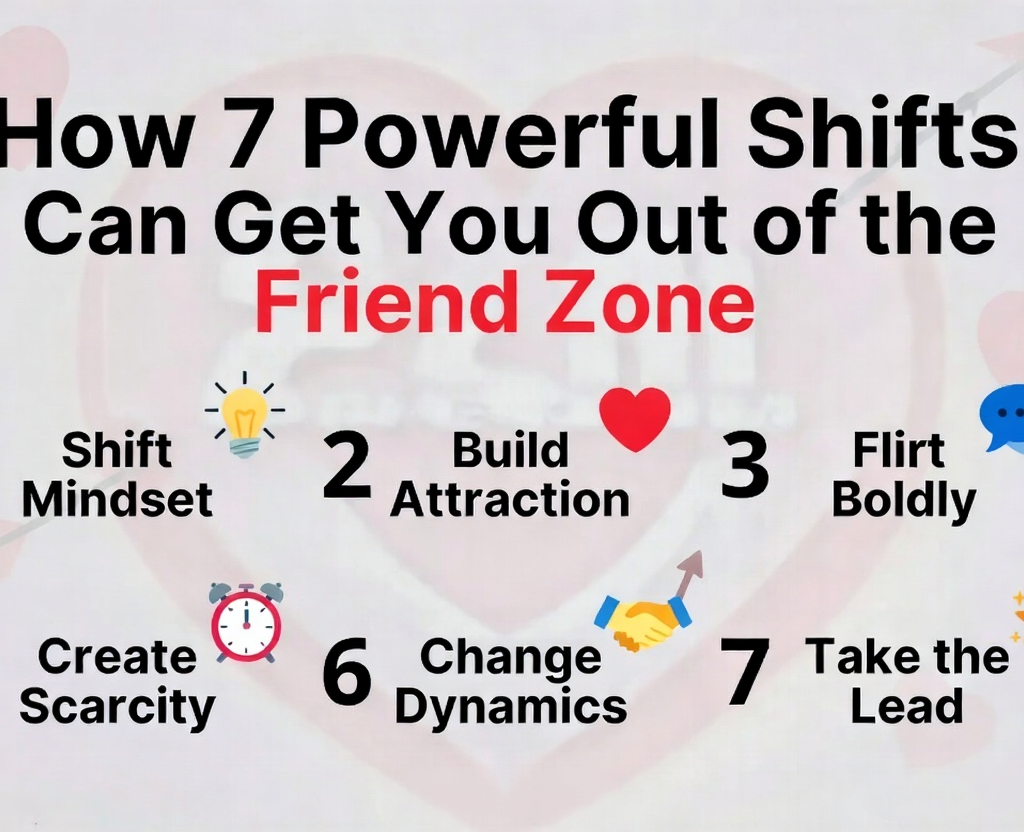
<4>Build Attraction, Not Approval (Lead with Confidence, Not Need)
This is where many people fail. They want the friend zone to dissolve so badly that they shift into validation‑seeking mode:
“Do you like me?”
“Do you think I’m attractive?”
“Would you ever consider dating me?”
That energy doesn’t build attraction; it undermines it.
Instead, adopt the Newly Appointed stance:
Show interest through teasing, eye contact, and light compliments.
Be warm but not overly available.
Let them feel that you’re choosing them, not just begging for space in their life.
Attraction grows when someone feels chosen, not taken for granted.
<5>Master Communication Timing (Less Is Often More)
Timing is everything in attraction.
Over‑texting, rapid replies, and constant check‑ins make you feel like a backup option, not a priority.
Instead:
Give them space to miss you.
Respond with presence when you do reply.
Use pauses as emotional punctuation, not silence as punishment.
Think of it like a Newly Appointed actor on stage: you know when to step into the spotlight and when to let the scene breathe.
<6>Introduce Subtle Distance (Scarcity Creates Desire)
Emotional scarcity isn’t about gaslighting or playing hard to get. It’s about not being emotionally available 24/7.
When you pull back slightly:
You create space for them to notice your absence.
You signal that your time and attention are finite.
You invite them to wonder, “What’s going on with them?”
This subtle distance shakes up their comfort zone and can make them see you through a new lens.
<7>Accept Outcomes with Confidence (Even If It Doesn’t Work)
The most powerful Newly Appointed mindset element is accepting outcomes with grace.
You take action, you show up authentically, and you give yourself a real shot. But if they still only see you as a friend, you don’t spiral into self‑doubt.
You simply say:
“I tried my best.”
“I respected myself throughout.”
“I’m still growing, regardless of their decision.”
This acceptance isn’t resignation—it’s maturity in motion.
Psychological Insights: Why Attraction Fights Comfort
The Attraction vs Comfort Paradox
Comfort is safe. Attraction is electric.
The brain often confuses comfort with attraction, which is why people stay in the friend zone—they enjoy the safety but miss the spark.
To break the pattern, you need to create emotional polarity—a mix of warmth and unpredictability that keeps them intrigued.
The Scarcity Principle
Psychology shows that people value what’s slightly less available. When you’re always around, always helping, and always emotionally “on,” you lose some of your perceived value.
Introducing healthy distance doesn’t shut the door; it reminds them that you’re not a given.
Emotional Polarity
Attraction lives in the dance of push and pull.
Too much push (texting relentlessly, confessing constantly) overwhelms. Too much pull (ghosting, extreme coldness) feels cruel.
The Newly Appointed emotional stance is balanced: you’re warm but not desperate, present but not omnipresent, affectionate but not clingy.
Common Mistakes That Push You Deeper Into the Friend Zone
- Over‑Availability
Always being there, always saying yes, always rescuing them emotionally tells them you’re a caretaker, not a romantic partner. - Confession Overload
Dropping “I like you” too early or too often can trap you in the friend zone because it reveals your emotional cards without giving chemistry time to build. - Seeking Validation
Constantly checking in (“Do you like me?” or “Do you think I’m attractive?”) shifts the dynamic from partnership to performance. - Ignoring Signals
If they consistently pull back, avoid deep conversations, or keep you at arm’s length, respecting those signals is crucial. Insisting harder rarely changes hearts.
Realistic Outcomes: When It Works and When It Doesn’t
It is possible to escape the friend zone.
It happens when:
You’ve genuinely shifted your energy.
You’ve created emotional curiosity.
They begin to see you as more than just a friend.
But sometimes it doesn’t work.
If they’re:
Not romantically available,
Not emotionally ready,
Or simply not attracted to you,
staying in that space is self‑punishment disguised as hope.
Even if it doesn’t work out, you walk away as a Newly Appointed version of yourself—clearer, stronger, and more self‑aware.
Conclusion: You’re Newly Appointed to a Bolder R – Life
Getting out of the friend zone isn’t about tricking someone into liking you. It’s about appointing yourself to a clearer, more empowered version of your relational self.
You lead with self‑respect, emotional independence, and genuine curiosity about the other person—not payoff.
Attraction grows where confidence and vulnerability meet.
So instead of hiding in the friend zone, you step into your Newly Appointed role—someone who’s learning to navigate love, boundaries, and self‑worth with wisdom and grace.
The next chapter isn’t about being “just a friend.” It’s about becoming the kind of person others want to fall for.
FAQ
Can you really escape the friend zone?
Yes, but it depends on both people’s receptiveness and willingness to see each other differently. Changing your mindset and behavior can shift how you’re perceived, but it never guarantees a romantic outcome.
Why do people get stuck in the friend zone?
People get stuck when they offer comfort without emotional boundaries, over‑invest in one‑sided support, and fail to build attraction or set standards. Over‑availability and fear of rejection reinforce the “friend” label.
Does ignoring someone help attraction?
Ignoring someone as punishment usually backfires. Strategic, subtle distance—where you invest in your own life and respond with presence—can create curiosity and respect, but it should never be manipulative.
What mistakes push you deeper into the friend zone?
Over‑texting, constant availability, seeking validation, confessing too early, and ignoring emotional signals all deepen the friend zone by signaling neediness instead of confidence.
How long does it take to change someone’s perception?
Perception can shift in weeks or take months, depending on the person and how consistently you show up differently. The key isn’t speed but authenticity and consistency—you’re not changing for them, you’re evolving for yourself.
1 thought on “How 7 Powerful Shifts Can Get You Out of the Friend Zone | kritiinfo.com”