

Imagine this: Your star developer misses deadlines again. You bite your tongue, smile through the frustration, and hope they figure it out. Weeks later, the project tanks, morale plummets, and resentment brews. Sound familiar? This is the silent killer of too many teams—feedback avoidance.
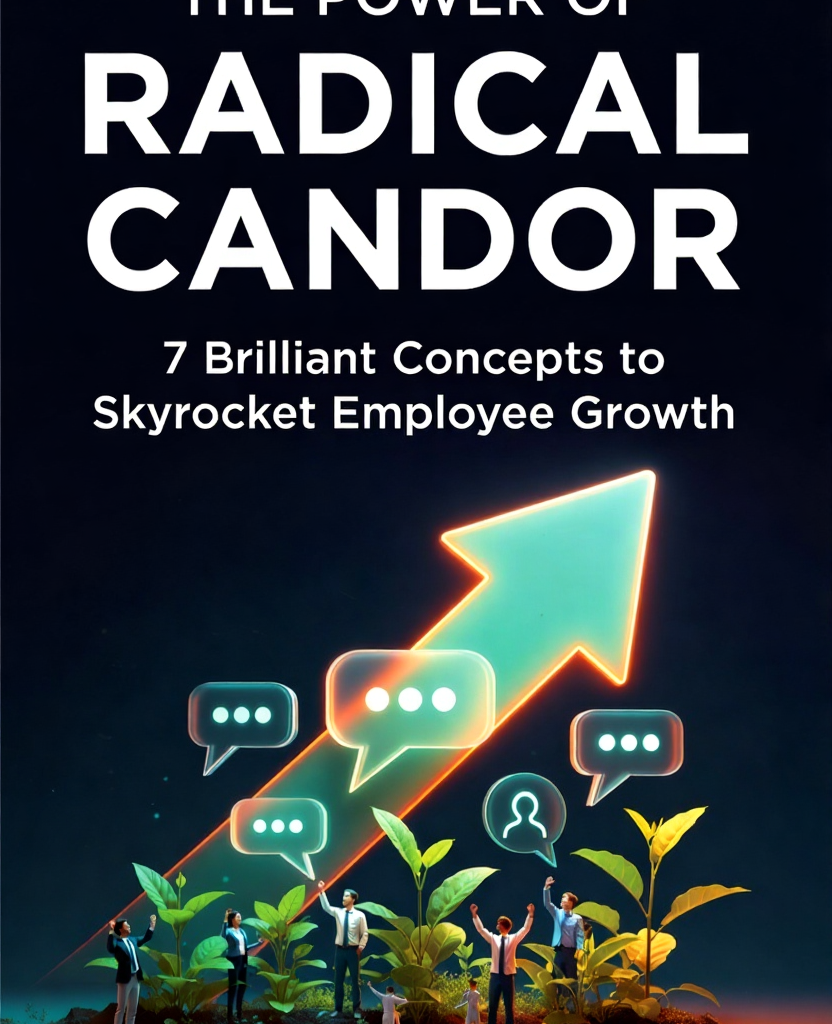
Enter radical candor, the bold practice of caring personally while challenging directly. Pioneered by Kim Scott in her book Radical Candor, it flips poor communication on its head. Leaders who master it don’t just fix problems; they ignite employee growth, forging resilient, high-performing teams. In my years leading tech startups, I’ve seen it turn average performers into superstars. Ready to unlock its power?
What is Radical Candor and Why It Matters
Radical candor sits at the sweet spot of two axes: “Care Personally” and “Challenge Directly.” It’s not brutal honesty or fake niceness. You show genuine concern for people as humans, then deliver clear, actionable feedback without sugarcoating.
In today’s hybrid work culture, where burnout lurks and quiet quitting rises, this matters immensely. Gallup reports that employees receiving daily feedback are 3.6 times more engaged. Radical candor builds trust, the bedrock of employee growth. It contrasts sharply with “toxic positivity,” where leaders dodge tough talks, leaving talent stagnant.
Poor feedback cultures breed confusion and mediocrity. Radical candor? It unleashes potential. For deeper dives, check Kim Scott’s Radical Candor framework or Harvard Business Review on feedback’s impact.
How Radical Candor Drives Employee Growth: 7 Powerful Insights
Drawing from my frontline battles, here are seven battle-tested secrets. Each packs a real-world story, practical steps, and proof of turbocharged employee growth.
<1>Honest Feedback Builds Unshakable Confidence
Sarah, a junior marketer on my team, churned out flashy but ineffective campaigns. I pulled her aside: “Sarah, I care about your success here. These visuals dazzle, but they miss our audience—let’s tweak targeting for real impact.”
Apply it: Start with care (“I believe in you”), name the issue specifically, then suggest fixes. Follow up weekly.
Growth impact: Sarah’s campaigns hit 40% higher conversions in months. Honest input built her confidence, accelerating her path to lead marketer.
<2>Trust Accelerates Employee Growth Like Rocket Fuel
In a past role, distrust poisoned our sales team. I shared my own failures first: “I bombed my first big pitch—here’s what I learned.” Then challenged them openly.
Apply it: Lead with vulnerability. Schedule “trust huddles” for mutual feedback.
Growth impact: Reps opened up, skills sharpened, and quota attainment jumped 25%. Trust turned survivors into thrivers.
<3>Clear Expectations Erase Confusion and Spark Progress
Mike, our ops whiz, juggled tasks endlessly without priorities. “Mike, you’re crushing execution, but without focus, we’re spinning wheels. Prioritize these three weekly.”
Apply it: Co-create SMART goals in one-on-ones. Review progress biweekly.
Growth impact: Mike streamlined processes, cutting errors by 30%. Clarity fueled his promotion to manager, embodying rapid employee growth.
<4>Constructive Criticism Sharpens Skills Without Breaking Spirits
During a product launch flop, I told designer Lena: “Your UI is creative genius, but navigation frustrates users. Walk me through your process—we’ll iterate together.”
Apply it: Frame as “Situation-Behavior-Impact” (SBI model). End with joint brainstorming.
Growth impact: Lena’s next design won user praise and industry nods. Criticism became her growth catalyst. Explore Center for Creative Leadership’s SBI insights.
<5>Recognition Ignites Motivation and Loyalty
Overlooked wins demotivate. I spotlighted engineer Raj’s code optimization in all-hands: “Raj, your fix saved us 20% compute costs—brilliant work. What’s next for you?”
Apply it: Tie praise to specifics. Rotate public shoutouts with private notes.
Growth impact: Raj led a new feature, mentoring juniors. Recognition supercharged his employee growth and retention.
<6>Two-Way Dialogue Turns Feedback into Collaboration
One-way rants fail. With hesitant analyst Priya, I asked: “What feedback do you need from me?” Her input revealed my blind spots.
Apply it: End every convo with “What can I do better?” Listen actively.
Growth impact: Priya’s insights transformed our analytics, earning her a cross-team role. Dialogue doubled her impact.
<7>Timely Nudges Prevent Small Issues from Stifling Potential
Waiting for reviews? Disaster. I caught dev lead Tom’s scope creep early: “Tom, loving the enthusiasm, but this risks our timeline. Scope back now.”
Apply it: Feedback within 24 hours. Use “start-stop-continue” prompts.
Growth impact: Tom’s projects finished ahead, positioning him for VP. Timeliness preserved momentum in employee growth.
Common Mistakes Leaders Make—and How to Fix Them
Even pros stumble. Here’s how to sidestep pitfalls.
Being overly harsh? It kills care. Fix: Preface with personal rapport-building.
Avoiding tough talks? Fear stalls growth. Fix: Schedule “candid coffees” routinely.
Confusing candor with criticism? It demotivates. Fix: Always link to shared goals.
Delaying feedback? Problems fester. Fix: Act in the moment, document lightly.
These tweaks keep radical candor helpful, not harmful. Internal link suggestion: Pair with our leadership pitfalls guide on kritiinfo.com.
Real-Life Case Study: Transforming TechNova’s Stagnant Team
At TechNova, a mid-sized SaaS firm I consulted for, employee growth flatlined. Turnover hit 35%, productivity lagged. The VP, Alex, embraced radical candor after our workshop.
He started with trust-builders: sharing his career flops in team meets. Then rolled out weekly one-on-ones blending care and challenge. One rep, facing slump, got: “You’re our closer—sloppy prep is holding you back. Let’s role-play fixes.”
Results? Engagement scores rose 45% (via quarterly surveys). Productivity surged 28%, with deals closing 15% faster. Turnover dropped to 12%. Observable wins: Three reps earned promotions, crediting candid feedback. Radical candor didn’t just boost metrics—it reignited human potential. Link to Gallup’s workplace engagement study for data-backed proof.
Actionable Framework: Implement Radical Candor Today
Ready to act? Follow this 5-step blueprint.
Build Trust First: Share personal stories in meetings. Aim for rapport before feedback.
Give Timely Feedback: Within 24 hours. Use SBI: Situation, Behavior, Impact.
Balance Care with Clarity: Start with “I care about you,” end with specifics.
Encourage Two-Way Communication: Always ask for their input. Listen more than you speak.
Track Employee Growth Outcomes: Quarterly reviews on skills, promotions, engagement. Adjust as needed.
Start small—one convo per week. Watch your team transform.
Conclusion
Radical candor isn’t a buzzword; it’s a leadership superpower for sustainable employee growth. It forges trust, sharpens skills, and unleashes potential in ways vague praise never could. Teams I led didn’t just hit targets—they redefined success.
What’s your next candid conversation? Embrace it. Your people’s growth—and your legacy—depends on it.
FAQ
What is radical candor in leadership?
Radical candor means challenging directly while caring personally. Leaders give clear, kind feedback to help teams thrive, blending empathy with honesty for real results.
How does radical candor improve employee growth?
It builds confidence, sets clear paths, and sparks motivation. Employees receive timely guidance, turning potential into performance and accelerating promotions.
Is radical candor effective in remote teams?
Absolutely. Virtual one-on-ones and video trust-builders make it shine, bridging distance to boost remote employee growth and engagement.
What are the risks of radical candor?
Missteps like harsh delivery can bruise egos. Mitigate by prioritizing care, training teams, and practicing two-way dialogue.
How to practice radical candor daily?
Start meetings with vulnerability. Deliver SBI feedback promptly. Listen actively. Track progress weekly for consistent employee growth.
Amazing post..Keep it up..I really enjoy your articles..