
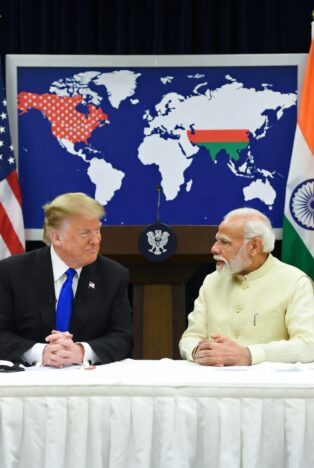
For two decades, I’ve navigated the crossroads of policy and public sentiment, helping visions scale into movements. Today, we witness not just a potential policy shift but the careful assembly of a geopolitical and economic masterstroke. The impending U.S.-India trade deal is more than paperwork; it’s the ignition sequence for a 21st-century partnership redefining global rules. This isn’t about mere tariff reductions; it’s a strategic alliance for resilient supply chains, a tech-driven future, and a powerful counter-narrative to economic coercion. Let’s decode the monumental shifts this bilateral trade agreement will unleash.
The Strategic Imperative: Why This Deal is Inevitable
Global supply chain disruptions exposed fatal dependencies. The Indo-Pacific economic framework demands tangible wins. This strategic partnership moves beyond symbolism, creating alternatives to China’s manufacturing through India’s demographic dividend and skilled workforce. It’s a foreign direct investment (FDI) magnet, signalling long-term economic integration. As an adviser, I see this as a classic pivot: turning shared democratic values into unmatched market access and competitive advantage for both nations.
1. Reshaping Global Supply Chains: The “China-Plus-One” Realised
For years, the “China Plus One” strategy was boardroom theory. This deal makes it operational. We’ll see a surge in manufacturing in India for pharmaceuticals, electronics assembly, and defence manufacturing. Supply chain diversification isn’t just risk mitigation; it’s an opportunity for job creation and technology transfer. Imagine a world where your critical medicines or smartphone components are forged in a democratic partnership, ensuring stability and ethical production standards. This strategic decoupling from volatility is the ultimate risk management.
Learn more about evolving supply chain dynamics from the Brookings Institution.
2. The Technology & Digital Dominion: A New Axis of Innovation
The core of this trade pact is digital. Collaboration on semiconductor fabrication, Artificial Intelligence (AI) ethics, and 5G/6G networks will set global standards. Data localisation issues will find a pragmatic path, balancing national security with cross-border data flows. This tech alliance can create an open-source digital infrastructure alternative, breaking monopolies. For creators and entrepreneurs, this means a unified, larger digital marketplace—a tide lifting all ships through innovation ecosystems and startup collaboration.
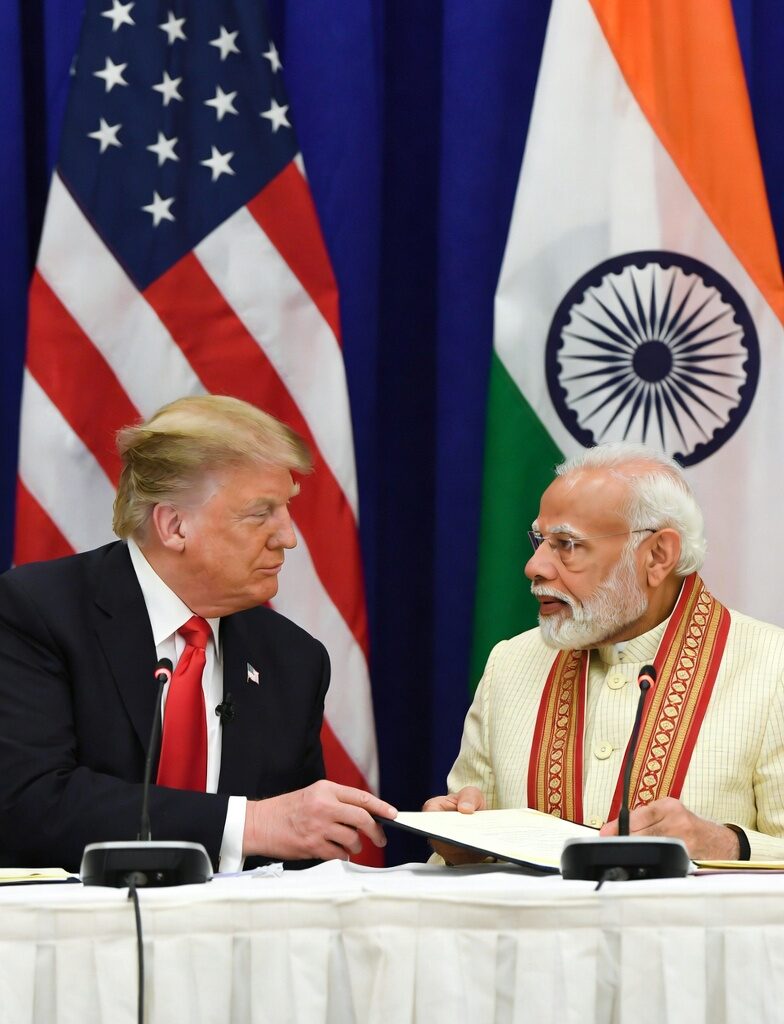
3. The Green Energy Transition: Powering a Sustainable Future
Climate change is the century’s greatest threat and opportunity. This deal can accelerate renewable energy projects, particularly in solar power and green hydrogen. U.S. clean tech investment meeting India’s ambitious decarbonization goals is a win-win. It will drive down global costs for green technology, making sustainability affordable. This is strategic autonomy in energy—reducing reliance on fossil fuel monopolies and positioning both as leaders in the green economy.
4. Defence & Strategic Autonomy: The Ultimate Force Multiplier
Beyond economics lies hard power. The deal will streamline defence co-production and technology sharing. Imagine U.S. designs and Indian shipyards building next-gen naval vessels. This interoperability strengthens regional security in the Indo-Pacific, ensuring freedom of navigation. It’s a powerful deterrent, showcasing that democratic alliances can deliver security and high-tech manufacturing jobs, moving beyond buyer-seller relationships to co-developers.
Analysis of defence partnerships from the Carnegie Endowment for International Peace provides a deeper context.
5. The Agricultural & Intellectual Property Bridge
This is the trickiest yet most rewarding pillar. U.S. agricultural exports (like dairy and almonds) could see greater market access, while India protects its geographical indications. On Intellectual Property Rights (IPR), a balanced framework will encourage generic drug production while protecting innovation. Finding this trade equilibrium will be a testament to diplomatic negotiation skills, creating a template for the world on balancing innovation with public good.
Navigating the Fault Lines: Challenges to Conquer
No transformative deal is without friction. Protectionist sentiments exist in both capitals. Non-tariff barriers and bureaucratic hurdles must be dismantled. The key is incremental gains, securing quick wins to build political will. A phased implementation allows economies to adapt, turning potential disruption into managed, positive change. Stakeholder management across farmers, tech giants, and small manufacturers is crucial.
The Viral Narrative: How This Partnership Captures the Global Imagination
As a content strategist, the narrative here is potent. It’s the story of the world’s oldest and largest democracies building a trust-based economic model. This isn’t a zero-sum game but a collaborative growth story. Content that highlights joint innovation, cultural synergy (think yoga and Silicon Valley), and shared aspirations will resonate. The viral hook is hope, a tangible, positive vision for the global future at a time of cynicism.
The Bottom Line: A World Redefined
The U.S.-India trade deal is the kernel of a new multipolar world order. It promises enhanced competitiveness, strategic autonomy, and a robust democratic counterweight. For businesses, it’s a call to re-evaluate investment plans. For citizens, it’s the prospect of higher-quality jobs, advanced technology, and a more secure, sustainable future. This is the defining partnership of the coming age—a masterclass in turning geopolitical vision into shared, lasting prosperity.
Table of Contents
FAQ: Your Trade Deal Questions, Answered
Q1: Will this trade deal cause job losses in the U.S.?
History shows that strategic trade deals that open new markets tend to be net job creators, albeit shifting their composition. This deal aims to create higher-value jobs in technology, export sectors, and innovation, while strengthening industries that compete with geopolitical rivals.
Q2: How will Indian farmers be affected?
A well-negotiated deal will include safeguards and phased market access. The goal is not a sudden flood but balanced trade, potentially giving Indian farmers access to better technology and sustainable agriculture practices while protecting key domestic livelihoods.
Q3: What’s the biggest immediate benefit?
Signal and stability. The immediate win is the powerful signal to global markets and boardrooms, directing foreign direct investment into resilient, trusted supply chains and joint tech ventures, unlocking capital and confidence.
Q4: How does this differ from past failed negotiations?
The geopolitical context is now irrefutable. Shared strategic necessities—managing an assertive China and securing critical minerals—provide unmatched political will. The focus is on limited, impactful “mini-deals” that build momentum, not an all-or-nothing approach.
Q5: When will we see real-world impacts?
Some sectors, like defence co-production and certain tech collaborations, could see moves within 12-18 months of signing. Broader manufacturing shifts and supply chain realignments are a 3-5 year horizon, as investments in infrastructure and capacity bear fruit. The future, however, begins its assembly today.
1 thought on “5 Transformative Impacts of the US-India Trade Accord”