
Marcus thought his routine was harmless.
At 38, he felt relatively healthy, even if his mornings began with heavily sweetened chai and a pair of bakery pastries. Lunch was usually a convenience wrap or fried takeout eaten quickly over spreadsheets. Dinner leaned heavily on refined grains, packaged sauces, and processed meats. Fresh greens were rare, and dietary fiber was practically non-existent.
For months, nothing dramatic happened. He stayed active enough, went to work, and laughed off mid-afternoon energy dips as ordinary work stress.
Then small, persistent changes crept in.
His gums began bleeding when he brushed before bed. A lingering redness settled along the margins of his teeth. His belt felt tighter each month, accompanied by persistent post-meal bloating that never quite resolved. A routine health screen soon revealed an unexpected rise in fasting blood glucose and triglycerides.
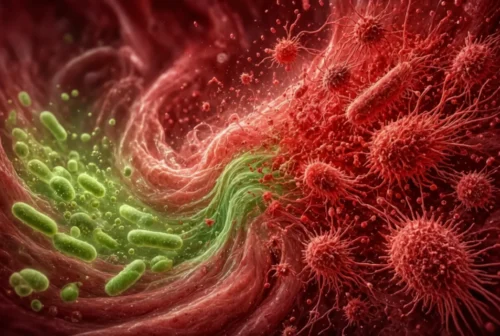
Marcus had not developed an acute illness overnight. Instead, three ubiquitous dietary choices (frequent refined sugar, excessive processed fat, and a near-total absence of dietary fiber) were silently reshaping the trillions of microscopic residents living inside his mouth and digestive tract.
Beneath the surface, a complex shift had taken hold. It is a biological sequence where daily food choices reshape microscopic ecosystems, trigger low-grade inflammation, and alter long-term metabolic health.
Table of Contents
What Is Gut Microbiome Disruption?
The gut microbiome is an intricate community of trillions of bacteria, fungi, viruses, and other microbes inhabiting our digestive tract. When this community is diverse, balanced, and well-nourished, it digests complex plant structures, synthesizes essential nutrients like B vitamins and vitamin K, trains our immune system, and guards the intestinal lining.
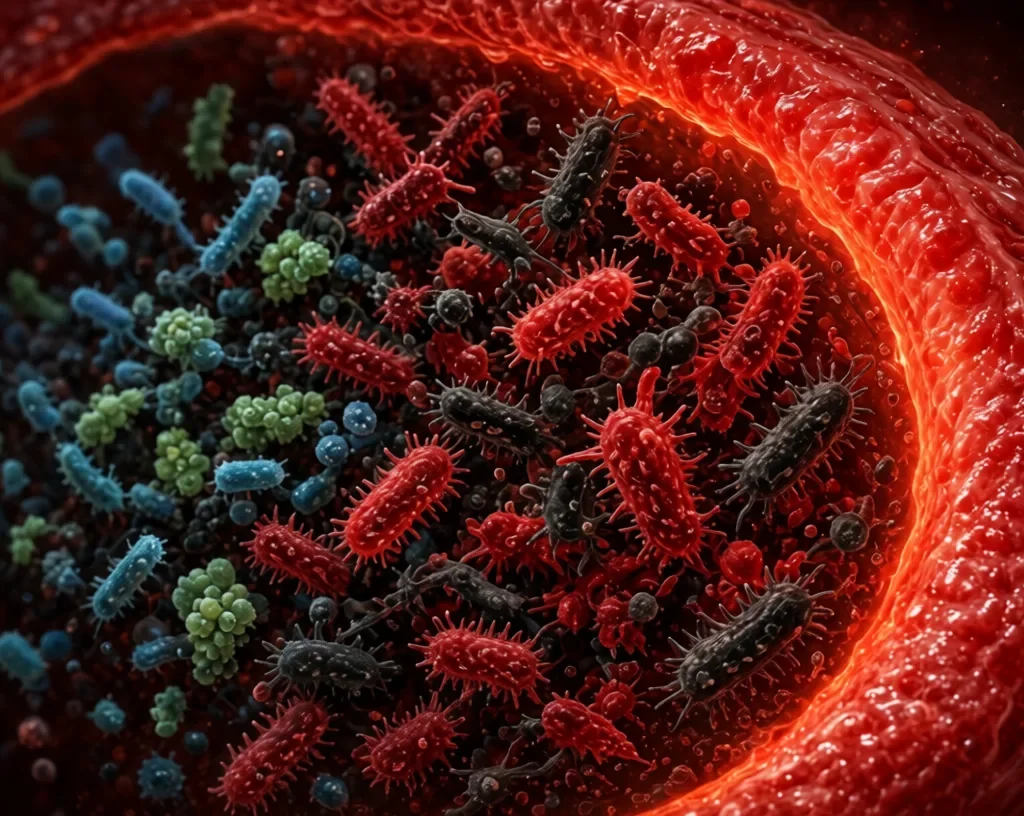
Gut microbiome disruption occurs when this delicate balance unravels. Scientifically termed dysbiosis, it happens when protective species diminish, overall microbial diversity plummets, or opportunistic organisms expand beyond their usual boundaries.
This is not a standalone diagnosis or a sudden infection. Rather, it is an ecological shift that alters the biochemical signals flowing from your digestive tract to the rest of your body.
1. The First Warning: Your Plate
Microbes reproduce rapidly, adapting to whatever fuel reaches them. What you eat literally selects which species flourish and which starve.
A diverse, whole-food diet feeds a vast array of beneficial bacteria. In contrast, modern dietary patterns (dominated by ultra-processed snacks, refined starches, and shelf-stable packaged foods) deliver plenty of calories but almost no fuel for protective microbes. Within days of adopting an ultra-processed eating pattern, researcher observations show distinct declines in beneficial microbial populations.
2. Sugar Changes the Gut Microbiome Disruption
The disruption begins long before food arrives in the stomach.
The oral microbiome is the complex microbial ecosystem thriving on your tongue, gums, teeth, and saliva. In a balanced mouth, these organisms help maintain oral tissue resilience and neutralize minor pH shifts.
When you consume frequent doses of refined sugars and fermentable carbohydrates, acid-producing bacteria like Streptococcus mutans multiply aggressively. These organisms ferment sugars, producing organic acids that rapidly lower the pH in your mouth. Over time, frequent acid baths dissolve dental enamel, irritate the gingival margins, and destabilize the local oral ecology.
The resulting local inflammation is not confined to tooth surfaces; it sets the stage for chronic gum irritation.
3. Fat, Fiber, and the Gut
Once past the stomach, food enters the intestine, where fat and fiber establish entirely different microbial environments.
Dietary fiber is composed of complex plant carbohydrates that human digestive enzymes cannot break down. They reach the colon intact, serving as the primary fuel source for beneficial anaerobes. As these bacteria ferment fiber, they produce short-chain fatty acids (SCFAs), notably acetate, propionate, and butyrate. Butyrate feeds colon cells, maintains tight cellular junctions, and helps keep the intestinal barrier secure.
When fiber is stripped away and replaced with high levels of saturated and industrial fats, bile acid secretion shifts. High-fat diets alter the physical intestinal environment and diminish the protective mucosal layer. Deprived of plant fiber, certain bacteria begin consuming the gut’s own mucus barrier for survival. The gut wall becomes vulnerable, allowing bacterial components to interact directly with underlying immune sensors.
4. The Mouth and Gut Are Connected
For decades, oral health and gut health were treated as separate medical silos. Today, researchers actively investigate the gut-oral axis: the bidirectional anatomical and biological connection between the oral cavity and the gastrointestinal tract.
Every day, you swallow roughly a liter of saliva, carrying billions of oral microorganisms directly into the stomach and intestines. While gastric acid neutralizes most transient bacteria, persistent oral dysbiosis and inflamed gingival pockets allow hardy, inflammatory oral microbes to survive the transit.
Emerging evidence suggests that specific oral pathobionts can colonize downstream niches when gut defenses are compromised, further driving local immune reactivity.
5. When Inflammation Becomes the Messenger Of Gut Microbiome Disruption
As diet-driven microbial imbalances progress, the immune system takes notice.
The immune system’s primary duty is distinguishing self from non-self. When gut barrier integrity weakens, fragments of bacterial cell walls (such as lipopolysaccharides, or LPS) enter the surrounding tissue and bloodstream. This phenomenon, known as metabolic endotoxemia, stimulates pattern-recognition receptors like Toll-like receptor 4 (TLR4) on immune cells.
In response, immune cells release signaling proteins called pro-inflammatory cytokines (including TNF-alpha and interleukin-6). Instead of mounting a sharp, temporary defense against an infection, the body slips into low-grade, persistent systemic inflammation.
It is vital to distinguish association from proven causation here: microbial disruption does not act as a single isolated cause of systemic disease. Rather, it operates as a potent amplifier of inflammatory pathways alongside genetic susceptibility, physical inactivity, and chronic stress.
6. Periodontitis Enters the Story
Left unaddressed, localized gum inflammation can progress into periodontitis: a severe, chronic inflammatory disease affecting the soft tissue and alveolar bone supporting the teeth.
Periodontitis is not simply a cosmetic or dental issue. Ulcerated periodontal pockets function as open doorways for inflammatory mediators and oral bacteria to enter the systemic circulation. Decades of clinical literature link advanced periodontal disease with elevated systemic inflammatory markers like high-sensitivity C-reactive protein (hs-CRP).
When oral inflammation runs unchecked, it increases the total inflammatory burden circulating through your vascular network.
7. The Diabetes Connection
Metabolic health and microbial balance share a bidirectional relationship, particularly regarding blood glucose control.
Chronic low-grade inflammation driven by gut permeability and endotoxemia interferes with normal insulin signaling inside muscle, liver, and fat tissues. When cells respond poorly to insulin (a condition known as insulin resistance), the pancreas produces greater amounts of the hormone to clear glucose from the bloodstream.
Simultaneously, sustained high blood sugar alters the composition of bodily secretions, including saliva and intestinal mucus, creating favorable environments for inflammatory microorganisms. This feedback loop illustrates why metabolic dysregulation and microbial dysbiosis frequently track together. Microbiome disruption alone does not cause diabetes, but it remains an influential biological partner in its progression.
8. Metabolic Syndrome: The Bigger Picture
Metabolic syndrome is a cluster of conditions that dramatically raise the risk of heart disease, stroke, and type 2 diabetes. A diagnosis generally involves having at least three of the following markers:
- Abdominal adiposity (excess waist circumference)
- Elevated fasting blood glucose
- High blood pressure
- High serum triglycerides
- Low levels of protective HDL cholesterol
At the center of metabolic syndrome sits insulin resistance, vascular inflammation, and ectopic lipid storage. When chronic dietary stress induces gut microbiome disruption, the resulting inflammatory cascade, altered bile acid signaling, and reduced SCFA production weaken the body’s natural metabolic resilience. Supporting microbiome diversity is therefore an essential component of modern preventive care.
An Illustrative Case: Marcus’s Realignment(Gut Microbiome Disruption)
(Note: The following is an illustrative case study developed for educational purposes, not a real patient record.)
At his annual wellness check, Marcus discussed his constant fatigue, persistent gum bleeding, and elevated fasting glucose with his primary care physician and dentist. His dentist diagnosed moderate gingivitis and early periodontal pocketing, while his physician highlighted several emerging indicators of metabolic syndrome.
Rather than chasing unproven supplements, Marcus worked under professional guidance to adjust his everyday behaviors:
- Oral Care: He received a professional dental cleaning, began daily flossing, and cleaned along the gumline with a soft-bristled brush twice daily.
- Gradual Fiber Increase: Instead of drastically overhauling his diet overnight, he gradually introduced cooked lentils, overnight oats, chia seeds, and leafy greens to avoid sudden digestive distress.
- Sugar Reduction: He swapped morning pastries for hard-boiled eggs and berries, reserving sugary beverages for rare occasions.
- Whole Food Fats: Processed seed oils and fried snacks were replaced with extra virgin olive oil, walnuts, and wild-caught fish.
Over eight months, Marcus maintained his check-ups. His gums stopped bleeding, dental evaluations showed reduced pocket depths, his waist measurement decreased, and his metabolic labs trended in a healthier direction. His experience illustrates how addressing underlying daily habits supports both oral health and long-term vitality.
7 Powerful Diet Changes to Protect Your Microbes
To foster microbial diversity and calm chronic inflammatory signaling, practical, sustainable steps yield the best results.
- Increase Dietary Fiber Gradually: Add diverse fiber sources slowly (beans, oats, flaxseed, root vegetables) to allow your gut microbes time to adjust without gas and bloating.
- Expand Plant Variety: Aim to consume 25 to 30 distinct plant varieties each week, including herbs, spices, seeds, whole grains, and greens.
- Minimize Frequent Added Sugars: Reduce sweetened drinks, sugary snacks, and refined syrups that feed acid-producing oral bacteria and promote rapid glucose spikes.
- Choose Minimally Processed Foods: Build meals around whole ingredients, cutting back on pre-packaged foods containing emulsifiers and synthetic additives that irritate the gut lining.
- Incorporate Healthy Fats: Rely on extra virgin olive oil, avocados, nuts, and omega-3 fatty acids to support cellular membrane integrity.
- Prioritize Daily Oral Hygiene: Floss daily, brush the gumline thoroughly, and visit a dental professional regularly to keep the oral ecosystem balanced.
- Seek Qualified Guidance: Consult a physician or registered dietitian when dealing with persistent gut symptoms, elevated blood markers, or metabolic concerns.
What Your Microbes Want You to Know
Your microbiome is not an enemy to conquer with detox teas, extreme cleanses, or massive probiotic doses. It functions like an inner garden.
Microorganisms do not thrive on restrictive fad diets. They flourish when provided with complex raw materials: prebiotic fiber, colorful polyphenol-rich plant skins, clean water, and regular physical movement. What you consistently place on your plate determines which species govern your internal ecosystem.
Protecting Your Mouth and Gut: A Daily Framework
| Timing | Habit | Biological Benefit |
| Morning | Gentle gumline brushing and flossing | Clears overnight plaque and acid-producing oral bacteria |
| Breakfast | Fiber-rich base (oats, seeds, berries) | Delivers complex carbohydrates to fuel butyrate-producing gut microbes |
| Throughout Day | Water as primary beverage | Supports saliva production and maintains protective mucosal hydration |
| Lunch & Dinner | Colorful vegetables and quality fats | Delivers polyphenols, supports insulin sensitivity, and lowers inflammatory stress |
| Evening | Finish eating 2 to 3 hours before sleep | Allows mucosal repair processes to occur without active digestion |
Frequently Asked Questions
What is gut microbiome disruption?
Gut microbiome disruption, often referred to as dysbiosis, is a state where the balance, composition, and diversity of microorganisms living in the digestive tract are significantly altered, leading to reduced beneficial functions and increased inflammatory activity.
Can a high sugar diet affect the oral microbiome?
Yes. Frequent consumption of refined sugar provides fuel for acid-producing oral bacteria. These organisms metabolize sugar into acids that erode tooth enamel and irritate the surrounding gums, creating local inflammation.
Does dietary fiber support the gut microbiome?
Dietary fiber passes undigested into the colon, where beneficial bacteria ferment it into short-chain fatty acids like butyrate. These compounds nourish the intestinal lining, strengthen barrier integrity, and help regulate immune responses.
Is the oral microbiome connected to the gut microbiome?
Yes. The gut-oral axis connects these two environments. Swallowing transports oral microbes to the stomach and intestines every day. If oral inflammation is chronic and the gut barrier is compromised, opportunistic oral bacteria can disrupt downstream gut ecology.
Can microbiome disruption cause diabetes?
Microbiome disruption does not independently cause diabetes. However, research suggests that the resulting low-grade inflammation, impaired barrier function, and altered metabolite production can worsen insulin resistance, an established risk factor for type 2 diabetes.
Can improving diet reduce inflammation?
A dietary pattern rich in diverse plant fiber, healthy fats, and minimally processed foods helps lower systemic inflammatory markers over time by supporting gut barrier integrity, stabilizing blood sugar, and promoting beneficial microbial metabolites.
When should someone speak with a healthcare professional?
You should consult a qualified healthcare professional if you experience persistent digestive pain, chronic bleeding gums, unexplained weight changes, chronic fatigue, or abnormal blood sugar and lipid panels.
Final Takeaway
Your body is not a set of isolated compartments. The health of your teeth and gums, the microscopic balance inside your intestine, and the regulation of your blood sugar are intricately woven together.
Preventive health does not demand radical interventions or unverified supplements. By making deliberate, informed decisions to reduce added sugars, introduce a wider variety of fiber-rich whole foods, and maintain attentive oral hygiene, you create an internal environment where your microbial partners (and your broader metabolic health) can truly thrive.
1 thought on “Why 3 Daily Food Habits Trigger Gut Microbiome Disruption”