
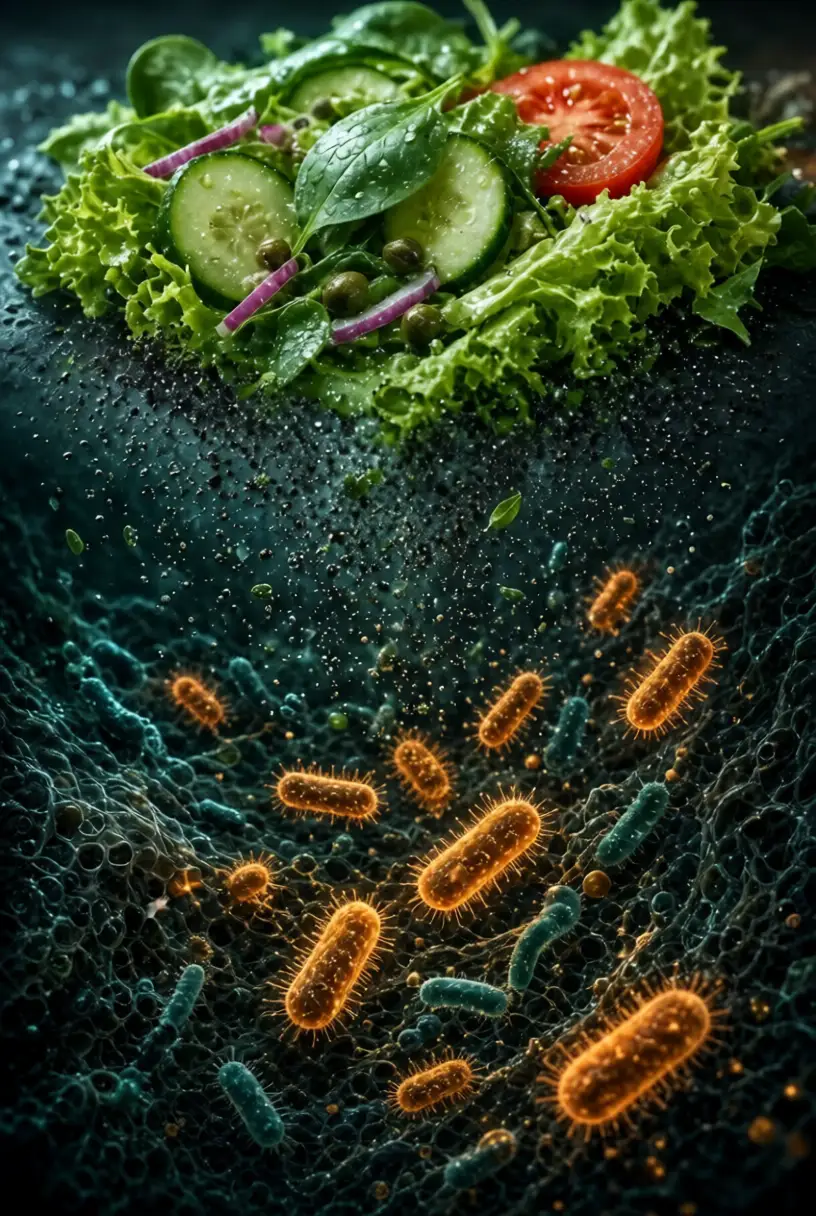
Picture your kitchen on a quiet Tuesday evening. You are washing crisp vegetables under running water, chopping fresh ingredients on your favorite cutting board, and preparing a healthy meal for your family. The countertops shine. The water looks perfectly clear. Everything appears completely normal. Yet a biological thriller might be unfolding right in front of you. A microscopic organism could be moving silently from that food directly into your body.
The danger is invisible. You cannot see it, smell it, or taste it.
However, the true twist of this story is quite unexpected. The vast majority of Escherichia Coli bacteria are completely harmless. In fact, they currently live inside your intestinal tract and quietly help you digest your food. The danger only emerges when a specific, highly pathogenic strain crashes this perfectly balanced biological system.
When you understand how these microscopic invaders operate, you take away their power. This guide will help you understand the science of this pathogen and give you evidence based strategies to protect your home.
Table of Contents
The Invisible Threat
The investigation begins with a fundamental question. How does a healthy individual suddenly face a severe gastrointestinal crisis after eating an ordinary meal?
Under the microscope, the story changes completely. Bacteria are masters of silent multiplication. When a pathogenic strain enters a welcoming environment like warm food or untreated water, it begins a rapid division process. You might believe a kitchen surface is clean because it looks spotless, but microscopic contamination tells another story. A single drop of fluid from raw meat or a fleck of contaminated soil on a leafy green can introduce enough bacteria to trigger a massive immune response.
What Escherichia Coli Really Is
To defeat an enemy, you must first understand it. Escherichia Coli is a diverse family of bacteria found naturally in the environment, in foods, and in the intestines of people and animals.
In the medical and scientific community, these bacteria are recognized as a crucial part of a healthy human gut microbiome. They help break down complex foods and even produce essential vitamins like Vitamin K. Without the harmless versions of this bacteria, human digestion would struggle to function properly. If you want to learn more about maintaining this internal balance, exploring [Internal Link Opportunity: gut health] can provide valuable insights into your body’s natural defenses.
Not Every Strain Is Dangerous
The contrast between helpful bacteria and dangerous pathogens is the central tension of this biological story. If most strains are helpful, why does this bacteria make headlines?
The problem lies with rogue variations. While harmless strains stay peacefully in your digestive tract, pathogenic strains carry genetic instructions that cause disease. The Centers for Disease Control and Prevention (CDC) identifies several categories of diarrheagenic bacteria, but the most concerning group includes Shiga toxin producing Escherichia Coli, frequently referred to as STEC.
These specific strains manufacture a powerful toxin that aggressively attacks the lining of the human intestine. This is what separates a mild stomach upset from a clinically important medical event.
How Infection Begins
Transmission relies on opportunity. The World Health Organization (WHO) notes that these pathogens typically enter the human body through contaminated food and water.
The pathways are remarkably common. Raw meat can become contaminated during processing. Vegetables and leafy greens can absorb contaminated agricultural water while growing in the field. Unpasteurized milk and raw juices bypass the heating processes designed to destroy bacteria.
Furthermore, environmental exposure plays a significant role. Visiting a petting zoo, working near farm animals, or swimming in untreated lakes can introduce the bacteria. Once a person is infected, the pathogen can spread through direct contact with infected people if proper sanitation practices fail.
The First Warning Signs
The body rarely reacts immediately. There is usually an incubation period of three to four days after the invisible exposure occurs.
The first warning signs arrive with uncertainty. Severe abdominal cramps begin to radiate through the stomach. This is quickly followed by watery diarrhea that often transitions into bloody diarrhea. Vomiting may occur, though fever is usually low or completely absent.
These symptoms are your immune system sounding the alarm. The body is attempting to flush the invading organism and its damaging toxins out of the system. While many healthy adults recover within a week, these warning signs should never be dismissed lightly.
When It Turns Serious
For some individuals, the infection bypasses the standard recovery timeline and cascades into serious complications. The U.S. Food and Drug Administration (FDA) emphasizes that certain infections can result in a severe condition known as hemolytic uremic syndrome.
This complication occurs when the bacterial toxins enter the bloodstream and begin destroying red blood cells. These damaged cells then clog the filtering system in the kidneys. This unexpected development transforms a gastrointestinal illness into a critical medical emergency.
Certain populations remain uniquely vulnerable to this complication. Children under five years old and adults over sixty five face a significantly greater risk. Additionally, people with weakened immune systems require particular caution, as their natural defenses are less equipped to neutralize the bacterial toxins.
Case Study: When an Invisible Threat Became a Public Health Investigation
To understand how rapidly these events unfold, we must look at a real, documented investigation.
In late 2024, public health authorities detected an alarming spike in bacterial infections across multiple states. A reliable and evidence based investigation quickly mobilized. According to documented reports from Reuters, the outbreak ultimately resulted in 104 illnesses and 34 hospitalizations across 14 states, leading to one tragic death.
Through rapid laboratory testing and epidemiological tracing, investigators connected the widespread illnesses to a single fast food item: the McDonald’s Quarter Pounder. Further investigation traced the precise source of the contamination to slivered onions distributed through three regional supply centers.
The FDA and CDC worked urgently to remove the affected ingredients from the food supply. What does this episode teach ordinary families? It demonstrates that even highly regulated, global food supply chains can experience unexpected vulnerabilities. It reinforces the reality that agricultural products like raw onions carry inherent risks, making our own preparation methods critical.
7 Powerful Prevention Moves
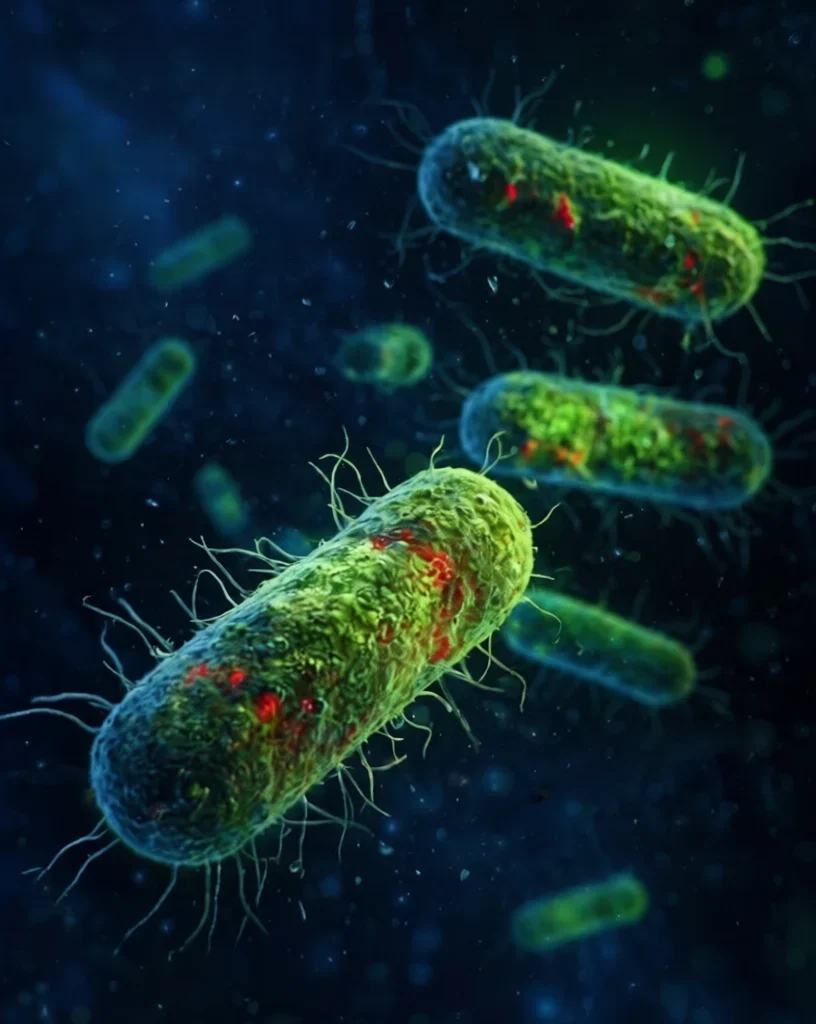
You do not need to live in fear of your food. Instead, you can rely on a scientifically supported prevention framework. Implementing these seven actions will effectively outsmart Escherichia Coli in your daily life.
- Master Proper Hand Hygiene The CDC recommends thorough hand washing as your first line of defense. Wash your hands with soap and warm water for at least twenty seconds after using the restroom, changing diapers, touching animals, and before preparing or eating food. Developing [Internal Link Opportunity: healthy hygiene habits] is a foundational step in disease prevention.
- Eliminate Cross Contamination Keep raw meat completely separate from fresh produce. Never use the same cutting board or knife for raw poultry and salad greens without washing them thoroughly with hot soapy water in between.
- Cook Food Safely Visual inspection is never enough. Use a food thermometer to verify that ground beef reaches an internal temperature of 160 degrees Fahrenheit. Thorough cooking destroys the dangerous bacteria completely.
- Secure Safe Drinking Water Only consume water from treated municipal supplies or verified safe sources. When camping or traveling to regions with vulnerable infrastructure, always boil or rigorously filter your drinking water to prevent [Internal Link Opportunity: waterborne diseases].
- Choose Pasteurized Products Avoid raw milk, unpasteurized dairy products, and untreated apple cider. The pasteurization process is a brilliant, scientifically supported method of applying heat to eliminate harmful organisms without destroying the nutritional value of the food.
- Wash Fresh Produce Vigorously Even if you plan to peel a fruit or vegetable, wash it thoroughly under running water first. This prevents the knife from dragging surface bacteria directly into the clean flesh of the food.
- Exercise Caution Around Animals When visiting farms, petting zoos, or agricultural fairs, treat all animal environments as potential exposure zones. Wash your hands immediately after touching animals or their surroundings, and never eat or drink in the animal enclosures.
What Families Often Get Wrong
Human intuition sometimes fails in the face of microscopic threats. Many people believe they can smell or taste bacterial contamination in food. This is a dangerous misconception. Pathogenic Escherichia Coli does not change the appearance, texture, or scent of your food.
Another frequent mistake involves medication. When diarrhea strikes, the immediate impulse is to take over the counter antidiarrheal medicines. However, medical guidance strongly advises against this during a bacterial infection. These medications slow down the digestive system, which can actually trap the bacteria and their harmful toxins inside your body for a longer period.
When to Seek Medical Care
This guide provides practical knowledge, but it cannot replace a doctor. Severe symptoms require prompt medical evaluation.
You should seek professional medical care immediately if you or a family member experience bloody diarrhea, severe abdominal pain that prevents sleeping, or diarrhea lasting more than three days. Additionally, watch closely for signs of dehydration. These include decreased urination, a dry mouth, and dizziness when standing up.
Accurate diagnosis relies on clinical testing. Doctors will often order specific laboratory stool tests to identify if a pathogenic strain is present. Identifying the exact bacteria quickly can drastically change the clinical management of the illness and prevent severe kidney complications. Never attempt to self diagnose a severe gastrointestinal crisis.
FAQ
What is Escherichia Coli? It is a large and diverse group of bacteria found naturally in the environment and in the intestines of humans and animals. Most types are completely harmless and aid in human digestion.
Is Escherichia Coli always dangerous? No. The vast majority of these bacterial strains are harmless. Only specific pathogenic strains, such as Shiga toxin producing variants, cause severe gastrointestinal illness.
How does Escherichia Coli spread? Transmission occurs by accidentally swallowing the bacteria. Common routes include eating contaminated food, drinking untreated water, consuming unpasteurized milk, and making direct contact with infected animals or humans.
What are the common symptoms? The most frequent symptoms include severe abdominal cramps, watery diarrhea that often turns bloody, and vomiting. Symptoms usually appear three to four days after initial exposure.
Can Escherichia Coli cause kidney problems? Yes. Certain dangerous strains can lead to hemolytic uremic syndrome. This complication damages red blood cells and can cause acute kidney failure, requiring urgent medical intervention.
Who is most vulnerable? While anyone can become infected, children under the age of five, adults over the age of sixty five, and individuals with weakened immune systems face the highest risk of developing severe complications.
How can Escherichia Coli infection be prevented? The most effective prevention methods include washing hands meticulously, cooking meat to safe internal temperatures, washing raw vegetables, avoiding cross contamination, and choosing pasteurized dairy products.
When should someone seek medical care? You should contact a healthcare provider if you experience bloody diarrhea, diarrhea lasting more than three days, severe abdominal pain, a fever above 102 degrees Fahrenheit, or signs of severe dehydration.
Your Final Defense
The microscopic world surrounds us every single day. Bacteria rest on our kitchen counters, reside in our gardens, and live peacefully within our own bodies. When we confront the reality of pathogenic Escherichia Coli, it is perfectly normal to feel a brief moment of vulnerability.
However, knowledge entirely changes the balance of power. You do not need to view every meal as a hidden threat. By adopting proper kitchen habits, demanding safe water, and understanding how to protect the vulnerable members of your family, you strip this pathogen of its power.
Awareness is not fear. Awareness is protection. By respecting the science of [Internal Link Opportunity: disease prevention], you take absolute control over your family’s health and safety.
1 thought on “How 7 Strategic Moves Can Outsmart the Hidden Threat of Escherichia Coli”