
The Unseen Invader
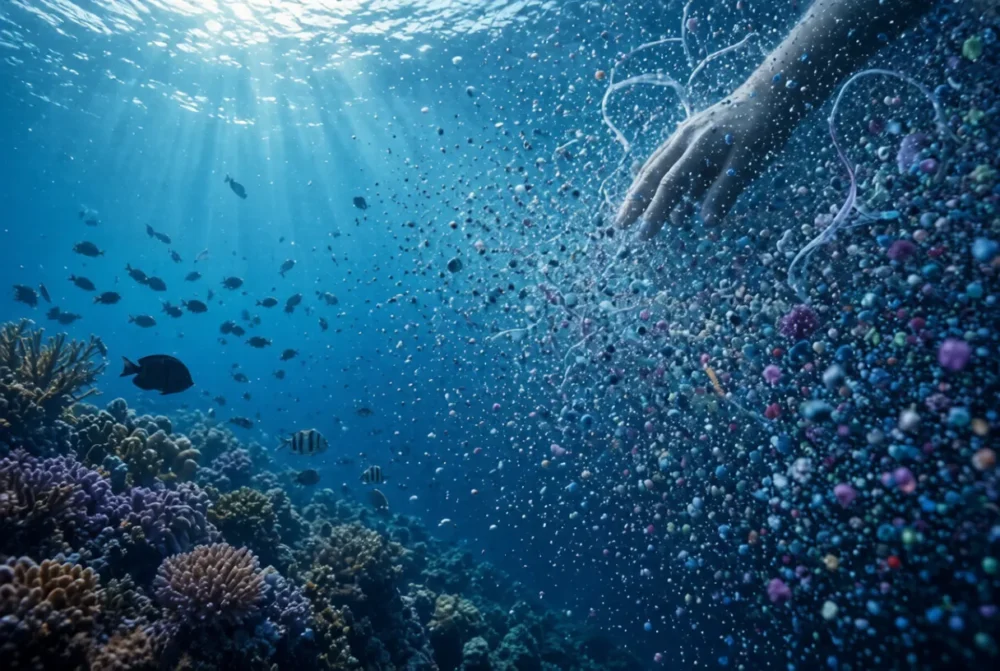
What exactly is microplastic exposure? When we discard plastic pollution into the environment it does not simply vanish. Sunlight and ocean waves break large plastics into microscopic fragments. These microplastic particles measure less than five millimeters across. Many are entirely invisible to the naked eye.
They infiltrate the food we eat. They contaminate the water we drink. They even drift through the air we breathe. Research indicates that the average person consumes a credit card worth of plastic every single week. But what actually happens when these synthetic fragments travel into the human body?
The Frontline of Human Defense
To understand this biological mystery we must look at the gut microbiome. Think of your intestinal tract as a bustling microscopic metropolis. Trillions of bacteria, fungi, and viruses live here in a delicate microbial balance. They digest your food, train your immune system, and protect you from harmful pathogens.
When you experience microplastic exposure, these tiny synthetic invaders eventually reach this bustling metropolis. Scientists are investigating a fascinating question. How do our intestinal bacteria react to a completely unnatural substance?
The First Clues of Microbiome Adjustments
Researchers have observed that our internal ecosystem does not just ignore these particles. Instead, the microbiome attempts to adapt. We call these microbial shifts microbiome adjustments.
Some of these adjustments are incredibly surprising. When microplastic particles enter the gut, they create physical surfaces. Certain bacteria actually latch onto these surfaces and build communities called biofilms. The plastic becomes a floating raft for microbes to travel through the digestive system.
This phenomenon reveals a hidden danger. Environmental exposure to plastics might alter which bacteria thrive and which bacteria die. If beneficial bacteria die off, the resulting imbalance could trigger intestinal inflammation.
A Chilling Research Discovery Of Microplastic Exposure
The scientific community received a massive wake up call regarding microplastics and gut health a few years ago. We must look at a landmark biological investigation to understand why this topic commands such urgent attention.
In 2018 Dr. Philipp Schwabl and his research team at the Medical University of Vienna conducted a revolutionary study. They gathered human volunteers from eight different countries spanning Europe, Japan, and Russia. The researchers meticulously analyzed stool samples from every single participant.
The discovery was startling. Every single sample contained plastic. The researchers found up to nine different types of synthetic polymers, with polypropylene and polyethylene being the most common.
Why does this matter? This peer reviewed research provided the first direct human evidence that plastics completely navigate the human digestive tract. It proved that microplastic exposure is universal. While this study did not prove that plastic causes specific diseases, it confirmed that our human microbiome is constantly interacting with artificial debris. The sanctuary has been breached.

The Danger of the Plastisphere
Let us explore a fascinating concept known as the plastisphere. When a piece of plastic enters the ocean, it quickly becomes covered in marine bacteria. This creates a tiny traveling ecosystem. A very similar process might happen inside your digestive tract following microplastic exposure.
When synthetic fragments travel through your stomach and enter the intestines, they do not remain sterile. The moisture and warmth create a perfect environment for microbial colonization. Specific strains of intestinal bacteria attach to the plastic surfaces. This physical interaction forces dramatic microbiome adjustments. The plastic effectively introduces artificial housing into a natural biological city.
Why should this unexpected discovery cause concern? Researchers worry that these artificial surfaces might harbor opportunistic pathogens. If harmful bacteria use plastic particles as protective rafts, they might survive the harsh acidic environment of the stomach. This means microplastic exposure could potentially act as a Trojan horse for other microscopic invaders.
The Chemical Reality of Plastic Pollution
We also need to consider the chemical reality of plastic pollution. Plastics are rarely pure polymers. Manufacturers mix them with plasticizers, flame retardants, and heavy metals to achieve desired textures and colors. When you face daily microplastic exposure, you are also facing exposure to these hitchhiking chemicals.
As these particles linger in the gut, digestive enzymes and microbial activity might cause the plastics to leach these toxic compounds. This chemical release can further disrupt the delicate microbial balance. The healthy bacteria that rely on a pristine environment begin to struggle. Meanwhile, more resilient but potentially inflammatory bacteria might seize the opportunity to multiply.
These are the hidden mechanics of microbiome adjustments. The changes happen silently. You will not feel a sudden pain or notice an immediate symptom from a single instance of microplastic exposure. The danger lies in the slow, chronic accumulation over years and decades.
Table of Contents
How the Immune System Reacts
Let us dig deeper into how the immune system factors into this mystery. Your gut microbiome acts as the primary training ground for your immune cells. The beneficial bacteria constantly communicate with your immune system, teaching it to differentiate between harmless food proteins and dangerous pathogens.
When microplastic exposure introduces foreign synthetic materials into this training ground, the communication network might become confused. If the immune system identifies the plastic particles as a severe threat, it may launch an inflammatory response.
This localized inflammation is another critical driver of microbiome adjustments. Inflammation alters the chemical environment of the intestines. The beneficial bacteria that usually thrive in a calm, healthy gut may begin to perish in an inflamed environment. This creates a vicious cycle. The loss of beneficial bacteria leads to further inflammation, which in turn compounds the damage.
What Remains Uncertain About Microplastic Exposure
As careful science communicators we must highlight the important distinction between laboratory findings and human disease. Current evidence shows that microplastics enter our bodies and interact with our cells. However, we do not yet know the exact long term consequences of chronic microplastic exposure.
Does this exposure directly cause chronic illness? Can the human body safely expel all of these particles? Are certain individuals more vulnerable than others? These are the questions researchers are actively trying to answer.
Be very skeptical of anyone selling a miracle detox or a special diet claiming to scrub plastics from your blood. Peer reviewed findings simply do not support those sensational claims. The science is still evolving.
Practical Steps to Protect Your Microbiome Health
You cannot eliminate microplastic exposure entirely. You can however take reasonable actions to reduce your daily burden and support your microbiome health.
First, reconsider your drinking water. Municipal tap water and bottled water both contain microplastics. Installing a high quality reverse osmosis water filter can significantly reduce your daily intake.
Second, change how you heat your food. Never microwave food in plastic containers. Heat causes containers to shed millions of microscopic particles directly into your meal. Transfer your food to glass or ceramic bowls before heating.
Third, look closely at your kitchen tools. Swap synthetic cutting boards for solid wood alternatives. Plastic cutting boards release tiny fragments every time your knife strikes the surface.
Finally, remember the powerful connection between diet and microbiome resilience. Eating a diverse range of plant based foods provides the fiber your beneficial bacteria need to thrive. A robust and healthy gut barrier might offer better protection against environmental toxins.
Final Thoughts on Our Microscopic Reality
We are living through a unique moment in human biology. Every time we learn something new about microplastics and gut health, a deeper mystery emerges. The evidence suggests that our internal ecosystem is far more dynamic than we ever realized.
Take time to understand your environmental exposure. Notice the materials you use every day. Choose glass over plastic when you can. Support your microbiome with excellent nutrition. By making small conscious choices you can protect your vulnerable internal world from an unseen modern threat.
FAQ(Microplastic Exposure)
What is microplastic exposure? Microplastic exposure occurs when humans ingest or inhale tiny plastic fragments measuring less than five millimeters. These particles originate from degrading plastic pollution, synthetic clothing, packaging, and everyday household items.
Can microplastics affect the gut microbiome? Current evidence suggests they can. Researchers have observed that plastic particles can alter microbial balance by creating artificial surfaces where certain bacteria thrive while others die off.
Can the microbiome adapt to environmental exposures? Yes. The microbiome is highly dynamic. Microbiome adjustments happen continuously as gut bacteria respond to changes in diet, environment, and foreign substances.
How do microplastics enter the human body? The primary routes of entry are through the food we eat, the water we drink, and the air we breathe. Common sources include plastic water bottles, synthetic fabrics, and contaminated seafood.
Can diet support a healthy microbiome? Absolutely. A diverse diet rich in plant based fiber feeds beneficial intestinal bacteria. A nourished microbiome helps maintain a strong intestinal barrier against environmental pollutants.
Can microplastics be removed from the body? The human digestive system naturally excretes many ingested particles through stool. However, there are no proven miracle detoxes or supplements that can completely scrub accumulated microplastics from the body.
What are researchers still trying to discover? Scientists are investigating whether these particles can cross the intestinal wall into the bloodstream and what long term effects they might have on human cellular health and chronic disease.
KritiInfo.com Editorial Note
The information provided in this article reflects the current landscape of scientific research regarding microplastic exposure. The field of microbiome health is rapidly evolving. We are committed to updating our readers as new peer reviewed findings emerge. Always consult with a qualified healthcare professional before making major changes to your diet or wellness routine.
1 thought on “Why 1 Shocking Discovery Exposes the Hidden Reality of Microplastic Exposure”