
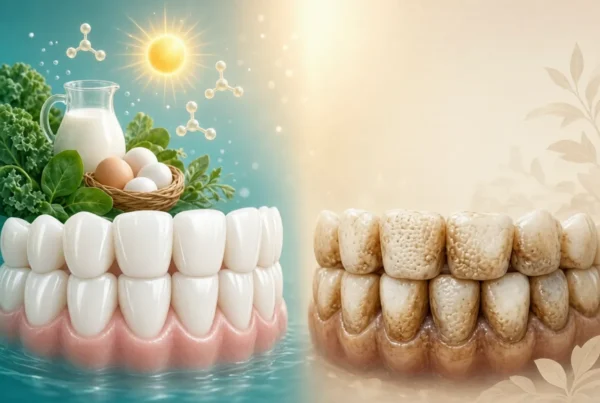
Nutritional Hypomineralization:Elena considered herself exceptionally disciplined. She tracked her daily steps, filled her grocery cart with colorful produce, slept seven hours every night, and rarely missed her morning runs along the riverfront. To anyone watching, she represented peak physical vitality.
Then the anomalies began.
At first, they were easy to dismiss as the routine friction of a busy life. Her morning coffee suddenly sent a sharp, electric jolt through her back molars. Her shins ached with a persistent, low-grade throb that lingered long after her running shoes were unlaced. By mid-afternoon, an unusual brain fog settled behind her eyes, accompanied by erratic muscle twitches in her left eyelid. Her routine blood panel came back clean. Her primary markers sat squarely in the normal range.
Yet beneath that spotless clinical surface, her body was quietly rationing its deepest structural reserves.
What if your body is silently running out of essential minerals long before a standard test triggers an alarm?
Human physiology is remarkably resilient. When daily intake falls short or absorption breaks down, the body adapts by cannibalizing its own tissues to maintain life-critical blood chemistry. The warning signs are subtle, easily overlooked, and frequently misattributed. Understanding this hidden depletion is the first step toward reclaiming your long-term vitality.
Table of Contents
What Is Nutritional Hypomineralization?
To understand this process, we must look past generalized malnutrition. Nutritional hypomineralization describes a state where tissues that depend heavily on crystalline mineral architecture—most notably bone matrix, dentin, and dental enamel—fail to receive, incorporate, or retain the critical mineral ions necessary for structural density.
While a broader nutritional deficiency might involve low circulating proteins or a shortage of water-soluble vitamins, nutritional hypomineralization specifically impairs the inorganic structural foundation of the body.
Calcium, phosphorus, and magnesium form hydroxyapatite crystals, the compound responsible for the rigidity of our bones and the resilience of our teeth. When the body faces prolonged micro-level shortfalls, it faces an evolutionary dilemma. It will compromise the mineral integrity of your skeletal framework or teeth to maintain steady serum mineral levels for neuromuscular signaling and cardiac rhythm. The damage begins silently at the microscopic level, years before it presents on a scan.
5 Silent Signals That Deserve Your Attention
Because the body defends its bloodstream concentration of minerals with fierce biological priority, cellular and tissue deficits manifest in indirect ways. Here are five practical signals that warrant a deeper look:
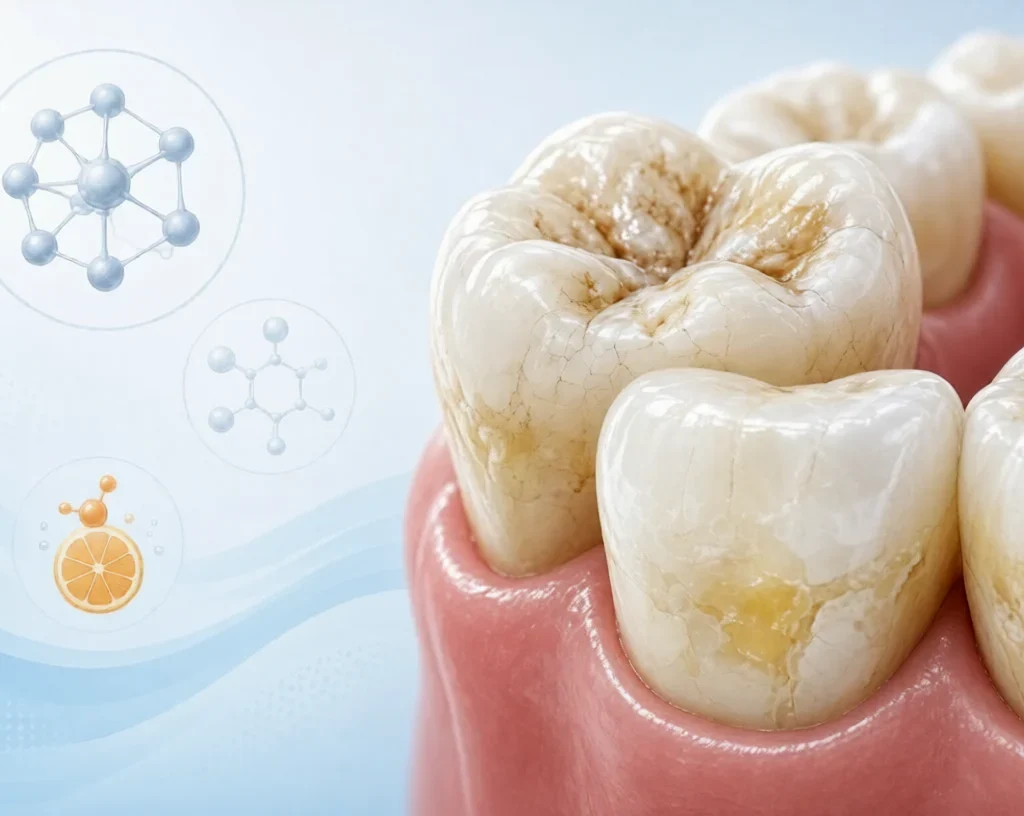
- Unexplained Enamel Translucency or SensitivityThe edges of your front teeth may begin to look glassy or slightly transparent, or you might experience sudden discomfort when drinking cool water. When systemic mineral delivery falters, the teeth struggle to complete natural surface remineralization.
- Persistent Neuromuscular Twitches and Night CrampsOccasional eyelid spasms or tight calf cramps during sleep often point to subtle imbalances in circulating magnesium, calcium, and potassium, which govern muscle relaxation pathways.
- Lingering Skeletal Aches After Low-Impact MovementBone tissue undergoes constant remodeling. When osteoclasts break down old bone matrix faster than mineral-poor osteoblasts can rebuild it, individuals often feel a deep, dull ache in weight-bearing bones like the shins or lower spine.
- Brittle, Peeling, or Ridged NailsNails require balanced mineral deposition alongside keratin to stay resilient. Repeated vertical ridges, flaking layers, or unusual brittleness can reflect systemic trace mineral scarcity.
- Disproportionate Post-Exercise FatigueMinerals act as catalytic cofactors in mitochondrial adenosine triphosphate production. When tissue-level magnesium and iron drop, simple physical tasks provoke surprising cellular exhaustion.
Why Micro Deficiencies Spark Macro Problems
It is tempting to think that missing a few milligrams of trace minerals each week carries little consequence. In reality, human biology operates as an interconnected web rather than an isolated set of compartments.
A minor daily shortfall creates a compounding biological debt. Consider bone physiology: bone remodeling is an active, continuous turnover. If the raw mineral substrate is absent over weeks and months, the newly laid collagen framework remains soft and poorly calcified.
Over years, this cumulative loss transforms minor nutritional hypomineralization into measurable osteopenia, severe dental erosion, and compromised immune signaling. By the time a structural fracture occurs or multiple teeth require extensive intervention, the biological deficit has been running silently in the background for a substantial duration.
The Minerals Behind the Structural Story
A strong physiological matrix relies on a synchronized partnership between several foundational micronutrients:
- Calcium: The primary structural cation in bone and teeth. When dietary intake or uptake drops, parathyroid hormone mobilizes calcium directly out of skeletal banks.
- Magnesium: Roughly 60 percent of the body’s magnesium resides in bone tissue. It regulates active calcium transport and converts vitamin D into its biologically active form.
- Phosphorus: Working directly with calcium, phosphorus creates structural rigidity. A significant imbalance between dietary calcium and phosphorus disrupts crystal formation.
- Zinc and Copper: These trace elements act as essential cofactors for collagen-synthesizing enzymes, ensuring the flexible scaffolding exists to hold minerals in place.
- Vitamin D and Vitamin K2: While technically vitamins, they are indispensable to the mineral equation. Vitamin D drives intestinal mineral absorption, while vitamin K2 activates osteocalcin, the molecular chaperone that binds free calcium directly into skeletal tissue rather than allowing it to settle in arterial walls.
The Absorption Mystery: Why Diet Alone Is Not Enough
A person can consume a nutrient-dense diet and still slide into nutritional hypomineralization. The digestive tract is not a passive doorway; it is an active, highly regulated checkpoint.
Several common biological hurdles can disrupt the journey from plate to tissue:
- Digestive Inefficiencies: Suboptimal stomach acidity impairs the ionization of minerals like calcium and iron, making them difficult for the small intestine to absorb.
- Dietary Phytates and Oxalates: Found naturally in certain raw seeds, grains, and leafy greens, these compounds can bind to divalent minerals, forming unabsorbable complexes that pass straight through the digestive tract.
- Subtle Intestinal Inflammation: Low-grade gut irritation, celiac sensitivity, or dysbiosis damages the microvilli of the duodenum and jejunum, the primary staging grounds for mineral uptake.
- Medication Interactions: Long-term reliance on acid-suppressing therapies or certain diuretics can accelerate mineral loss or block elemental extraction from meals.
An Illustrative Case: The Runner Who Felt Her Frame Weakening
(Note: The following case is an illustrative composite designed to demonstrate how multiple subtle factors can converge in clinical practice.)
Maya, a 34-year-old software architect, noticed an unwelcome change during her marathon training. Despite eating what she considered a pristine plant-forward diet rich in raw salads, whole grains, and cold-pressed juices, her recovery times doubled. Small chips appeared on the biting edges of her teeth, and her dentist noted uncharacteristic enamel thinning.
Her standard blood counts showed normal serum calcium and normal hemoglobin. Frustrated, she consulted a registered dietitian and an integrative physician who looked deeper.
They investigated her comprehensive metabolic picture, assessing red blood cell magnesium levels, 25-hydroxy vitamin D, parathyroid hormone, and a detailed dietary diary.
The investigation revealed three converging factors:
- Her high intake of unsoaked grains and raw spinach flooded her intestines with phytates and oxalates that bound dietary minerals.
- Her circulating vitamin D was critically low due to indoor office hours.
- Her demanding endurance training increased her dermal and urinary mineral clearance.
Her serum calcium remained normal only because her bones were supplying the difference.
Maya’s intervention was practical and measured. Instead of taking megadoses of synthetic supplements, she adjusted her culinary preparation—soaking grains, lightly cooking oxalate-rich vegetables, and adding fermented foods to enhance bioavailability. Her care team added a modest, medically supervised dose of vitamin D3 with vitamin K2 alongside bioavailable chelated magnesium.
Within six months, her enamel erosion stabilized, her exercise tolerance returned, and her neuromuscular recovery normalized.
What Increases Your Risk?
A variety of modern dietary and lifestyle variables can prime the body for mineral deficits:
- Intensely Restrictive Diets: Regimens that cut broad food groups without professional planning frequently lack sufficient bioavailable trace minerals.
- Depleted Agricultural Soils: Modern high-yield farming practices can yield crops with lower micronutrient concentrations than produce grown decades ago.
- Chronic Psychological Stress: Elevated cortisol increases urinary excretion of magnesium and disrupts digestive acid output.
- High Intake of Ultra-Processed Foods: Refined carbohydrates and carbonated soft drinks supply significant calories and phosphoric acid while providing almost zero bioavailable alkaline minerals.
- Elevated Physiological Demands: Pregnancy, lactation, rapid adolescent growth spurts, and heavy athletic training substantially increase raw mineral requirements.
What Actually Helps: A Grounded Strategy
Reversing the trajectory of nutritional hypomineralization does not require extreme cleanses or expensive, trendy supplements. It calls for consistent, biologically sensible habits.
1. Prioritize Whole-Food Mineral Diversity
Integrate bone broths, small bony fish such as sardines, pasture-raised dairy, seeds, leafy greens, legumes, and mineral-rich root vegetables into your regular rotation. Eating a broad variety ensures your cells receive trace minerals alongside their natural synergistic cofactors.
2. Upgrade Your Food Preparation
Traditional culinary techniques—such as soaking beans, sprouting seeds, fermenting dairy, and using gentle heat to cook dense greens—naturally reduce antinutrient compounds and unlock bound minerals for absorption.
3. Support Digestive Environment
Chew thoroughly, address persistent bloating with a qualified clinician, and ensure adequate hydration with quality water that retains natural trace electrolytes.
4. Test Responsibly Before Supplementing
Indiscriminate supplementation can easily backfire. High doses of isolated zinc can induce a dangerous copper deficiency, while excessive unmonitored calcium can accumulate in soft tissues. Work with a physician to run appropriate functional panels before introducing concentrated mineral formulas.
When to Seek Professional Guidance
Self-care has natural limits. You should seek clinical evaluation from a qualified physician or registered dietitian if you observe:
- Sudden, unexplained dental fractures, severe enamel chipping, or acute temperature sensitivity
- Muscle cramping accompanied by heart palpitations, irregular pulses, or numbness in the fingers and toes
- Bone pain that wakes you up at night or persists during rest
- A history of malabsorptive conditions like Crohn’s disease, ulcerative colitis, or celiac disease combined with chronic lethargy
- Recurrent stress fractures during ordinary, low-impact exercise
A thorough, individualized assessment ensures you identify the precise physiological root cause rather than guessing in the dark.
The Quiet Reality of Mineral Health
The most challenging health issues rarely arrive with theatrical flair. They do not always announce themselves with fever, acute pain, or dramatic lab results. More often, they begin quietly—disguised as an extra yawn at your desk, a fragile fingernail, an aching arch after a run, or an unexpected cavity at your routine dental checkup.
Your body is an active, responsive structure that performs incredible biological acrobatics every second to keep you moving forward. Recognizing the subtle signals of nutritional hypomineralization allows you to intervene long before your structural architecture is compromised.
Take a closer look at your meals, optimize your digestion, and consult qualified experts when your body whispers. Sustainable health is built one quiet, nourishing choice at a time.
Frequently Asked Questions
Can a standard blood test detect nutritional hypomineralization early?
Not always. The human body keeps blood levels of minerals like calcium within a very narrow homeostatic window to protect cardiac and neurological function. It will actively draw minerals from bones and teeth to keep blood concentrations stable, meaning skeletal and dental depletion can occur long before blood tests show an abnormal reading.
How does nutritional hypomineralization differ from common osteoporosis?
Nutritional hypomineralization describes the physiological state where mineral deposition into structural tissues is inadequate due to nutritional or absorptive factors. Osteoporosis is a specific, diagnosed clinical disease characterized by low bone mass and microarchitectural deterioration, which can be an advanced long-term consequence of chronic hypomineralization along with hormonal and genetic factors.
Are calcium supplements the best solution for weak enamel or bones?
Not necessarily. Calcium requires several essential partners, including magnesium, phosphorus, vitamin D3, and vitamin K2, to properly incorporate into bone and tooth matrix. Taking large doses of isolated calcium supplements without addressing cofactors or absorption issues can be ineffective and may increase cardiovascular calcification risks.
Does cooking vegetables destroy their natural mineral content?
No. Minerals are stable inorganic elements that cannot be destroyed by heat, unlike delicate vitamins such as vitamin C. In fact, gently steaming or cooking vegetables can break down antinutrients like oxalates, making the minerals significantly more accessible for your digestive system to absorb.
Can children experience nutritional hypomineralization?
Yes. In growing children, adequate mineral deposition is essential for developing permanent teeth and achieving peak bone mass. Suboptimal intake or severe absorption issues during childhood can manifest as delayed dental development, weakened enamel, or poor skeletal growth.
1 thought on “Why 5 Silent & Important Signals Reveal Nutritional Hypomineralization”