
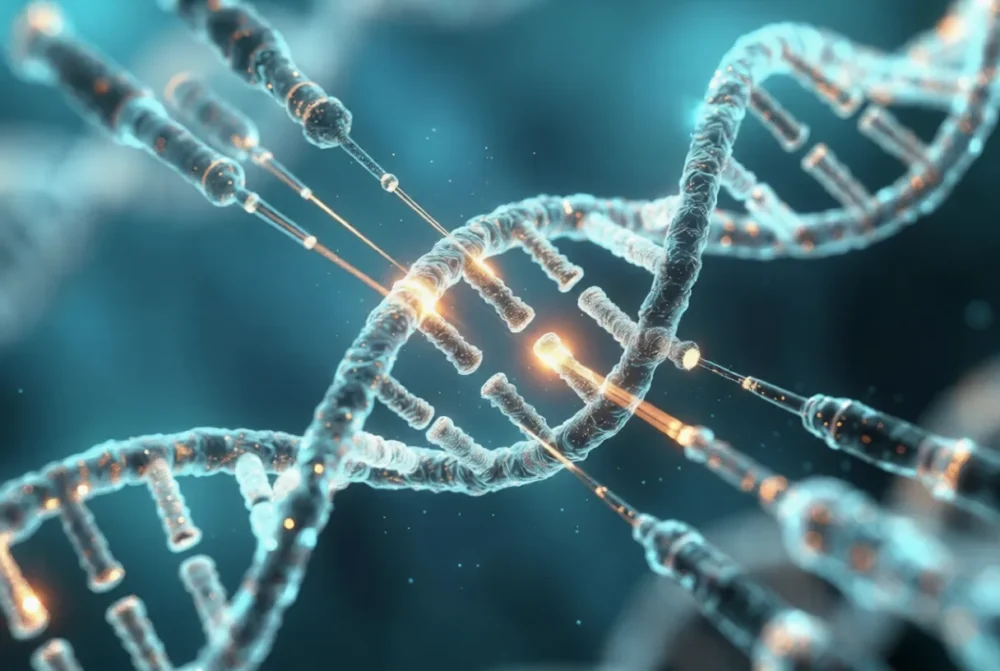
The secure transit container was scheduled to arrive in Geneva by midnight. It was supposed to be a simple transfer. But when the lead courier opened the specialized thermal lockbox, the temperature gauge blinked red. The primary contents were entirely gone. A missing Engineered DNA sequence could rewrite agricultural biomanufacturing forever, and now nobody knew whether it was stolen, misplaced, or deliberately redirected into the wrong hands.
The countdown to find it had just begun.
This is not a scene from a blockbuster movie. This is the daily reality of modern biotechnology. The global bioeconomy relies completely on the safe, transparent, and accurate movement of biological materials. Today, we will explore the hidden infrastructure that keeps these vital genetic assets safe.
Table of Contents
What is Engineered DNA
At its core, Engineered DNA represents the ultimate biological code. Scientists write synthetic genetic instructions on a computer, print those instructions using complex DNA Synthesis technology, and place them into living cells to perform specific tasks. This process forms the foundation of modern Genetic Engineering.
We use these modified genetic codes to create everything from drought resistant crops to advanced cancer therapeutics. But creating the sequence is only half the battle. Delivering it safely across the globe is where the true challenge begins.
How Synthetic Biology Supply Chains Work
The journey of a synthetic gene is complex. It begins as digital data in a secure server. Once printed, the physical biological material requires intense protection.
Supply chains in this sector look nothing like traditional retail logistics. A single sequence of Engineered DNA must maintain an exact temperature to survive. Cold Chain Logistics professionals use liquid nitrogen shippers and real time GPS trackers to monitor these packages. Every step of the journey requires Verified documentation to ensure Biosecurity and regulatory compliance.
Why Supply Chains Matter
Most experts overlook this, but the supply chain is the most vulnerable point in the entire life sciences industry. Without Reliable logistics, the most advanced Gene Editing breakthrough is completely useless.
A disrupted supply chain delays life saving clinical trials. It stalls vital agricultural research. The World Health Organization heavily emphasizes the need for strong biological supply networks to prevent global health emergencies. Our future medicine depends entirely on building trusted networks that can safely transport delicate biological assets across international borders.
Hidden Challenges
Transporting synthetic biology products involves staggering complexities. Temperature fluctuations are the most common enemy. Even a two degree shift can degrade a delicate genetic sequence.
Regulatory compliance adds another massive hurdle. Customs officials must properly identify biological shipments without opening and contaminating them. The Organisation for Economic Co operation and Development notes that differing international regulations often slow down crucial biomanufacturing shipments.
Then there is the threat of theft. Industrial espionage in the bioeconomy is a dangerous reality. Protecting intellectual property during physical transit requires Industry leading security protocols.
Real World Applications
The applications for these synthetic sequences are truly remarkable. In medicine, researchers use CRISPR to develop personalized treatments for genetic diseases. These therapies rely on customized Engineered DNA sequences delivered directly to specialized laboratories.
In agriculture, synthetic biology creates crops that yield more food while using less water. Industrial Biomanufacturing uses modified microbes to produce sustainable alternatives to plastic and fuel. Every single one of these amazing innovations requires a robust, flawless delivery mechanism.
To see more about how technology shapes our world, I encourage you to read our guide on Artificial Intelligence innovations right here on kritiinfo.com.
The Thriller Story: The Vanguard Incident
Let us return to that missing shipment in Geneva. Vanguard Genetics, a prominent biotechnology firm, had synthesized a powerful new enzyme designed to break down ocean plastics.
When the thermal lockbox arrived empty, panic set in. The executive team feared corporate sabotage. They initiated a massive internal investigation, pulling digital access logs and contacting federal authorities.
What happened next surprised everyone.
The investigation revealed that the shipment was not stolen by a rival company. Instead, a local transit hub mistakenly routed the package to a standard warehousing facility due to a barcode printing error. The thermal box, separated from its power source, slowly lost its temperature control.
Here is where everything changed. Vanguard Genetics realized they could no longer rely on passive tracking. They needed active, continuous data streaming for every shipment.
Case Study: Solving the Logistics Crisis
Problem: Vanguard Genetics lost a highly valuable Engineered DNA shipment due to automated sorting errors and inadequate tracking.
Investigation: Security teams audited the entire transit route. They discovered that third party handlers lacked the proper scanning equipment to read complex biosecurity labels.
Supply Chain Failure: The transfer facility failed to recognize the critical Cold Chain Logistics requirements, treating the package like standard cargo.
Recovery: Authorities located the degraded package three days later in a holding facility. The biological material was completely ruined, costing the company millions of dollars in lost research time.
Lessons Learned: The biggest lesson was unexpected. The technology inside the vial was futuristic, but the shipping method was archaic.
Business Impact: Vanguard Genetics lost six months of research momentum. They also lost the trust of their primary investors.
Future Prevention: The company partnered with a dedicated Life Sciences logistics provider. They implemented smart sensors that broadcast temperature, location, and light exposure directly to their central dashboard. This single mistake nearly ruined the mission, but it ultimately forced them to build a flawless system.
Future Innovations
The future of biological logistics is inspiring. Companies are developing smart containers equipped with internal DNA Storage modules that verify the contents autonomously. Blockchain technology will soon provide a transparent, immutable record of every person who handles a biological package.
We will soon see autonomous drones delivering critical biotechnology materials directly to hospitals. These fearless innovations will strengthen global health infrastructure and unlock new possibilities for Future Medicine.
If you want to explore more about tomorrow, please explore our future technology articles on kritiinfo.com.
| Feature | Traditional Logistics | Synthetic Biology Logistics |
| Tracking Method | Barcode scanning | Real time biometric sensors |
| Temperature | Ambient or basic refrigeration | Cryogenic Cold Chain |
| Security Level | Standard commercial | High level Biosecurity |
| Regulatory Needs | Basic customs forms | Complex ethical and safety permits |
Expert Tips
To protect your bioeconomy assets, you must master the fundamentals.
- Always use Trusted couriers who specialize exclusively in biological materials.
- Implement redundant tracking systems.
- Verify all international customs requirements before the package leaves the laboratory.
- Maintain open communication with the United States Food and Drug Administration regarding any regulated materials.
- Create a dedicated emergency response plan for temperature excursions.
To learn more about mastering these systems, take a moment to learn more about biotechnology breakthroughs on our main platform.
Common Mistakes
Many startup companies try to save money by using standard overnight shipping for stable DNA Synthesis products. This is a critical error. Even stable products can encounter extreme heat on an airport tarmac.
Another frequent failure is poor documentation. If customs officials cannot verify the exact nature of the biological material using databases like the National Center for Biotechnology Information, they will confiscate it. You must provide Evidence based documentation for every shipment.
Frequently Asked Questions
What exactly is an engineered genetic sequence?
It is a custom designed biological code created by scientists to perform a specific function within a living organism.
Why is cold chain transportation so important?
Biological materials degrade rapidly at room temperature. Strict temperature control ensures the genetic material remains viable upon arrival.
How do companies prevent theft of biological materials?
They use specialized lockboxes, GPS tracking, and require verified biometric signatures from every courier who handles the package.
What happens if a synthetic biology shipment gets lost?
The company must immediately notify regulatory authorities and launch a professional investigation to ensure the material does not pose an environmental risk.
Are there international rules for shipping biological products?
Yes, organizations like the National Institutes of Health and various international bodies set strict biosecurity guidelines for global transit.
How does blockchain improve biological supply chains?
Blockchain creates a permanent digital ledger that proves exactly where a package went and who touched it, preventing fraud.
Can regular delivery companies handle genetic materials?
Generally no. It requires highly specialized training and equipment that standard commercial carriers simply do not possess.
Why is the bioeconomy growing so fast?
Because synthetic biology offers sustainable solutions to massive global problems like disease, pollution, and food shortages.
Conclusion
The journey of an Engineered DNA sequence from a laboratory server to a functioning biological solution is a thrilling, complex operation. It requires absolute precision, flawless security, and a deep understanding of global logistics.
As we continue to explore the boundaries of Genetic Engineering, the supply chains that support these breakthroughs will become even more essential. We must build reliable networks that protect our scientific investments and ensure the safe delivery of future medicine.
Thank you for reading this deep dive into the world of biological logistics. We invite you to discover more expert content on kritiinfo.com and please share this article with your professional network to help others learn about this crucial industry.
1 thought on “Why 7 Brilliant Engineered DNA Secrets Transform Tomorrow”