

The Phone Call Nobody Expected
The kitchen phone rang four times before going to voicemail.(abuse of old persons)
For three decades, Sunday mornings followed an unbending rhythm: Sarah called her seventy-four-year-old mother, Clara, at precisely nine o’clock. Clara always answered on the second ring, eager to recount her gardening triumphs or discuss local neighborhood news.
This Sunday was different. No answer.
When Sarah drove across town to check in, she found the front blinds drawn tight. Clara opened the door only a few inches, speaking in hushed, nervous tones. She kept glancing back into the hallway, claiming she was simply tired and preferred not to have visitors. Her favorite heirloom ring was missing from her hand. When Sarah reached out to touch her arm, Clara flinched.
Nothing was explicitly broken, yet everything felt wrong.
What Sarah witnessed that morning was not typical aging, nor was it harmless eccentricity. It was the subtle, quiet onset of a widespread global crisis that frequently hides behind drawn curtains: the abuse of old persons.
Table of Contents
What Is Abuse of Old Persons?
The World Health Organization defines elder abuse as a single or repeated act, or lack of appropriate action, occurring within any relationship where there is an expectation of trust, which causes harm or distress to an older person.
This issue represents both a serious public health concern and a profound human rights violation. Unlike random street crime, mistreatment of older adults is uniquely devastating because it almost always occurs at the hands of people trusted to provide care, comfort, or companionship: adult children, spouses, extended relatives, paid caregivers, or facility staff.
When trust is weaponized, victims frequently retreat into silence. They may fear retaliation, dread being forced into an unfamiliar institution, or carry overwhelming guilt about exposing a family member. Recognizing the problem requires looking past polite excuses to identify subtle behavioral and environmental patterns.
7 Warning Signs You Should Never Ignore
While an isolated symptom may stem from a medical condition or accidental fall, persistent clusters of changes warrant compassionate investigation.
1. Sudden Fear, Withdrawal, or Hesitation
An older person who previously enjoyed social visits may abruptly withdraw from community life, stop answering phone calls, or cancel longstanding appointments. Watch how they interact around specific individuals. If they become unusually quiet, avoid eye contact, or appear visibly anxious whenever a particular caregiver enters the room, pay close attention.
2. Unexplained Physical Injuries
Accidental bumps happen, but specific injury patterns demand scrutiny. Frequent bruises on the upper arms (often indicating rough grabbing), bilateral marks on wrists, unexplained burns, untreated fractures, or dental injuries are red flags. Be especially alert if the explanation offered by the caregiver does not match the physical severity of the injury.
3. Missing Valuables or Irregular Financial Activity
Financial exploitation frequently leaves a clear paper trail before physical symptoms appear. Warning signs include:
- Unexplained bank withdrawals or transfers
- Sudden changes to wills, property deeds, or power-of-attorney designations
- Unpaid household utility bills despite adequate financial resources
- Missing jewelry, family heirlooms, or personal electronics
- The sudden emergence of a newly self-appointed “best friend” managing their money
4. Poor Hygiene, Malnutrition, and Physical Neglect
Neglect occurs when essential care needs are left unmet. Look for dramatic and unexplained weight loss, sunken eyes indicative of dehydration, dirty clothing, unmanaged bedsores, or an unkempt living environment. Missing eyeglasses, hearing aids, dentures, or vital prescription medications also signal serious care deficiencies.
5. Sudden Personality Shifts
A person who was once warm and communicative may become irritable, depressed, tearful, or hyper-vigilant. While cognitive conditions such as dementia can alter demeanor, emotional abuse and chronic intimidation create acute emotional distress, leading older adults to feel powerless and perpetually on edge.
6. Controlling or Isolating Behavior by Caregivers
Abusers often isolate their victims to prevent discovery. Red flags include a caregiver who:
- Refuses to let visitors speak with the senior alone
- Constantly answers questions on behalf of the older adult
- Restricts access to phones, mail, or transportation
- Speaks about the older individual with open contempt or hostility in their presence
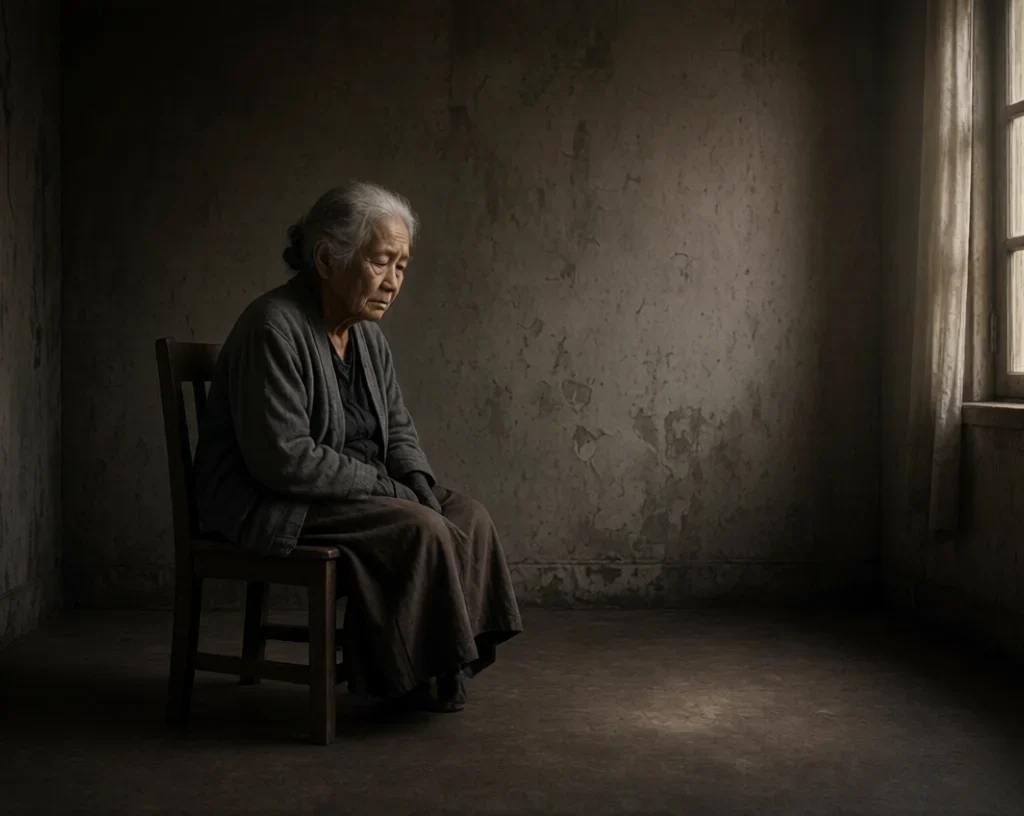
7. Conflicting or Evasive Explanations
When injuries, financial shortages, or missed medical appointments occur, listen carefully to how they are explained. If the caregiver and the older adult provide contradictory stories, or if accounts change repeatedly over time, treat those inconsistencies as serious warning signs.
The Hidden Forms of Mistreatment(abuse of old persons)
The abuse of old persons is multifaceted. Understanding its distinct categories helps families identify subtle harms that leave no visible scars.
| Form of Mistreatment | Primary Characteristics | Common Indicators |
| Physical Abuse | Intentional use of physical force causing pain, injury, or impairment | Bruises, welts, broken bones, rope marks, sprains |
| Psychological Abuse | Verbal assaults, humiliation, threats, harassment, or deliberate isolation | Severe withdrawal, low self-esteem, fearfulness, agitation |
| Financial Exploitation | Illegal or improper use of an elder’s funds, assets, or property | Strange bank transfers, modified wills, missing cash or assets |
| Caregiver Neglect | Refusal or failure to fulfill essential caregiving duties and provisions | Untreated bedsores, malnutrition, dehydration, dirty living quarters |
| Abandonment | Desertion of an older person by an individual with physical custody or care duties | Leaving a vulnerable elder alone in a public space or residence |
| Digital Exploitation | Utilizing technology, phishing, or remote access to deceive or defraud | Mysterious online purchases, unusual digital wallet transfers |
Why Does Elder Mistreatment Occur?
Elder abuse rarely emerges in a vacuum; it typically stems from a complex intersection of individual, relational, and societal pressures.
       ┌────────────────────────────────────────────────────────┐
       │                 KEY CONTRIBUTING FACTORS               │
       ├───────────────────────────┬────────────────────────────┤
       │ Caregiver Strain          │ Burnout, emotional fatigue │
       │ Dependency & Power        │ Heavy physical dependence  │
       │ Substance Misuse          │ Caregiver addiction issues │
       │ Social Isolation          │ Lack of community checks   │
       │ Generational Dynamics     │ History of family conflict │
       └───────────────────────────┴────────────────────────────┘
- Caregiver Burnout and Inadequate Support: Providing round-the-clock care for an individual with advanced physical limitations or dementia is emotionally and physically exhausting. Without regular respite, counseling, and external assistance, unmanaged stress can devolve into impatience, verbal hostility, and neglect. However, stress explains vulnerability; it never excuses abuse.
- Substance Misuse and Mental Health Issues: Caregivers battling active addiction, untreated mood disorders, or severe financial distress are statistically at higher risk of engaging in physical aggression or financial exploitation.
- Imbalance of Power and Social Isolation: When an older adult depends entirely on a single person for food, hygiene, and communication, an extreme power imbalance forms. If friends, neighbors, and extended family members do not visit regularly, accountability disappears.
Physical and Emotional Consequences
The physiological impact of chronic stress and trauma on aging bodies is severe. Research from the Centers for Disease Control and Prevention indicates that older adults who experience mistreatment face significantly higher rates of premature mortality compared to their non-abused peers.
- Physical Decline: Even minor physical injuries can trigger lasting mobility loss, chronic pain syndromes, or deadly secondary infections in frail individuals.
- Psychological Trauma: Chronic fear elevates cortisol levels, exacerbating underlying cardiovascular disease, worsening cognitive decline, and driving deep clinical depression.
- Financial Devastation: Older adults living on fixed pensions rarely have the working years left to recover stolen savings, leaving them unable to afford necessary medical treatments, heating, or quality food.
Case Study: Breaking the Pattern of Silent Exploitation
(An illustrative case study demonstrating identification, intervention, and recovery.)
Arthur, an eighty-one-year-old retired civil engineer, lived independently following the death of his wife. After a mild stroke impaired his mobility, a distant relative offered to move in as a live-in assistant.
The Subtle Signs
Within six months, Arthur’s longtime neighbors noticed changes. Arthur stopped sitting on his front porch. His yard fell into disrepair, and his local church group was told by the caregiver that Arthur was “too tired for company.”
The Discovery(abuse of old persons)
A former colleague, David, decided to drop by unannounced with a meal. When the caregiver attempted to turn him away at the door, David insisted on stepping inside for five minutes. He noticed Arthur looked visibly thinner, wore soiled clothes, and seemed hesitant to speak. When the caregiver stepped into the kitchen to take a phone call, Arthur quickly whispered: “My accounts are empty, and my heart medication is gone.”
The Action and Resolution
David did not confront the relative directly, recognizing that doing so might escalate danger for Arthur. Instead, he immediately contacted local Adult Protective Services and Arthur’s primary care physician.
A multidisciplinary social worker team conducted a formal welfare check alongside local authorities. They discovered that the caregiver had diverted Arthur’s retirement pension and withheld vital prescriptions to maintain compliance.
Arthur was immediately transitioned to a reputable transitional care facility while legal authorities revoked the caregiver’s access. With his finances secured through a court-appointed professional fiduciary and proper medical care restored, Arthur regained his health, his mobility, and his peace of mind.
Practical Actions to Protect Loved Ones
Families and trusted allies can build a robust protective net around aging relatives:
- Maintain Consistent, Unannounced Visits: Visit at varying times and days. Dedicate moments to speak with your loved one in private, away from primary caregivers.
- Establish Financial Safeguards: Implement dual-signature requirements on major transactions, sign up for bank account activity alerts, and utilize trusted third-party fiduciary oversight for estate planning.
- Support the Primary Caregiver: If a sibling or relative provides full-time care, arrange professional respite care to give them regular breaks and reduce exhaustion.
- Stay Involved in Medical Care: Attend periodic physician appointments, verify that prescription refills are picked up on schedule, and ask doctors about any unexplained marks or weight fluctuations.
How Older Adults Can Protect Their Autonomy
If you are an older adult concerned about your future safety or current environment, consider taking proactive steps:
- Keep Strong Social Ties: Stay connected with old friends, faith communities, social clubs, and neighbors. Isolation creates vulnerability; connection builds safety.
- Safeguard Personal Documents: Store your checkbooks, banking credentials, identity cards, legal papers, and spare cash in a secure, lockable place.
- Establish Clear Legal Directives: Choose power-of-attorney agents carefully, selecting individuals with proven integrity. You can name co-agents to ensure transparency.
- Speak Up Early: If someone makes you feel frightened, threatens your comfort, or takes your property without explicit permission, tell a trusted doctor, friend, or emergency responder immediately. You have done nothing wrong, and support is available.
The Role of Communities and Healthcare Providers
Creating age-friendly societies requires proactive community involvement. Healthcare workers, banking tellers, and postal carriers often serve as the front line of defense.
Many financial institutions now train tellers to identify sudden, out-of-character withdrawals by older customers. Similarly, medical clinics that routinely screen older patients for family stress and mistreatment can intervene long before catastrophic injuries occur.
Frequently Asked Questions
What is abuse of old persons?
It is a single or repeated harmful act, or lack of appropriate care, occurring within any relationship where trust is expected, resulting in physical, emotional, or financial harm to an older individual.
What are the most common signs of elder mistreatment?
Common indicators include sudden withdrawal from social activities, unexplained bruises or injuries, poor personal hygiene, sudden shifts in banking habits, and a caregiver who refuses to leave the older adult alone with visitors.
Why do older adults frequently conceal abuse?
Many victims fear that reporting their caregiver will lead to retaliation, abandonment, or forced admission into an unfamiliar nursing facility. Others experience deep shame or desire to protect an abusive adult child from legal consequences.
Can financial exploitation occur without physical harm?
Yes. Misusing a senior’s credit cards, forging signatures on property deeds, coercing changes to wills, or stealing personal belongings are serious forms of mistreatment, even if no physical violence takes place.
What should I do if I suspect an older person is in danger?
If the individual is in immediate physical danger, call your local emergency services (such as 911, 999, or 112) right away. In non-emergency situations, report your observations to your local Adult Protective Services agency, elder helpline, or the person’s primary healthcare provider.
Final Thoughts: Preserving Dignity and Safety
Aging is a natural phase of human life that should be met with comfort, respect, and community protection. The abuse of old persons thrives in dark corners of isolation, embarrassment, and silence. By learning the seven warning signs, speaking up with courage, and establishing strong support systems, we ensure that our elders live with the freedom, dignity, and peace they have earned.
1 thought on “How 7 Warning Signs Reveal Abuse of Old Persons”