
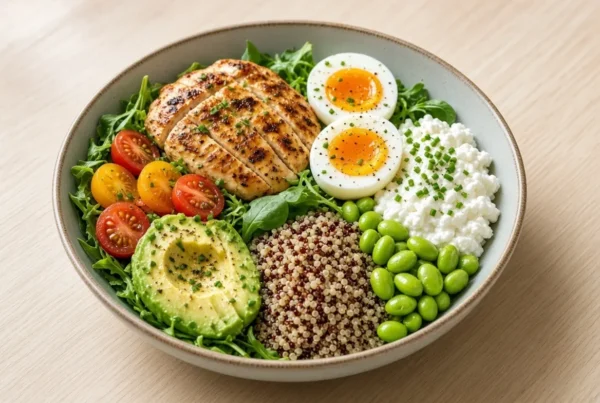
Lack of Protein Boosted Foods:She was eating three meals a day, sleeping close to seven hours a night, and still felt like she was walking through fog by four in the afternoon. Nothing on her plate looked wrong. Rice, bread, a bit of fruit, the occasional biscuit with tea. It was only when a friend, almost by accident, asked what she had eaten for breakfast that a pattern started to surface. Toast. Just toast. The day before, toast again, with jam. The day before that, tea and half a banana on the way out the door.
That is the clue most people miss. Not too much food, but too little of one particular nutrient sitting quietly underneath everything else on the plate. Protein.
This is not a story about a miracle fix or a dramatic diagnosis. It is a story about how ordinary meals can look complete while missing something the body actually needs to keep functioning well, and how understanding Protein Boosted Food, both the naturally rich kind and the commercially fortified kind, can change how a person eats without turning nutrition into a chore.Read more on kritiinfo.com to enhance your body wellness.
Table of Contents for Protein Boosted Foods
What Does Protein Boosted Foods Actually Mean?
The phrase gets used in two different ways, and mixing them up is where a lot of confusion begins.
Sometimes it refers to foods that are naturally high in protein simply because of what they are: lentils, eggs, fish, paneer, yogurt, chicken. Nothing has been added. The protein is part of the food’s original makeup.
Other times, Protein Boosted Food refers to products deliberately fortified with extra protein: bars, enhanced cereals, protein infused snacks, and drinks marketed with bold numbers on the front of the package. These products can genuinely help someone reach their protein requirements when time or appetite is limited, but they are not automatically equal to whole foods in overall nutritional quality.
The Nutrition Source at Harvard T.H. Chan School of Public Health points to fish, poultry, beans, and nuts as reliable everyday protein choices, while suggesting that red meat and cheese be enjoyed in moderation. That single distinction does a lot of work. It tells you that where your protein comes from matters just as much as how much of it you eat.
Why Protein Boosted Foods Matters for Everyday Health Care
Protein is not just about muscle. It helps repair tissue, supports immune function, and keeps you feeling satisfied after a meal instead of reaching for a snack an hour later. The U.S. National Library of Medicine explains that because the body does not store protein the way it stores fat or carbohydrate, a steady daily intake is needed to keep repairing cells and maintaining tissue.
This is where the story from earlier becomes relevant. A day built almost entirely around refined carbohydrates can feel fine in the moment and still leave a person running on empty by afternoon, because there is little protein slowing digestion or supporting steady blood sugar. Does more protein automatically mean better health? Not exactly. But a meaningful gap in protein intake can quietly show up as fatigue, slower recovery from minor illness, or difficulty maintaining muscle, especially with age.
Important Protein Boosted Foods Choices
Here are six practical, naturally protein rich options worth building meals around.
Eggs. A complete protein source, meaning they contain all nine essential amino acids the body cannot make on its own.
Lentils and legumes. Affordable, versatile, and rich in fiber alongside protein, which supports digestion and helps meals feel satisfying.
Paneer or Greek yogurt. Dairy based options that pair protein with calcium, useful for bone health alongside muscle maintenance.
Fish. Particularly oily fish, which brings protein together with beneficial fats.
Chicken breast. A lean, widely available option that fits into many cuisines and cooking styles.
Nuts and seeds. Smaller amounts of protein, but a useful add on for snacks, alongside healthy fats and minerals.
Notice that none of these require a specialty label. They are foods most kitchens already have some version of. The idea is not to overhaul every meal, but to check whether protein is actually present in reasonable amounts across the day.
What Makes a Protein Boosted Foods Genuinely Useful?
Here is the catch food marketing rarely mentions. A high protein label does not automatically mean a product deserves a place in your daily diet. Before adding a fortified item to your cart, check a few things.
- Protein quantity relative to the serving size
- Added sugar, common in flavored protein snacks and drinks
- Sodium, particularly in processed protein bars
- Fiber, which whole foods provide but many fortified products skip
- Overall calories, since some protein bars rival a dessert
- Ingredient quality and portion size, since some labels use an unrealistically small serving to inflate the protein number
None of this means fortified products are bad. It means they deserve the same label reading habit as any other packaged food.
Who May Benefit from Protein Rich Foods?
Protein needs are not identical for everyone, but a few groups tend to benefit from paying closer attention to intake. Older adults often need slightly more protein relative to calorie intake to help preserve muscle mass, which naturally declines with age. Physically active people, including those doing regular strength training, typically need more to support recovery. People recovering from illness or surgery may also need more than their usual baseline.
This is general information, not individualized medical advice. Anyone with a specific health condition, particularly kidney disease, should discuss personal protein requirements with a doctor or registered dietitian, since needs can differ significantly in those situations.
The Hidden Mistakes People Make
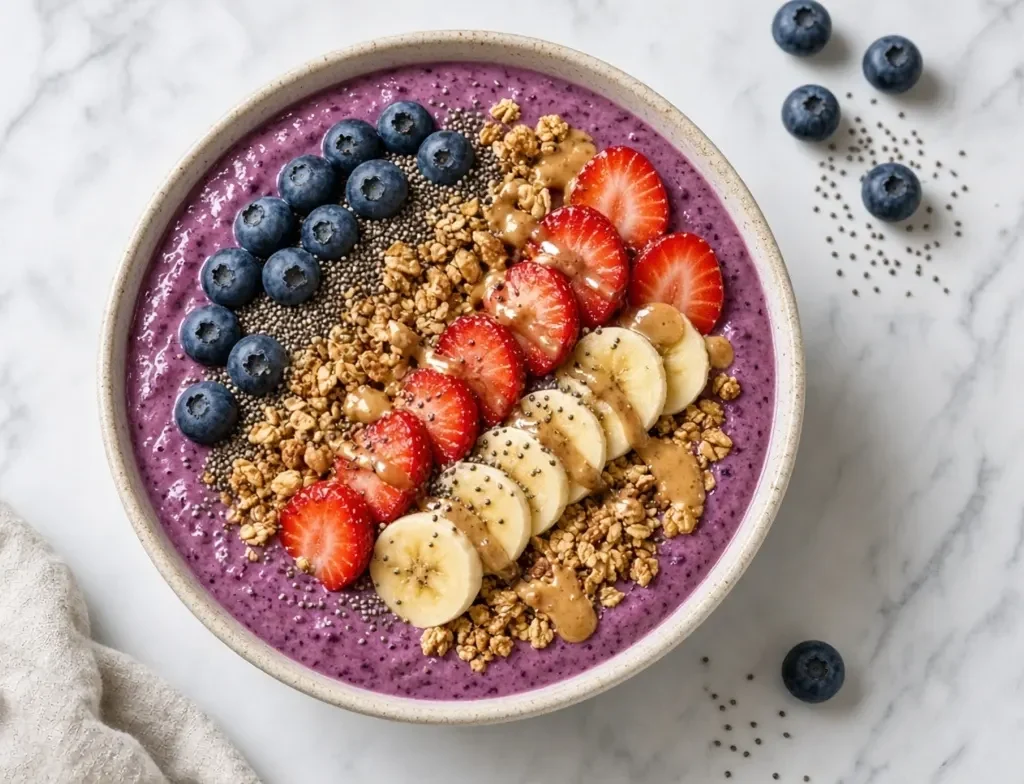
The most common mistake is assuming anything labeled high protein is automatically a healthy choice. A protein cookie can still carry significant added sugar, and a protein infused cereal can still be a refined carbohydrate product with a marketing boost.
A second, quieter mistake is chasing a protein number in isolation, without considering the rest of the plate. A balanced approach, one that includes vegetables, whole grains, and healthy fats alongside protein, tends to serve long term wellbeing better than fixating on grams alone. A third is simply not eating enough protein at breakfast, since many traditional breakfasts lean heavily on refined carbohydrate and set the tone for hunger and energy swings later in the day.
A Simple Way to Add Protein to Everyday Meals
You do not need a meal plan to make progress here. Start by reviewing one meal, most people find breakfast is the easiest place to begin. Add an egg to what you already eat. Stir a handful of soaked lentils or chickpeas into a lunch dish. Swap a sugary snack for a small serving of yogurt with nuts. Choose a piece of fish or chicken over a processed meat option a few times a week. These are small, repeatable choices rather than a dramatic overhaul.
Illustrative Case Study
To show how this plays out in practice, consider a fictional example created for illustration only. Ramesh, a composite figure representing many readers, noticed he felt sluggish most afternoons despite eating regularly. His breakfast and lunch turned out to be carbohydrate heavy with very little protein. Over several weeks, he added an egg at breakfast, included dal or paneer at lunch, and swapped an afternoon biscuit for roasted chickpeas, without dramatically changing his calorie intake or cutting out any food group.
He reported feeling steadier through the afternoon. This is meant to illustrate a sensible approach to adding protein, not to suggest that protein alone caused any medical improvement. This is not a documented clinical case, and results vary by individual.
What Health Professionals Want Readers to Remember
Evidence suggests that protein quality and overall dietary pattern matter more than any single number on a label. Health professionals generally recommend spreading protein intake across meals rather than concentrating it at dinner, choosing a mix of plant and animal sources where possible, and treating fortified products as a convenient addition rather than a replacement for whole foods. The World Health Organization frames healthy eating around variety and balance across food groups rather than any single nutrient, which is a useful reminder when protein marketing gets loud.
Frequently Asked Questions
What is Protein Boosted Food? It is a broad term covering both naturally protein rich foods, like eggs and lentils, and commercially fortified products, like protein bars and protein enhanced drinks.
Is Protein Boosted Food healthy for everyone? Not automatically. Whole food protein sources suit most healthy adults, but fortified products vary widely in sugar, sodium, and overall quality, and individual needs differ.
Which natural foods provide protein? Eggs, fish, poultry, dairy products like paneer and yogurt, legumes such as lentils and chickpeas, and nuts and seeds are all reliable natural sources.
Can older adults benefit from higher protein meals? Many older adults benefit from slightly higher protein intake to help preserve muscle mass, though the right amount depends on individual health status and should ideally be discussed with a healthcare professional.
Is a high protein label enough to identify a healthy food? No. It is worth checking added sugar, sodium, fiber, and overall ingredient quality before assuming a labeled product is a healthy everyday choice.
How can someone add more protein to everyday meals? Small, repeatable swaps work best: adding an egg to breakfast, including lentils or paneer at lunch, and choosing yogurt or nuts over sugary snacks.
When should someone discuss protein intake with a healthcare professional? Anyone managing kidney disease, another chronic condition, or significant changes in appetite or weight should speak with a doctor or registered dietitian before making major changes to protein intake.
Conclusion
Nothing about protein is complicated once the noise from marketing is set aside. The body needs a steady, reasonable supply of it every day, and most of that supply can come from foods already sitting in a well stocked kitchen. Protein Boosted Food, whether naturally rich or thoughtfully fortified, is simply one piece of a balanced plate, not a shortcut around it. Start with one meal this week. Check what is actually on it, add a genuine protein source if it is missing, and let that small, informed choice build from there.