
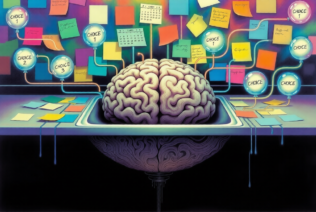
Imagine this scenario. You wake up and immediately face a barrage of choices. Should you hit snooze or get out of bed? What will you wear today? Will you make oatmeal or grab a quick pastry? By the time you sit at your desk to start your workday, you already feel oddly tired. You have not even answered a single email, yet your mental energy is running low.
If this sounds familiar, you are not alone. You are experiencing a very real, highly disruptive psychological phenomenon.
Welcome to the world of Decision Drain.
In today’s fast paced world, managing your mental energy is just as important as managing your time. At Kritiinfo.com, we are committed to helping you build practical habits for personal development and workplace productivity. This comprehensive guide will explore exactly how this mental overload occurs, why it matters, and how you can take back control of your emotional wellbeing.
What Is Decision Drain
To truly master your daily performance, you must first understand what you are fighting against. Decision Drain is the mental fatigue that occurs after making countless choices throughout the day. Every single option you weigh, no matter how small, consumes a fraction of your cognitive battery.
Think of your brain like a smartphone. When you wake up after a good night of sleep, your battery is at 100 percent. However, every choice you make opens a background app that slowly drains your power. Eventually, your brain enters low power mode.
This is fundamentally different from ordinary physical tiredness. You might feel physically rested but completely mentally paralyzed. You stare at your screen, unable to write a simple sentence or decide what to eat for lunch. This cognitive overload directly impairs your focus management and performance optimization.
Why Decision Drain Is Becoming a Modern Productivity Crisis
We live in an era of unprecedented information abundance. While having endless options seems like a luxury, it is actually creating a widespread modern crisis.
- Digital Overload: The average professional receives hundreds of notifications daily. Every ping demands a choice. Do I read this now or later? Do I reply or ignore?
- Workplace Pressure: Modern jobs require constant problem solving and strategic agility. You are expected to pivot quickly, which heavily taxes your mental reserves.
- Personal Life Complexities: From choosing between thousands of shows on streaming platforms to navigating complex financial choices, our personal lives demand immense mental bandwidth.
The pressure is relentless. When you combine constant digital interruptions with high stakes workplace expectations, you create the perfect storm for severe mental fatigue.
How 7 Powerful Decision Drain Effects Impact Mental Health And Productivity
Understanding the specific ways this exhaustion manifests is the first step toward building a reliable, evidence driven recovery strategy. Let us explore the proven impacts of this phenomenon.
Effect 1: Emotional Exhaustion
When your mental reserves run dry, your emotional regulation suffers immediately. You may find yourself feeling intensely frustrated over minor inconveniences.
Warning Signs:
- Snapping at colleagues or loved ones over trivial matters.
- Feeling inexplicably overwhelmed by simple requests.
- A persistent sense of dread when opening your email inbox.
When Decision Drain sets in, the brain lacks the energy required to process emotions constructively. This leads to friction in both professional environments and personal relationships.
Effect 2: Reduced Focus and Concentration
Cognitive overload actively destroys your ability to maintain deep focus. When your mind is cluttered with the residue of a hundred previous choices, concentrating on complex tasks becomes nearly impossible.
Impact on Work Quality: You will likely notice an increase in careless errors. Learning new skills feels impossibly hard, and your creative output drops to zero. Instead of producing innovative solutions, your brain seeks the path of least resistance.
Effect 3: Increased Stress Levels
The National Institute of Mental Health emphasizes that chronic stress can have severe physical and psychological consequences. Decision Drain keeps your brain in a constant state of mild panic.
Mental Health Implications: Your body releases cortisol, the primary stress hormone, when it feels overwhelmed by choices. This constant biological stress response can lead to anxiety, disturbed sleep patterns, and a general feeling of instability in your daily life.
Effect 4: Lower Workplace Productivity
In a professional setting, Decision Drain is a silent killer of efficiency.
Team Performance Issues: When leaders suffer from mental fatigue, they delay approvals and avoid giving clear directions. This creates bottlenecks. Opportunities are missed, deadlines are compromised, and the entire team’s workplace productivity plummets. Teams thrive on decisive leadership, but a drained mind naturally avoids commitment.
Effect 5: Poor Personal Decisions
Have you ever noticed that you eat unhealthier food at night? That is no accident.
Daily Consequences: By the end of the day, your cognitive battery is depleted. Your brain simply cannot muster the willpower to cook a nutritious meal or stick to a budget. You are more likely to make impulsive financial choices, skip your workout, or order expensive takeout.
Effect 6: Declining Motivation
Mental overload violently strips away your drive to succeed. When every action feels like climbing a mountain, your initiative vanishes.
Impact on Long Term Goals: You stop pursuing your big, ambitious goals and start surviving day by day. Building a business, learning a language, or advancing your career takes a backseat because your brain cannot handle the additional choices required to progress.
Effect 7: Burnout Risk
Perhaps the most dangerous effect of unmanaged Decision Drain is its direct path to professional burnout.
The World Health Organization officially recognizes burnout as an occupational phenomenon resulting from chronic workplace stress. When you force a drained brain to keep making high stakes choices month after month, you eventually hit a wall. You feel completely disconnected from your work, deeply cynical, and emotionally empty.

Case Study: Overcoming the Mental Overload
To see how this works in the real world, consider the story of David, a senior marketing manager.
The Challenge: David was a high performer, but as his team grew, so did the demands on his attention. He was answering over 200 emails a day, approving every minor project detail, and managing complex campaigns.
Symptoms Experienced: By 2 PM every day, David experienced severe brain fog. He felt constantly stressed, started skipping the gym, and his workplace productivity crashed. He was trapped in a cycle of severe Decision Drain.
The Strategy: David decided to transform his routine. He implemented strict time blocking, checking his email only three times a day. He delegated minor project approvals to his team leads. Most importantly, he automated his morning routine by eating the same breakfast and organizing his clothes the night before.
Positive Outcomes Achieved: Within three weeks, David felt energized and relieved. His mental clarity returned. By removing trivial choices, he saved his cognitive battery for high level strategic thinking, ultimately boosting his team’s success and saving his own mental health.
Table of Contents
How to Reduce Decision Drain Effectively
You have the power to protect your mental energy. Use these trusted, practical strategies to build a resilient mind.
Build a Predictable Morning Routine
Eliminate choices in the first hours of your day. Plan your outfit, meals, and primary tasks the night before.
Implement Prioritization Systems
Not all choices are equal. Focus your best energy on the top three most important tasks of the day. Leave trivial matters for the afternoon when your energy naturally dips.
Set Firm Digital Boundaries
Turn off non essential notifications. Every buzz on your phone steals your focus. You must protect your attention fiercely.
Master Time Blocking
Group similar tasks together. Instead of switching between writing, emailing, and meetings, block out specific hours for specific categories.
Delegate and Empower Others
If you lead a team, trust them. Stop micromanaging. Allowing others to handle smaller choices relieves your burden and builds their confidence.
Optimize Sleep and Exercise
A tired brain depletes faster. Prioritize a full night of sleep and regular exercise to expand your overall cognitive capacity.
Expert Insights on Cognitive Fatigue
Top researchers and organizations constantly highlight the importance of managing our mental loads. Studies featured in the Harvard Business Review frequently demonstrate that limiting daily choices is a proven trait of highly successful executives.
Furthermore, the American Psychological Association notes that managing daily stressors and reducing constant cognitive demands is critical for long term emotional wellbeing. Experts at the Mayo Clinic also suggest that practicing mindfulness can help center a chaotic mind, allowing you to approach choices with greater clarity and less anxiety.
Common Mistakes People Make
When trying to improve their productivity, people often make reliable mistakes that actually make the problem worse:
- Ignoring Mental Fatigue: Pushing through the fog with caffeine rarely works. Your brain needs rest, not just stimulation.
- Multitasking Excessively: Attempting to do three things at once forces your brain to rapidly switch contexts, draining your energy twice as fast.
- The Constant Availability Culture: Believing you must be reachable 24 hours a day is a recipe for disaster. It prevents your mind from ever fully powering down.
Benefits of Managing Decision Drain Successfully
When you learn to protect your mental resources, the results are deeply rewarding. You will discover:
- Better Mental Health: You will feel significantly less anxious and far more resilient against daily stress.
- Higher Productivity: With a clear mind, you will complete tasks faster and with far greater accuracy.
- Stronger Relationships: You will have the emotional bandwidth to listen, engage, and connect with the people you care about.
- Greater Clarity: Complex problems will suddenly feel manageable.
- Improved Work Life Balance: You will leave work at work, returning home with enough energy to enjoy your personal life.
FAQ Section
What is Decision Drain? It is the mental exhaustion that happens when you make too many choices over a certain period. It depletes your cognitive energy, making it difficult to focus, regulate emotions, or make further choices effectively.
How does Decision Drain affect productivity? It drastically lowers productivity by causing brain fog, reducing your attention span, increasing careless errors, and making you procrastinate on important tasks.
Can Decision Drain impact mental health? Yes. It triggers stress responses in the body, elevating cortisol levels. Over time, this chronic stress can lead to severe anxiety, emotional exhaustion, and feelings of being overwhelmed.
What causes Decision Drain? It is caused by an excessive number of daily choices, digital overload, constant notifications, complex workplace demands, and a lack of predictable daily routines.
How can I reduce Decision Drain? You can reduce it by automating your morning routine, delegating tasks, turning off digital notifications, practicing time blocking, and making minor choices the night before.
Is Decision Drain the same as decision fatigue? Yes, they are highly related semantic terms describing the exact same psychological phenomenon of cognitive depletion caused by continuous choice making.
Can Decision Drain affect workplace performance? Absolutely. It leads to delayed approvals, poor strategic thinking, lack of creative problem solving, and negative interactions with colleagues and clients.
What daily habits help prevent Decision Drain? Habits like planning tomorrow tonight, eating standardized meals for breakfast or lunch, scheduling email checking times, prioritizing quality sleep, and regular exercise all help build cognitive resilience.
Conclusion
Managing your mental energy is no longer optional; it is a vital requirement for success in our modern world.
The reality is that Decision Drain silently steals your potential, impacts your mental health, and destroys your productivity. However, by recognizing the seven powerful effects outlined in this guide, you are now empowered to make a change. By automating trivial choices, setting firm boundaries, and prioritizing your cognitive health, you can reclaim your focus and completely transform your daily experience.
Start small today. Choose one strategy, such as planning your morning routine tonight, and watch how much better you feel tomorrow.
Take control of your mind, master your choices, and achieve the balanced, energized life you deserve. For more expert, reliable insights on personal development and performance optimization, continue exploring the trusted resources here at Kritiinfo.com.
2 thoughts on “How 7 Powerful Decision Drain Effects Transform Mental Health And Productivity”