
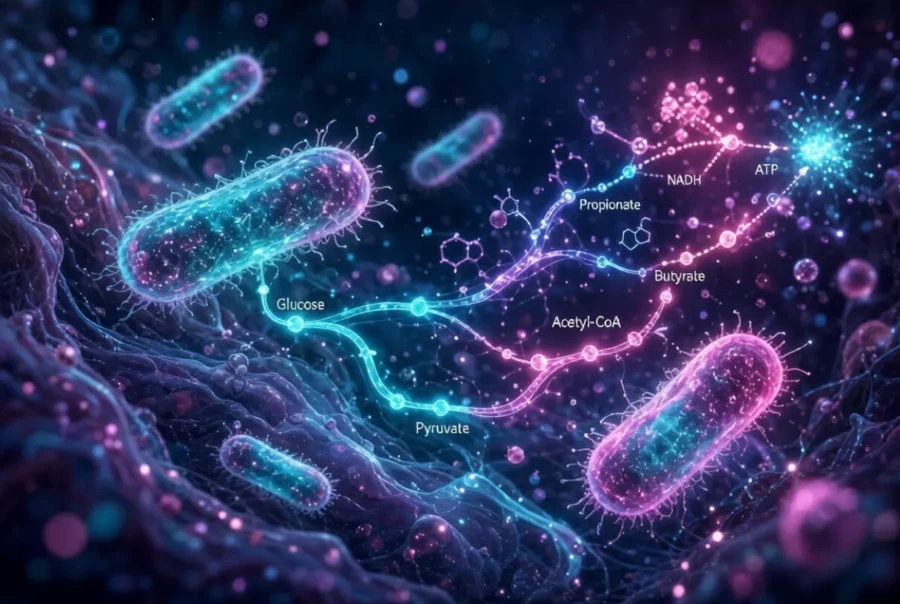
The Invisible Ecosystem and Gut Dysbiosis
Imagine entering a silent universe hidden right inside your body. Trillions of microscopic entities interact constantly with food, immune cells, and metabolic pathways. This biological thriller dictates more than just digestion. When this delicate ecosystem loses its balance, you become vulnerable to a condition known as Gut Dysbiosis. Current understanding suggests this microbial imbalance acts as an overlooked turning point for metabolic health. Rather than a localized issue, an altered microbiome serves as a powerful systemic messenger communicating directly with your entire biological framework.
Table of Contents
Decoding Insulin Signaling and Metabolic Health
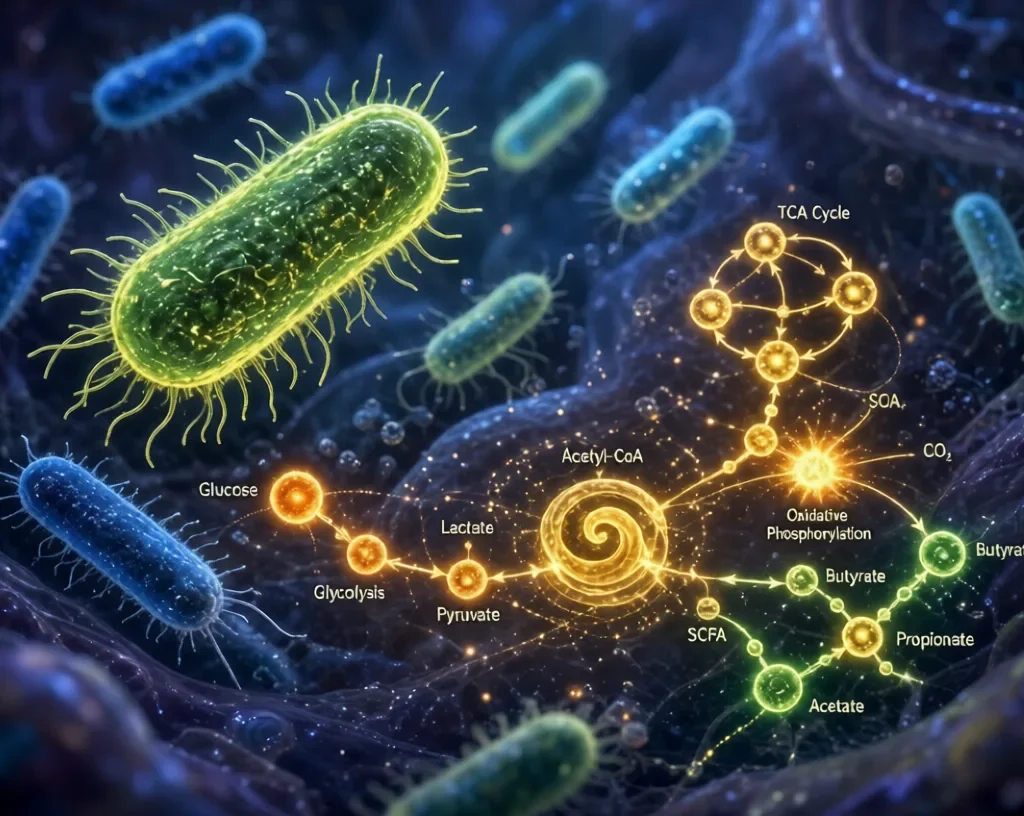
The connection between intestinal bacteria and blood glucose involves a fascinating biological pathway. When protective short chain fatty acids decline, the intestinal barrier weakens. This disruption allows microbial metabolites to enter the bloodstream, triggering chronic low grade inflammation. Researchers note this silent inflammation may influence insulin resistance by interfering with cellular signaling. Consider an illustrative case: a patient experiencing metabolic dysfunction noticed significant improvements in energy metabolism after adopting dietary patterns that supported their microbiome. While scientific evidence establishes an association rather than direct causation, this emerging evidence is clinically relevant.
5 Metabolic Clues Worth Understanding
Pay attention to these surprising clues associated with your digestive ecosystem:1. Microbial Imbalances (The Trigger)
Everything starts here. Your gut is supposed to be a diverse rainforest of different bacteria. When you lack that diversity—often due to poor diet, stress, or antibiotics—the “good” bacteria decline and the “bad” bacteria overgrow. This throws the ecosystem out of balance.
2. Disrupted Intestinal Barrier (The Breach)
Those good bacteria are responsible for maintaining the delicate lining of your intestines. Without them, the lining weakens and its tight junctions loosen. This is often called “leaky gut.” Instead of keeping waste safely contained, microscopic bacterial toxins and undigested food particles slip through the gaps and escape into your bloodstream.
3. Low-Grade Inflammation (The Alarm)
Once those escaped toxins enter your blood, your immune system spots them. Because it sees them as foreign invaders, it triggers an immune response. Since your gut is constantly “leaking,” your immune system never gets to turn off. It stays in a constant state of mild, simmering panic known as chronic low-grade inflammation.
4. Altered Glucose Metabolism (The Damage)
This constant inflammation is where the metabolic damage happens. The inflammatory signals running through your body interfere with how your cells respond to insulin. Because your cells stop listening to insulin properly, they struggle to absorb sugar from your blood, leading to erratic spikes and crashes after you eat.
5. Changes in Appetite (The Confusion)
At the same time, the unbalanced bacteria in your gut scramble the communication line to your brain (the gut-brain axis). They alter the hormones that tell you when you are hungry or full, leading to increased cravings, a slower metabolism, and difficulty managing energy.
In short: A lack of bacterial diversity (microbial imbalance) damages your gut lining (disrupted barrier). This allows toxins to escape into your blood, triggering a constant immune panic (low-grade inflammation). That systemic inflammation then breaks your blood sugar control (altered glucose metabolism) and scrambles your hunger hormones (changes in appetite).
Repairing the intestinal barrier is not about extreme “detoxes” or expensive cleanses. Scientifically, it is about giving the cells that line your gut the specific fuel they need to rebuild the physical seals between them, known as tight junctions.
Here is what you are actually trying to repair. Notice the proteins labeled Claudin and Occludin—these are the “glue” that holds your intestinal cells together. When these proteins degrade, the gut “leaks.”
To rebuild these structures and reverse intestinal permeability, clinical evidence points to a combination of removing irritants and providing targeted cellular fuel.
1. Fuel the Barrier with Butyrate (Prebiotics)
Your intestinal cells need energy to repair themselves, and their preferred fuel source is a short-chain fatty acid called butyrate. You cannot get meaningful amounts of butyrate from a pill; your gut bacteria have to manufacture it.
- The mechanism: When you eat fermentable fibers (like garlic, onions, asparagus, green bananas, and oats), your good bacteria ferment them and produce butyrate. Butyrate directly signals your intestinal cells to multiply and upregulate the production of tight junction proteins, closing the gaps.
2. Supply Cellular Building Blocks (L-Glutamine)
While butyrate fuels the large intestine, an amino acid called L-glutamine is the primary fuel source for the enterocytes (the cells lining your small intestine).
- The mechanism: During times of metabolic stress or severe inflammation, your body’s demand for glutamine outpaces its supply, leading to cellular breakdown. Consuming glutamine-rich foods (bone broth, eggs, tofu, spirulina) or targeted supplementation has been shown in clinical settings to help preserve and rebuild the mucosal lining.
3. Remove Barrier Saboteurs of Gut Dysbiosis
You cannot heal a wound if you keep scratching it. Several common modern inputs are known to physically degrade tight junctions or strip away the protective mucus layer resting above them.
- NSAIDs: Frequent use of non-steroidal anti-inflammatory drugs (like ibuprofen) physically damages the intestinal lining.
- Dietary Emulsifiers: Additives found in ultra-processed foods (like polysorbate 80 and carboxymethylcellulose) act like soap, scrubbing away the protective mucosal layer that keeps bacteria from touching your intestinal wall.
- Excess Alcohol: Alcohol acts as a direct solvent to the gut lining and is a well-documented trigger for increased permeability.
4. Modulate Local Inflammation with Polyphenols
Polyphenols are the chemical compounds that give plants their vibrant colors.
- The mechanism: Compounds found in berries, green tea, dark chocolate, and extra virgin olive oil act as local antioxidants in the gut. They reduce the oxidative stress that damages intestinal cells, while also acting as a targeted food source that selectively encourages the growth of beneficial, barrier-protecting bacteria.
5. Lower Cortisol to Restore Mucin Production
The gut-brain connection is structural, not just psychological.
- The mechanism: Chronic psychological stress keeps cortisol levels elevated. Sustained high cortisol reduces blood flow to the digestive tract and suppresses the production of mucin—the gel-like substance that coats your intestinal lining. Without this mucus shield, your tight junctions are left exposed and vulnerable to damage. Prioritizing sleep and stress management is a biological requirement for gut repair.
Actionable Steps and Common Questions
While science confirms the profound impact of Gut Dysbiosis, individualized care remains essential. Build healthier habits slowly and discuss concerns with a professional before making drastic changes.
Frequently Asked Questions
- What is Gut Dysbiosis? It is a disruptive imbalance of the gut microbiota.
- Can it influence insulin resistance? Yes, it is associated with pathways that promote inflammation.
- Can diet reverse it? Dietary quality significantly shapes your intestinal bacteria over time.
- Should I take probiotics? Always seek professional advice to understand your risk and choose wisely.
Medical Disclaimer: This article is strictly educational and does not replace individualized medical advice from National Institutes of Health guidelines or your physician. Take action early and monitor your health carefully.
What specific dietary patterns are you currently exploring to support your own metabolic health?
1 thought on “How Gut Dysbiosis Unlocks 5 Powerful Metabolic Secrets”