

Introduction
We have all experienced moments when life feels overwhelming. Whether facing an unexpected career shift, a challenging personal relationship, or the daily pressures of a fast changing world, stress can easily trigger our deepest anxieties. In these moments our minds often switch to autopilot. We react out of fear or frustration rather than logic and clarity. This is exactly why building true emotional resilience matters more today than ever before.
At Kritiinfo.com we believe that true personal development requires more than just reading theories. You must apply practical and effective strategies to experience a meaningful breakthrough. Enter the concept of Human-in-the-Loop. Originally used in technology to describe systems where human judgment guides artificial intelligence, this framework is incredibly transformative when applied to our own emotional wellbeing. By keeping a conscious human element active in your emotional response cycle, you can unlock profound confidence and hope. Start your journey today to transform how you handle adversity and discover how this proven approach can strengthen your mental fortitude.
What Is Emotional Resilience
Emotional resilience is the reliable ability to adapt to stressful situations and bounce back from adversity. It is not about ignoring pain, suppressing emotions, or pretending everything is perfect. Authentic resilience involves acknowledging difficult feelings while maintaining the courage and optimism needed to move forward.
Many people hold the misconception that resilient individuals are simply born tough or lack vulnerability. This could not be further from the truth. The American Psychological Association notes that resilience involves behaviors, thoughts, and actions that anyone can learn and develop. It is deeply connected to your mindset. When you cultivate an adaptable mindset, you view challenges as opportunities for growth rather than insurmountable roadblocks. Embracing this perspective brings relief and empowerment, allowing you to advance through life with renewed purpose and strength.
Why Human-in-the-Loop Matters
To understand why Human-in-the-Loop is so valuable for personal growth, we must look at how we typically make decisions. In highly stressful situations our brains rely on rapid and automatic responses to protect us. While this autopilot mode is useful for immediate physical danger, it often fails us in complex social or professional environments.
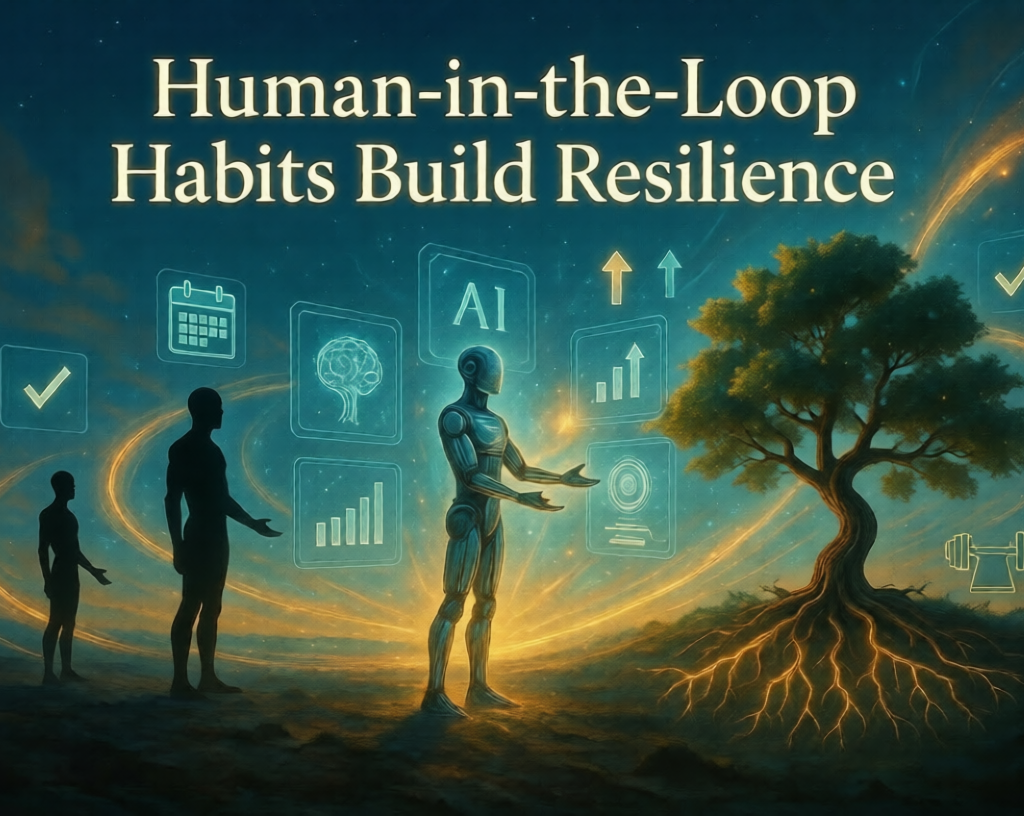
Human-in-the-Loop simply means intentionally pausing to insert conscious human judgment between an emotional trigger and your final reaction. Think of your raw emotions as raw data. If you let that data run your life automatically, you will likely make mistakes. By keeping your conscious mind actively engaged in the loop, you evaluate your feelings critically. You review the situation, consider the context, and choose an insightful response. Technology and automation might optimize our schedules, but technology alone cannot replace emotional intelligence. Our capacity for empathy, complex reasoning, and ethical judgment requires a dependable Human-in-the-Loop approach to navigate the nuances of human interaction successfully.
Internal Link Recommendation: Explore more about mastering emotional intelligence in our Personal Development section on Kritiinfo.com.
8 Powerful Human-in-the-Loop Practices
You can actively build your emotional strength by integrating these eight strategic practices into your daily life.
1. Develop Deep Self Awareness
The foundation of any meaningful change is self awareness. You cannot manage what you do not understand. Start by observing your emotional triggers without judgment. When you feel a surge of anger or anxiety, pause. This conscious pause is your Human-in-the-Loop moment. It allows you to identify the root cause of your emotion, paving the way for authentic growth and better decision making.
2. Master Emotional Regulation
Once you recognize your emotions, you must learn to regulate them. This does not mean shutting your feelings down. Instead it means exploring them safely. Deep breathing, mindfulness, and taking a brief walk are all proven techniques to calm your nervous system. By regulating your physical response, you boost your ability to handle complex problems with a clear and professional mindset.
3. Practice Reflective Decision Making
Reacting instantly often leads to regret. Cultivate the habit of reflective decision making. When faced with a critical choice, give yourself a mandatory waiting period. Even a ten minute delay allows you to transition from a reactive state to a strategic state. This deliberate Human-in-the-Loop practice ensures your actions align with your long term goals and core values.
4. Build a Reliable Support Network
No one achieves true success in isolation. A trusted support network provides critical external feedback. When you are too close to a problem, colleagues, mentors, or friends can offer a verified and objective perspective. Fostering these connections creates a profound sense of belonging and provides a safety net during challenging times.
5. Cultivate a Growth Mindset
According to research by Stanford University, individuals with a growth mindset believe their talents can be developed through hard work and dedication. Embrace challenges as vital learning opportunities. When you view failures as temporary, you unlock the motivation and determination necessary to accelerate your personal and professional development.
6. Learn from Inevitable Setbacks
Resilient people do not avoid failure, they study it. After a setback, conduct a realistic review of what went wrong. Ask yourself what you can improve next time. This resilient approach turns painful experiences into valuable lessons, transforming temporary defeat into future achievement.
Table of Contents
7. Maintain Continuous Improvement Habits
Emotional resilience requires consistent effort. Implement daily routines that strengthen your mental health. Journaling, reading, and engaging in physical exercise are practical habits that build lasting endurance. Consistent action compounds over time, creating a robust foundation of dependable strength.
8. Embrace Empathy and Compassion
Finally, practice empathy toward yourself and others. A rigid mindset breaks under pressure, but a compassionate mindset flexes and adapts. By showing yourself grace during difficult times, you build the internal joy and fulfillment necessary to sustain long term emotional resilience.
Case Study: Turning Uncertainty into Success
The Challenge: Consider the story of David, a mid level marketing director navigating a massive corporate restructuring. Rumors of layoffs created a toxic environment of fear. David found his anxiety skyrocketing. His initial reaction was to work frantically late into the night, operating entirely on stressed autopilot.
The Strategy: Realizing this approach was unsustainable, David decided to implement Human-in-the-Loop practices to regain control of his professional life.
Actions Taken: Instead of reacting blindly to every alarming email, David instituted a mandatory pause before responding. He actively managed his emotional regulation by stepping away from his desk when feeling overwhelmed. He also scheduled weekly meetings with a trusted mentor to gain objective, credible feedback on his performance and the broader company landscape.
The Results: By remaining conscious and deliberate, David reduced his stress levels significantly. His calm demeanor stood out to senior leadership amidst the surrounding panic. Ultimately he was not only retained but promoted to lead a new transitional team.
Key Lessons: David discovered that by inserting his conscious judgment into his emotional responses, he could transform overwhelming anxiety into strategic leadership. His journey proves that intentional pauses and expert guidance yield meaningful career breakthroughs.
Expert Insights and Actionable Exercises
Global organizations like the World Health Organization highlight the importance of mental wellness in the modern workplace. To build your resilience, experts recommend highly actionable exercises.
Try the STOP technique today. When you feel triggered, follow these simple steps.
- Stop what you are doing.
- Take a deep breath.
- Observe your thoughts and feelings.
- Proceed intentionally.
This framework is a perfect example of a Human-in-the-Loop strategy. It shifts your brain from automatic defense mode to conscious engagement. Furthermore, we highly recommend keeping a daily success journal. Documenting three small wins every day builds your optimism and provides concrete evidence of your ongoing growth.
Common Mistakes to Avoid
A frequent mistake people make is falling into the trap of toxic positivity. Believing you must be happy all the time is neither realistic nor healthy. Suppressing negative emotions only causes them to build up and eventually explode.
Another major error is completely isolating yourself when stressed. Ignoring data and refusing help leads to poor decision making. A strong Human-in-the-Loop approach inherently avoids these pitfalls because it requires you to actively monitor your feelings and actively seek out credible information. By acknowledging reality and utilizing trusted support systems, you navigate challenges with authentic strength rather than fragile denial.
Future Outlook in the Workplace
As artificial intelligence continues to reshape our professional landscape, the nature of work is evolving rapidly. Routine tasks are becoming automated, leaving complex problem solving, leadership, and emotional intelligence as the most valuable human skills. McKinsey & Company research suggests that social and emotional skills will see a massive increase in demand over the next decade.
In an AI enhanced workplace, relying solely on algorithms to manage human teams will inevitably fail. Therefore, Human-in-the-Loop approaches will become increasingly essential. Leaders who can regulate their emotions, understand the nuances of human behavior, and make empathetic decisions will be the most respected and successful professionals in the future of work.
Internal Link Recommendation: Read our latest insights on the Future of Work and Leadership to stay ahead of workplace trends.
Conclusion
Building emotional resilience is not a destination but a continuous, rewarding journey. By understanding the core mechanics of your emotions and implementing intentional pauses, you take control of your life narrative. The 8 practices we explored provide a reliable framework to elevate your mental fortitude.
Remember that keeping a Human-in-the-Loop mindset means you are the active driver of your choices, never a passive passenger to your stress. Embrace this transformative concept today. Start applying these strategies, unlock your true potential, and experience the profound relief and empowerment that comes from mastering your emotional world. Keep visiting Kritiinfo.com for more valuable insights designed to accelerate your personal and professional growth.
Frequently Asked Questions
What is emotional resilience? Emotional resilience is the ability to adapt to stressful situations, overcome adversity, and bounce back from difficult experiences. It involves maintaining optimism and strength while working through negative emotions.
Why is Human-in-the-Loop important for emotional growth? Human-in-the-Loop is important because it prevents you from acting on impulse or emotional autopilot. By consciously inserting your human judgment into a situation, you evaluate your feelings and make strategic, meaningful choices.
How can I become emotionally resilient? You can become emotionally resilient by developing self awareness, practicing emotional regulation, building a supportive network, and cultivating a growth mindset. Consistent effort and intentional daily habits are key.
Can emotional resilience be learned? Yes. Extensive research shows that resilience is not a fixed genetic trait. It is a set of verifiable behaviors and thought patterns that anyone can learn, practice, and master over time.
What are the benefits of emotional resilience? The benefits include reduced stress, improved mental health, greater career success, deeper relationships, and a profound sense of confidence. It empowers you to face life with courage rather than fear.
How does Human-in-the-Loop improve decision making? By enforcing a deliberate pause between an event and your reaction, a Human-in-the-Loop approach allows you to gather facts, consult your core values, and respond logically rather than reacting purely out of panic.
What habits strengthen emotional resilience? Practical habits include daily mindfulness, regular physical exercise, journaling, seeking constructive feedback, and consciously reframing negative thoughts into actionable learning opportunities.
How long does it take to build emotional resilience? Building resilience is an ongoing process. While you can experience immediate relief by applying simple pausing techniques today, developing deep, sustainable emotional strength is a lifelong journey of continuous improvement.
1 thought on “How 8 Powerful Human-in-the-Loop Habits Build Resilience”